Selling Your Original Artwork
Understanding Art Market Dynamics
The New Art Marketplace
For centuries, the path for a professional artist was clear: get representation at an art gallery. Galleries acted as the gatekeepers and tastemakers of the art world. They discovered talent, curated shows, and connected artists with wealthy collectors. In exchange, they took a significant commission, often 50% of the sale price.
This model still exists, but it's no longer the only way. The internet has fundamentally changed the landscape, creating a major shift toward direct-to-consumer sales. Artists are increasingly becoming entrepreneurs, taking control of their careers by selling their work straight to buyers.
Artists now have many opportunities to sell their work directly to buyers or through hundreds of convenient online marketplaces that take much less commission (more like 10-35%).
This isn't just a small trend; it's a structural change in how art is bought and sold. It empowers artists and gives buyers more direct access to the work they love.
Why Go Direct?
Selling directly offers artists several powerful advantages. The most obvious is financial. By cutting out the middleman, artists retain a much larger portion of the profit from their work. Instead of splitting a sale 50/50 with a gallery, they might only pay a small transaction fee to an online platform.
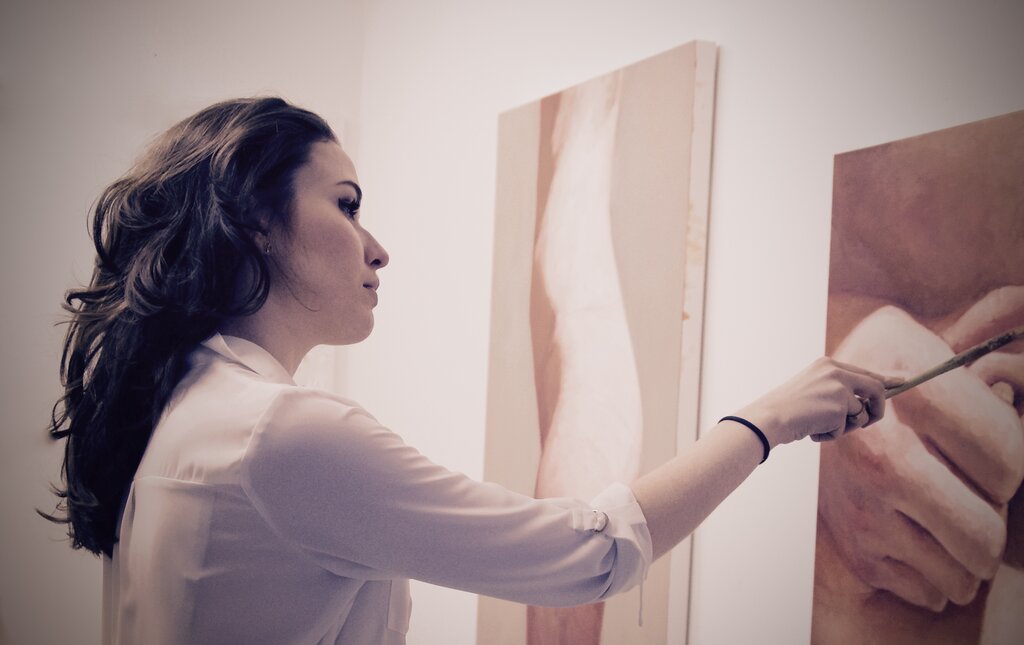
Beyond money, artists gain complete control over their brand. They decide how their work is presented, what stories are told about it, and at what price it's offered. There's no gallery director influencing their artistic direction or marketing strategy. This autonomy allows for a more authentic and personal connection between the creator and their audience.
Finally, selling direct means building real relationships with collectors. Artists can interact with buyers, understand what resonates with them, and build a loyal community around their work. This direct feedback loop can be invaluable for an artist's growth and motivation.
The Role of Online Platforms
Online platforms are the engine driving this shift. An artist's personal website, Instagram profile, or Etsy shop can function as their own global art gallery, open 24/7. These digital spaces allow artists to showcase their entire portfolio, share their creative process, and handle transactions from anywhere in the world.
However, simply having an online shop isn't enough. The key is building an authentic online presence. This goes beyond just posting pictures of finished art. It involves sharing the behind-the-scenes process, talking about inspirations, and engaging in genuine conversations with followers. Collectors today don't just buy a piece of art; they invest in the artist's story and vision. An authentic online presence is how that story is told.
An online presence allows collectors to connect with the artist, not just the art. This connection builds trust and loyalty, turning one-time buyers into long-term patrons.
Ready to check your understanding?
What is the primary financial advantage for artists who sell their work directly to consumers instead of through traditional galleries?
Besides financial gain, what is a key advantage for artists selling directly to buyers?
By understanding these dynamics, both artists and collectors can navigate the modern art world with more confidence and success.