Selling Supabase Enterprise Solutions for AI
PostgreSQL vs NoSQL
The Right Foundation for AI
Choosing a database for an AI application is like choosing the foundation for a skyscraper. A flexible, quick-to-build foundation might work for a small structure, but for something built to last and handle complex loads, you need something rigorously engineered. For many startups, the quick, flexible option is a NoSQL database like Firebase. It's great for getting a product out the door. But when the product involves serious AI, that flexibility can become a liability.
Enterprise AI applications thrive on high-quality, structured, and reliable data. The relationships between data points are often just as important as the data itself. This is where relational databases, specifically PostgreSQL, show their strength. Let's break down the core differences.
PostgreSQL represents a different philosophy in database design, prioritizing advanced features and query optimization sophistication over raw simplicity.
Two Ways to Store Data
At the heart of the debate is how data is structured. Relational databases like PostgreSQL enforce a strict schema, organising data into tables with predefined columns and data types. Think of it like a meticulously organised spreadsheet where every row must conform to the column headers. This rigidity is a feature, not a bug. It guarantees that the data is consistent and predictable.
NoSQL databases, on the other hand, are often schema-less. They typically use a document-based model, storing data in formats like JSON. Think of it as a folder full of individual documents; each document can have its own unique structure. This offers great flexibility for rapid development, but can lead to inconsistencies as an application scales.
| Feature | PostgreSQL (Relational) | NoSQL (e.g., Firebase) |
|---|---|---|
| Structure | Tables with rows & columns | Collections of documents (JSON-like) |
| Schema | Rigid, defined upfront | Flexible, dynamic |
| Relationships | Managed via joins | Often requires data duplication |
| Best For | Complex queries, data integrity | Rapid prototyping, unstructured data |
Data Integrity and the AI Challenge
For an AI model, data is everything. The quality of its training data directly determines the quality of its output. Inconsistent, corrupt, or incomplete data leads to unreliable models. This is why the concept of is so critical for AI applications.
PostgreSQL is fully ACID compliant. When you update a user's profile and their purchase history in a single transaction, you can be certain that either both updates succeed or neither do. This guarantee is fundamental for maintaining the clean, trustworthy data that AI models need for training and fine-tuning. Many NoSQL databases offer more relaxed consistency models in favour of performance and availability, which can be risky for data-sensitive AI workloads.
Garbage in, garbage out. An AI model trained on inconsistent data will produce unreliable, and potentially harmful, results.
Avoiding the 'NoSQL Trap'
Many startups begin with a NoSQL database because it allows them to build quickly without worrying about schema design. This is the 'NoSQL Trap'. While it accelerates initial development, it often leads to significant technical debt as the application grows more complex.
Imagine building an AI-powered e-commerce platform. You need to model relationships between users, products, orders, reviews, and support tickets. In PostgreSQL, you can query across all these tables efficiently using joins. In a document database, you might have to duplicate product information within each order, or user information within each review. Updating this duplicated data becomes a complex and error-prone task. What happens if a product's price changes? You'd have to find and update every single order document that contains that product.
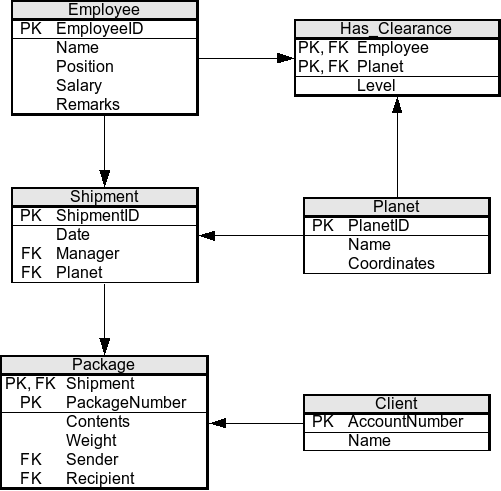
PostgreSQL's relational nature and its extensibility make it ideal for long-term growth. As your AI needs evolve, you can add new tables and define new relationships without breaking your existing data structure. Platforms like leverage this power, providing the scalability of a modern backend service with the reliability of a battle-tested relational database. This combination allows developers to build sophisticated, data-intensive AI applications on a foundation that won't crumble under the weight of its own complexity.
What is a primary advantage of using a relational database like PostgreSQL for an AI application, according to the text?
Why is ACID compliance considered critical for the data used in AI applications?
Ultimately, the choice of database shapes what's possible for your application. For enterprise AI, where data integrity and complex relationships are paramount, the structured, reliable world of PostgreSQL provides a far more scalable and robust foundation than the flexible, but potentially chaotic, world of NoSQL.