Selling Fixed Income to US Retail Investors
Fixed-Income Securities
The Predictable Path of Fixed Income
Imagine lending money to a friend. They promise to pay you back a certain amount on a specific date, and maybe they even offer to pay you a little extra for the favor. Fixed-income securities work in a similar way, but on a much larger scale. You are the lender, and a government or a large corporation is the borrower.
fixed-income security
noun
An investment that provides a return in the form of fixed periodic payments and the eventual return of principal at maturity.
These investments are called "fixed income" because you know ahead of time what your income from them will be. The borrower agrees to a set schedule of interest payments. This predictability makes them a cornerstone for many investment strategies. While there are several types, the most common and well-known fixed-income security is the bond.
A World of Bonds
A bond is essentially a formal IOU. When you buy a bond, you are lending money to the issuer. In return, they promise to pay you periodic interest payments, known as coupons, and then return the original amount of the loan, called the principal or face value, on a specific future date.
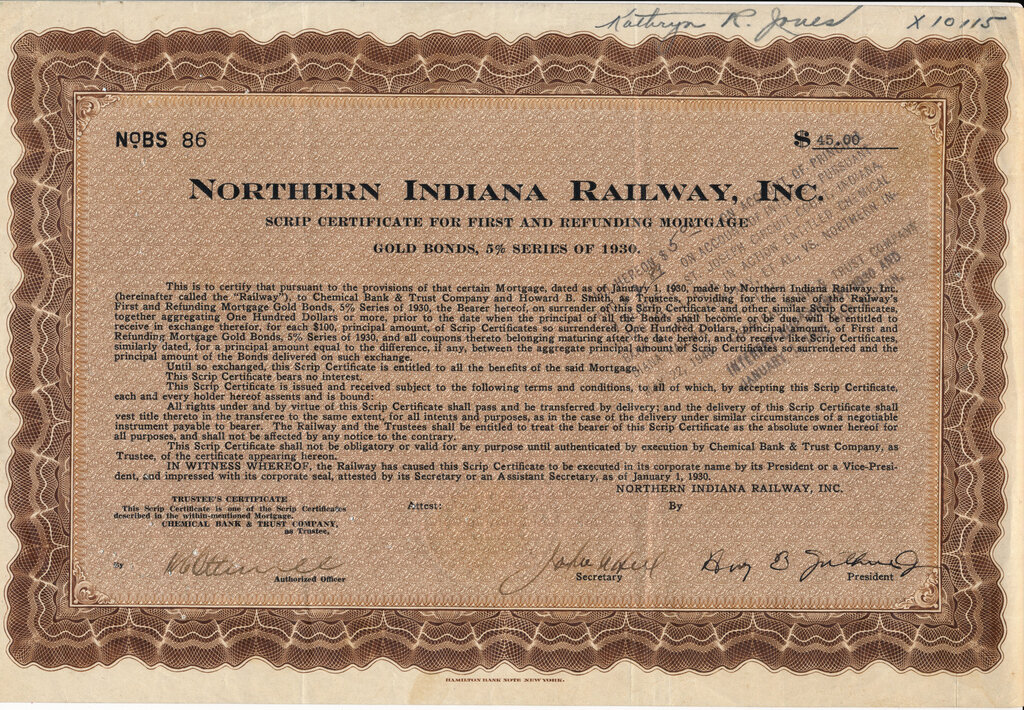
Bonds are issued by different entities, each with a different level of risk and purpose.
-
Governments issue bonds to fund public projects like roads, schools, and infrastructure. In the U.S., these are called Treasury securities (or T-bonds, T-notes, and T-bills) and are considered among the safest investments in the world because they are backed by the full faith and credit of the government.
-
Corporations issue bonds to raise money for business expansion, research, or other operational needs. These are called corporate bonds. Their safety depends entirely on the financial health and creditworthiness of the company.
-
Municipalities (states, cities, and counties) issue municipal bonds, often called "munis," to finance local projects. Their income is often exempt from federal taxes.
Essentially, a bond is a three-part promise: the issuer will pay you a fixed interest rate (the coupon) over a set period, and then return your initial investment (the principal) on the maturity date.
Yield: The Real Return
While the coupon rate tells you the fixed interest payment, it doesn't tell you the whole story of your return. The price of a bond can change in the open market after it's issued. This is where the concept of yield comes in.
yield
noun
The total return an investor receives from a bond, expressed as an annual percentage rate.
Think of it this way. You buy a $1,000 bond with a 5% coupon rate. That means it pays $50 per year. If you buy that bond for exactly $1,000, your yield is 5%. But what if you were able to buy it for only $950? You still receive the same $50 coupon payment. Your yield is now higher than 5% because your return ($50) is calculated on a smaller initial investment ($950).
Conversely, if you paid $1,050 for the same bond, your yield would be lower than 5%. Yield gives you a more accurate picture of your potential earnings from a bond based on what you actually paid for it.
Fixed-income securities are a key diversification tool.
This leads to their primary role in a portfolio: stability and diversification. Because their returns are not directly tied to the stock market's performance, bonds often move in the opposite direction of stocks. When stocks are down, the stable, predictable income from bonds can help cushion the overall portfolio. This balance makes fixed-income securities a valuable component for managing risk.
Time to check what you've learned.
What is the primary characteristic of a fixed-income security?
Which type of bond is generally considered to have the lowest credit risk?