Selling Digital Courses Online
Identifying Your Course Topic
Finding Your Course Topic
The perfect course topic isn't just something you know a lot about. It's the sweet spot where your passion, your expertise, and a real market need all overlap. Let's break down how to find that intersection.
The perfect course topic sits at the intersection of your skills and a real market need.
Think of it as a three-part puzzle. First, what do you love talking about? What subjects make you lose track of time? This is your passion. It's the fuel that will keep you going when creating the course gets tough.
Second, what are you genuinely good at? This is your expertise. It doesn't mean you need a PhD. It could be a skill you've honed through a job, a hobby you've mastered over years, or a problem you successfully solved in your own life. Your expertise is what gives you the credibility to teach.
Finally, what are people willing to pay to learn? This is the market need. Passion and expertise are great, but without an audience eager to learn, your course won't find its students.
Is Anyone Looking for This?
Once you have a few ideas that feel right, it's time to play detective. You need to confirm that other people are actively searching for solutions your course could provide. This is market research, and it's less complicated than it sounds.
Your goal isn't to find a topic with zero competition. Competition is often a sign that a market exists and people are spending money in it.
Start by searching for your topic on platforms where people already buy courses, like Udemy or Skillshare. Look at the existing courses. How many are there? How many students have enrolled? Read the reviews, both good and bad. The negative reviews are pure gold; they tell you exactly what the market wants that it isn't getting.
Next, head to Google and YouTube. Type in questions related to your course idea. What videos and articles pop up? Pay attention to the questions people ask in the comments sections. These are the specific problems your course can solve. Tools like Google Trends can also show you if interest in your topic is growing or shrinking over time.
Finally, analyze your potential competitors. Don't just look at what they teach, but how they teach it. What makes their course unique? Maybe they have a great community, amazing worksheets, or a funny teaching style. Your job isn't to copy them, but to find your own unique angle. Can you serve a more specific niche? Can you explain the concepts more clearly? Can you offer more hands-on projects? This is how you'll stand out.
Test Before You Build
You've found a topic you're passionate about, you have the expertise, and your research shows there's a hungry market. The last step before you start building is to validate your idea with your target audience directly.
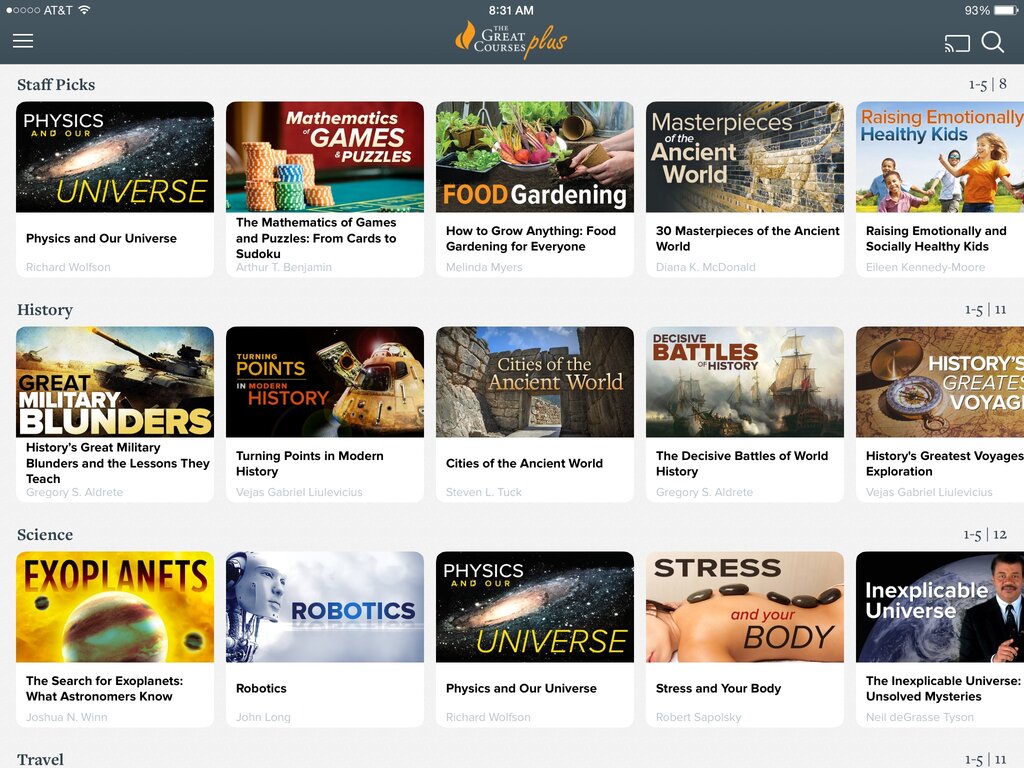
Digging into the data and testing your course idea before you are ready to offer it to potential learners is vital.
Validation can be simple. You don't need to build the whole course to see if people want it.
One effective method is to create a simple survey using a tool like Google Forms. Share it in online communities or with your email list. Ask people about their biggest struggles with your topic. Ask what they've tried already and what they wish they had to help them succeed. You can even list a few potential course outlines and ask which one they'd be most interested in.
Another great strategy is to create a small piece of pilot content. This could be a free webinar, a short email course, or a detailed PDF guide related to your main course topic. Offer it to your audience. If lots of people sign up and give you positive feedback, that's a strong signal that you're on the right track.
Time to see what you've learned.
What are the three essential components that intersect to form the ideal course topic?
When researching existing courses on platforms like Udemy, what is considered the "pure gold" for identifying market gaps?
By following these steps, you move from a vague idea to a validated course topic that you're excited to create and your audience is eager to buy.