Self Healing Concrete
Introduction to Concrete
What Is Concrete?
Concrete is the most widely used human-made material on the planet. It's the foundation of our cities, the structure of our homes, and the framework for our bridges. At its core, concrete is a simple mixture, but its impact is monumental.
Concrete is a composite material composed of aggregate bonded together with a fluid cement which hardens over time.
Think of it like baking a cake. You have flour, sugar, and eggs that, when mixed and heated, create something entirely new. Concrete works similarly, but its ingredients are a bit different, and the 'baking' is a chemical process called hydration.
While we think of concrete as modern, its roots go back thousands of years. Ancient Romans were masters of concrete, using a mix of volcanic ash, lime, and seawater to build structures that still stand today, like the magnificent Pantheon in Rome. Its massive, unreinforced concrete dome has survived for nearly two millennia.
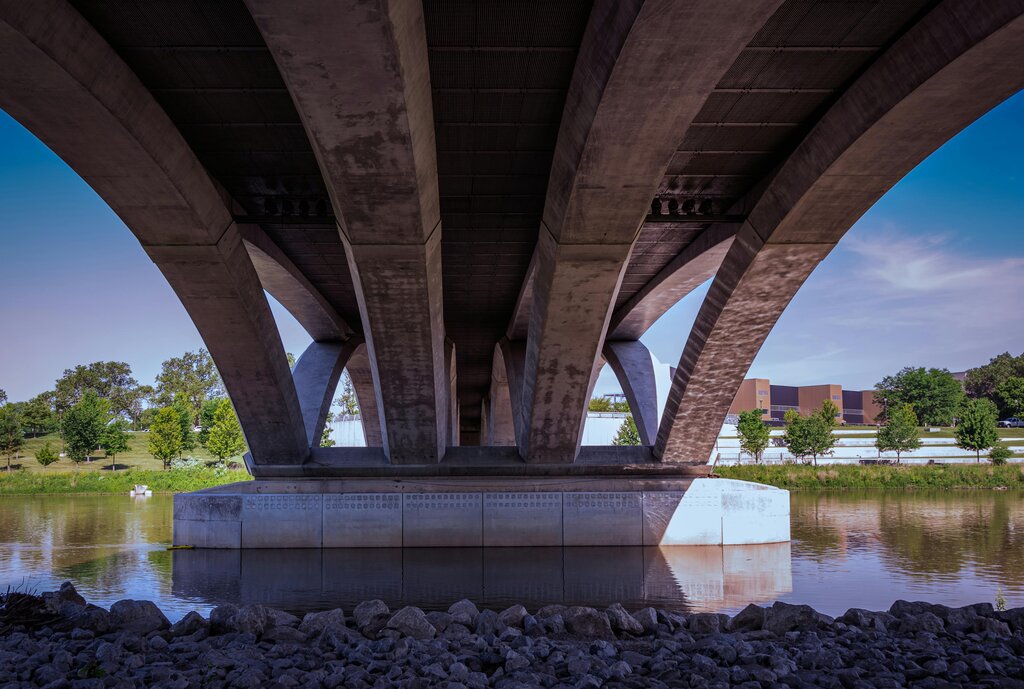
The Three Key Ingredients
Modern concrete is typically made from three basic components: cement, aggregates, and water. The proportions of these ingredients are carefully controlled to achieve the desired properties for a specific job.
1. Cement This is the magic ingredient. Cement is a fine powder that, when mixed with water, acts as the binding agent or glue. The most common type is Portland cement, which is made by heating limestone and clay in a kiln.
Portland cement is the basic ingredient of concrete.
2. Aggregates These are the fillers. Aggregates are granular materials like sand, gravel, or crushed stone. They make up the bulk of the concrete mixture, typically 60-75% of its volume. They give the concrete mass, stability, and strength.
3. Water Water is the catalyst. It triggers a chemical reaction with the cement, a process called hydration. This reaction forms crystals that grow and interlock, binding the aggregates together into a rock-hard mass. The amount of water is crucial; too much can weaken the concrete, while too little can make it unworkable.
More Than Just Hard Stuff
We know concrete is strong, but engineers think about its properties in more specific ways. The three most important are workability, strength, and durability.
Workability
noun
The ease with which fresh concrete can be mixed, placed, consolidated, and finished with minimal loss of homogeneity.
Workability describes how fluid the wet concrete mixture is. A high-workability mix flows easily into complex forms, while a low-workability mix is stiff. The goal is to find the right balance for the job.
Strength is what concrete is famous for. It has incredible compressive strength, meaning it's very difficult to crush. However, it has poor tensile strength—it doesn't resist being pulled apart very well. To fix this, builders embed steel reinforcing bars (rebar) inside the concrete, creating reinforced concrete. The steel handles the pulling forces, while the concrete resists the crushing forces.
Finally, durability is a measure of how well concrete resists weathering, chemical attack, and general wear and tear over time. A durable concrete structure can last for decades or even centuries with minimal maintenance.
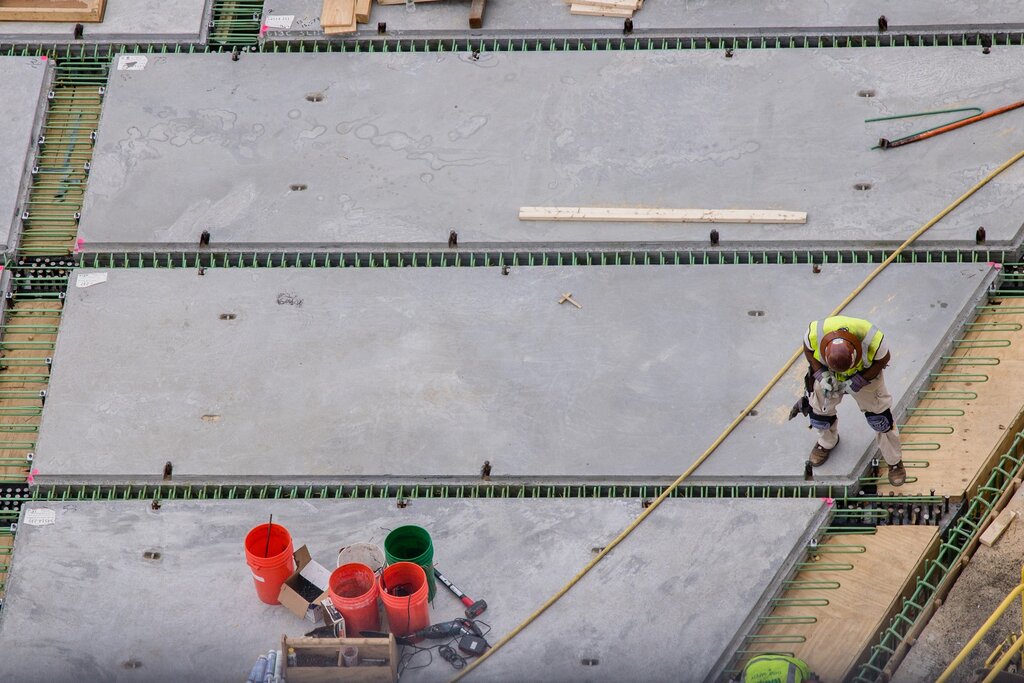
Building the World
Once you know what to look for, you'll see concrete everywhere. It's used for far more than just sidewalks.
Concrete forms the foundations of our houses and skyscrapers. It’s used to build dams that hold back immense amounts of water and bridges that span vast rivers. Our roads, airport runways, and sewer pipes are all typically made from this versatile material.
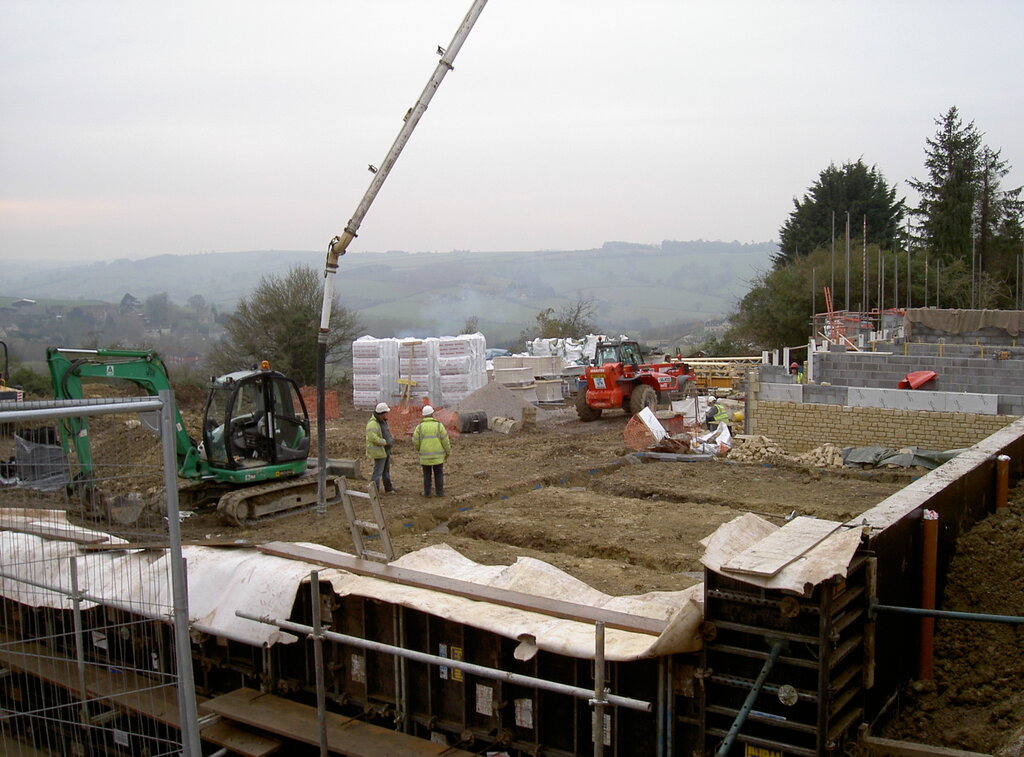
Its ability to be poured into any shape makes it incredibly flexible for architects and engineers. From massive, brutalist structures to delicate, curved facades, concrete makes a wide range of designs possible.
Now, let's test your knowledge of concrete's fundamentals.
What are the three fundamental components of modern concrete?
What is the name of the chemical reaction between water and cement that causes concrete to harden?
Understanding these basics is the first step. By knowing what concrete is made of and what makes it so useful, you have the foundation to explore more advanced ideas in material science.