Self-Determination Theory Explained
Introduction to Self-Determination Theory
What Drives Us?
Why do we do the things we do? What pushes us to learn a new skill, help a stranger, or work hard on a project? For a long time, the common answer was simple: rewards and punishments. We work for a paycheck and avoid breaking rules to stay out of trouble. But this view is incomplete. It doesn't explain why we pursue hobbies, volunteer for causes we believe in, or feel a deep sense of satisfaction from a job well done, even when no one is watching.
This is where Self-Determination Theory (SDT) comes in. Developed by psychologists Edward Deci and Richard Ryan, SDT is a powerful framework for understanding human motivation. It proposes that our drive comes from a deeper, more internal place.
Self-Determination Theory, developed by Edward Deci and Richard Ryan, emphasizes the importance of intrinsic motivation and autonomy in driving human behavior.
The Three Core Needs
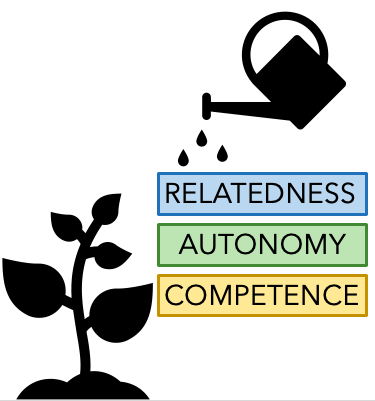
At the heart of SDT is a simple but profound idea: all human beings, regardless of culture or background, have three innate psychological needs. Just like a plant needs sunlight, water, and soil to grow, we need to satisfy these core needs to thrive, grow, and feel motivated.
These three needs are:
-
Autonomy: The need to feel in control of your own behaviors and goals. It’s the sense that you are acting in harmony with your own self, rather than being controlled by external forces.
-
Competence: The need to feel effective in dealing with your environment. It’s about building mastery and feeling capable of tackling challenges.
-
Relatedness: The need to have close, affectionate relationships with others. It’s our universal desire to interact, be connected to, and care for other people.
At its core, self-determination theory identifies three essential psychological needs: autonomy, competence, and relatedness.
When these needs are satisfied, we feel more motivated, perform better, and experience greater psychological health. Our curiosity and desire to learn flourish. When they are thwarted, our motivation and well-being suffer. Understanding these three needs is the first step to understanding what truly drives us.
Now that we've introduced the theory, let's test your understanding of these core concepts.
According to Self-Determination Theory, what are the three innate psychological needs essential for human motivation and well-being?
A software developer spends her weekend learning a new programming language, not for a promotion, but because she enjoys the challenge and the feeling of mastering a new skill. Which psychological need is most directly being satisfied?
In the next sections, we'll dive deeper into each of these three fundamental needs.