Selective Breeding Explained
Introduction to Selective Breeding
Choosing the Best Traits
For thousands of years, humans have been quietly shaping the living world around them. This isn't just about building cities or farming land. It's about influencing the very nature of other species, from the food we eat to the animals we keep as companions. The process is called selective breeding, or artificial selection.
Artificial selection or selective breeding is when people select which organisms reproduce.
At its core, selective breeding is straightforward. Humans choose individual plants or animals with desirable traits and breed them together. The hope is that their offspring will inherit and even enhance those same traits. This relies on a fundamental principle of life: heredity.
heredity
noun
The passing on of physical or mental characteristics genetically from one generation to another.
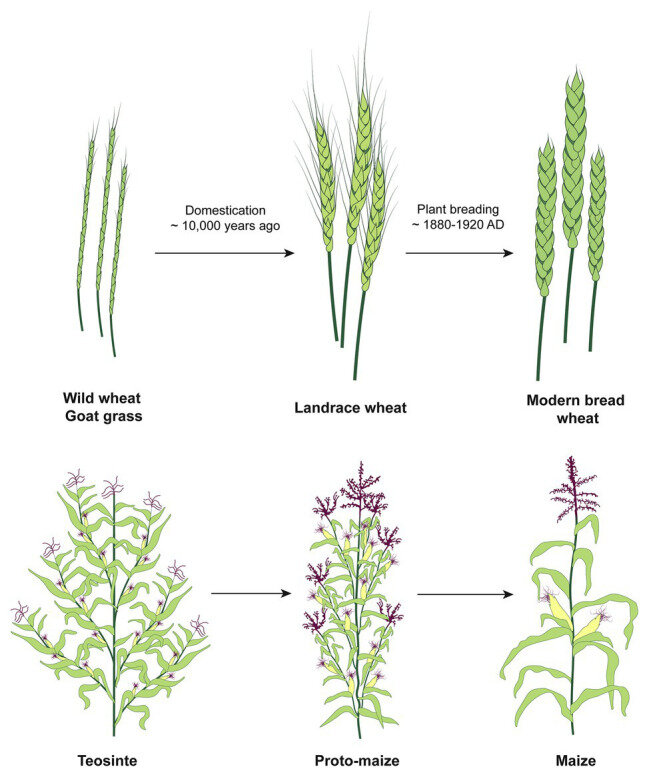
Think of it like this: if you have a field of corn and a few plants happen to produce larger, sweeter kernels, you would save seeds from only those superior plants to sow next year. Over many generations of repeating this process, the entire crop gradually shifts to have larger, sweeter kernels. You are selecting for a specific outcome.
Nature vs. Nurture
This process might sound a lot like natural selection, but there's a key difference. In natural selection, the environment is the filter. Traits that help an organism survive and reproduce in its natural habitat are more likely to be passed on. A wolf with thicker fur might survive a harsh winter better, and a faster gazelle is more likely to escape a predator. The “selection” is done by environmental pressures.
In natural selection, survival and reproduction are the goals. In artificial selection, human desire is the goal.
With artificial selection, humans replace nature as the selective force. We decide which traits are
best, not based on survival, but on our own needs and preferences. A chicken that lays more eggs is valuable to a farmer, even if that trait offers no advantage in the wild. A dog with a friendly temperament makes a better pet, regardless of its hunting skills.
| Feature | Natural Selection | Artificial Selection |
|---|---|---|
| Selective Agent | Environment (predators, climate, etc.) | Humans |
| Goal | Survival and reproduction | Desired traits for human use |
| Speed | Very slow (many generations) | Relatively fast |
| Outcome | Adaptation to environment | Species suited to human needs |
A Brief History
Selective breeding isn't a modern invention. It's one of the oldest and most important human technologies, dating back to the dawn of agriculture about 10,000 years ago. Early farmers noticed that not all plants and animals were the same. Some wheat plants were easier to harvest, and some goats produced more milk.
By saving seeds from the best plants and breeding the most productive animals, they kickstarted the process of domestication. The wild, aggressive aurochs, an extinct species of large cattle, was slowly bred over centuries into the docile dairy and beef cows we know today. Similarly, the domestication of the wolf into the diverse breeds of dogs we have is a testament to the power of artificial selection. From a single ancestral species, we've bred dogs for herding (Border Collies), hunting (Beagles), and companionship (Pugs).
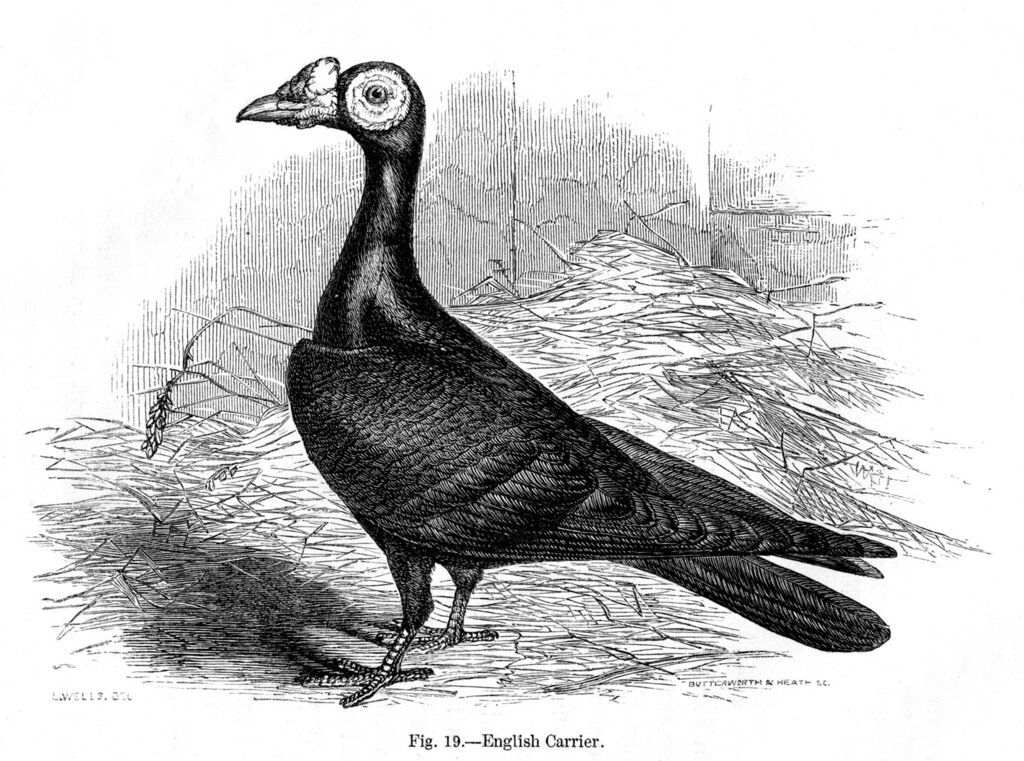
This process transformed human society, allowing us to produce more food, which in turn supported larger populations and the development of civilizations. Every fruit, vegetable, and farm animal you see today is a product of this long history of selective breeding.
Time to test your knowledge.
What is the primary goal of selective breeding, also known as artificial selection?
The key difference between natural selection and artificial selection is the 'selective force' that determines which traits are passed on.
Understanding these basic principles is the first step in exploring how humans have shaped the genetics of the world around us.