Selecting Your Brazilian Beach House Site
Understanding Brazilian Beach Cities
Brazil's Coastal Gems
Brazil's coastline stretches for nearly 7,500 kilometers, a vast expanse of sand and sea. The cities dotted along this coast are as diverse as the country itself. They range from sprawling urban centers humming with economic activity to tranquil colonial towns where time seems to slow down. Each offers a unique blend of culture, lifestyle, and opportunity.
Understanding this diversity is key. The choice between a global city with a beach and a quiet fishing village turned tourist haven is about more than just scenery. It's a decision about pace of life, access to amenities, and the overall atmosphere you want to embrace.
Urban Hubs by the Sea
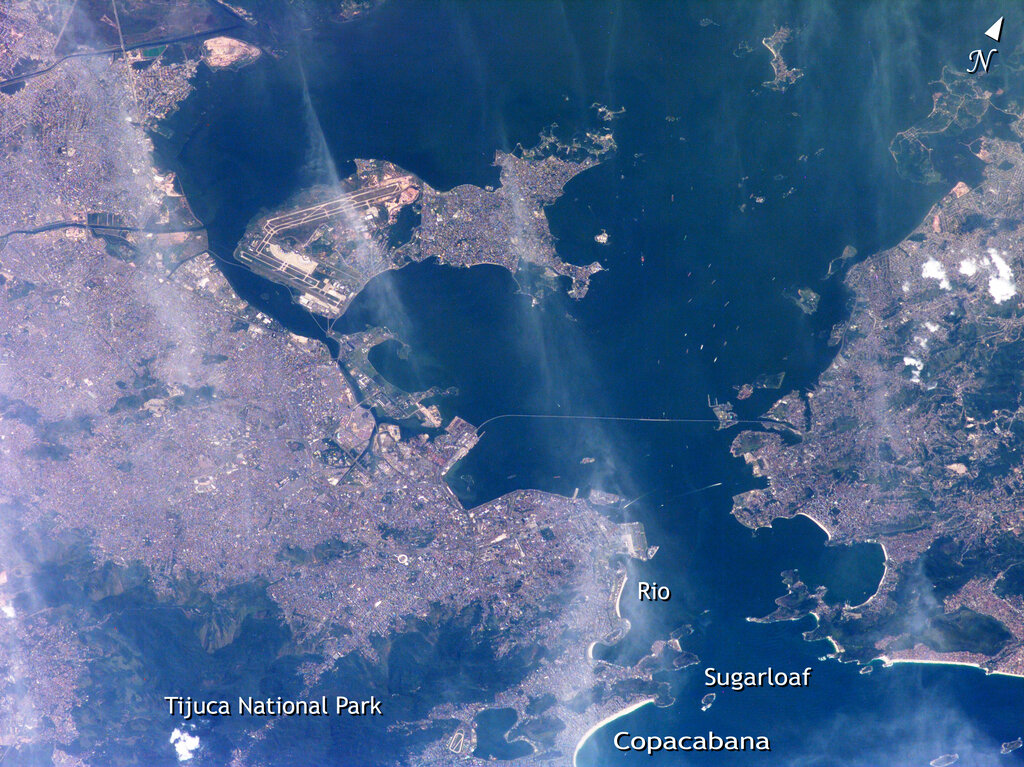
Some of Brazil's most important economic and cultural centers are coastal cities. Rio de Janeiro is the most famous example, a metropolis where iconic beaches like Copacabana and Ipanema are set against a backdrop of mountains and skyscrapers. These cities are magnets for commerce, art, and tourism, boasting international airports, extensive road networks, and world-class cultural institutions.
Life in these urban beach cities is fast-paced. They are the engines of regional economies, offering a mix of corporate headquarters, bustling ports, and vibrant service industries. The infrastructure is generally well-developed, providing reliable utilities and connectivity essential for both living and working.
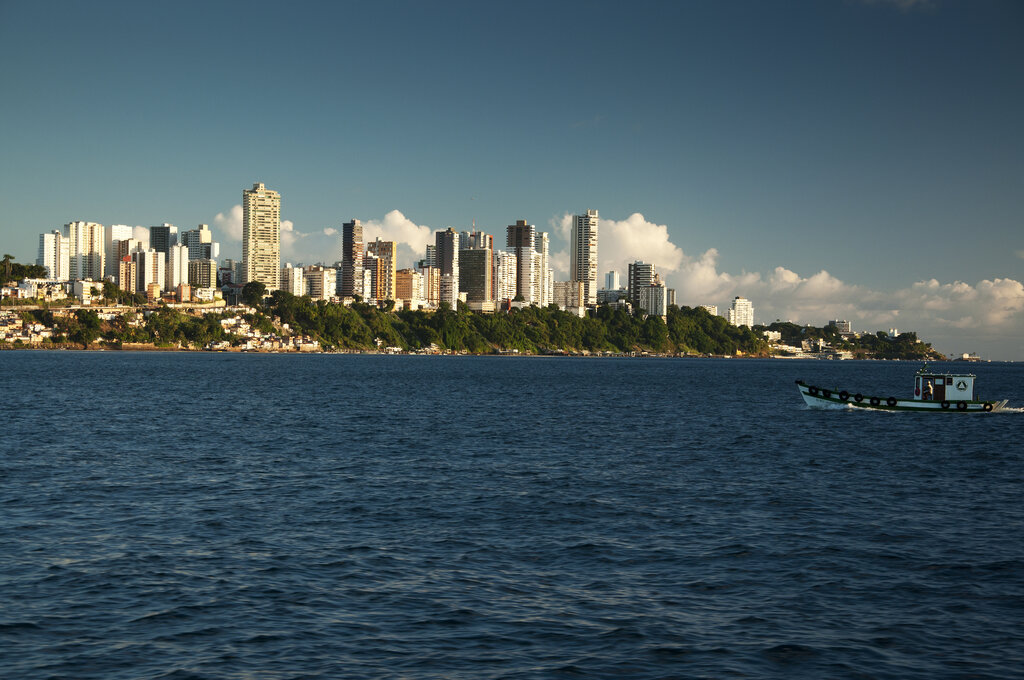
Salvador, in the state of Bahia, represents another type of major coastal hub. It blends the energy of a large city with a rich Afro-Brazilian heritage. Its economy is diverse, supported by tourism, trade, and industry. These cities offer the convenience of urban living right next to the ocean, a combination that many find irresistible.
Historic Towns and Quiet Retreats
Away from the major metropolitan areas, Brazil's coastline is dotted with smaller, historic towns that offer a completely different experience. Places like Paraty, a colonial port town in the state of Rio de Janeiro, are preserved gems. Cobblestone streets, colorful colonial architecture, and a slower pace of life define these locations.
Their economies often revolve around tourism, fishing, and local crafts. While beautiful and charming, their infrastructure can be simpler than that of the big cities. You might find fewer large-scale amenities, but in their place is a strong sense of community and a deep connection to history and nature.
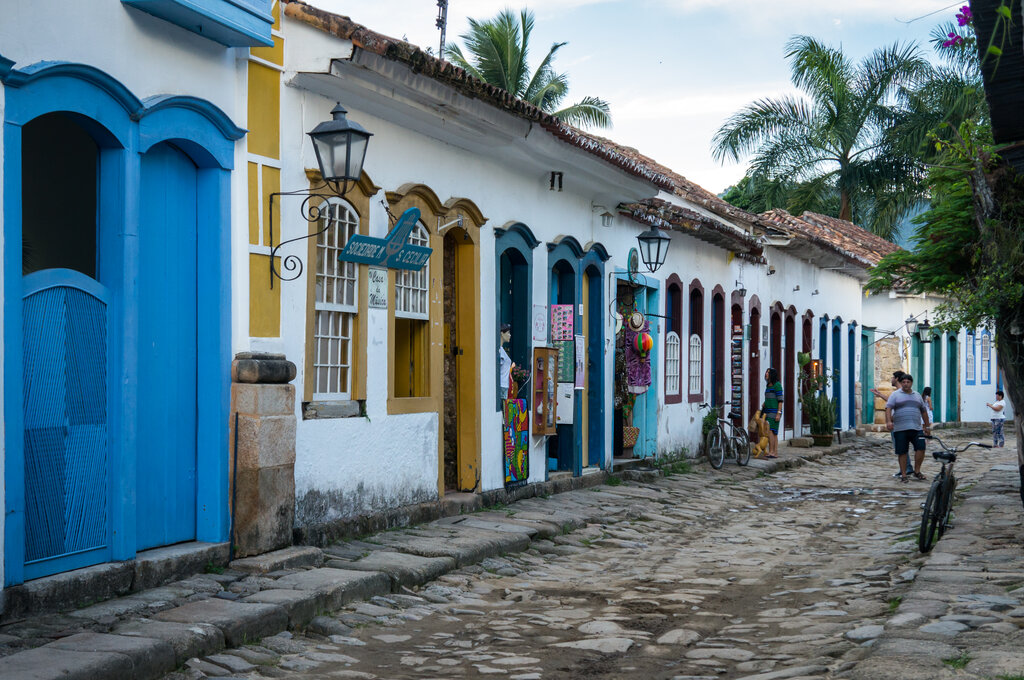
These towns appeal to those seeking tranquility and a break from urban intensity. Development is often more controlled, aiming to preserve the unique historical character. This creates a stable, charming environment but may also mean fewer modern conveniences are immediately available.
The choice of a coastal city often comes down to a trade-off: the vibrant energy and robust infrastructure of a large urban center versus the charm and tranquility of a smaller, historic town.
Growth and Opportunity
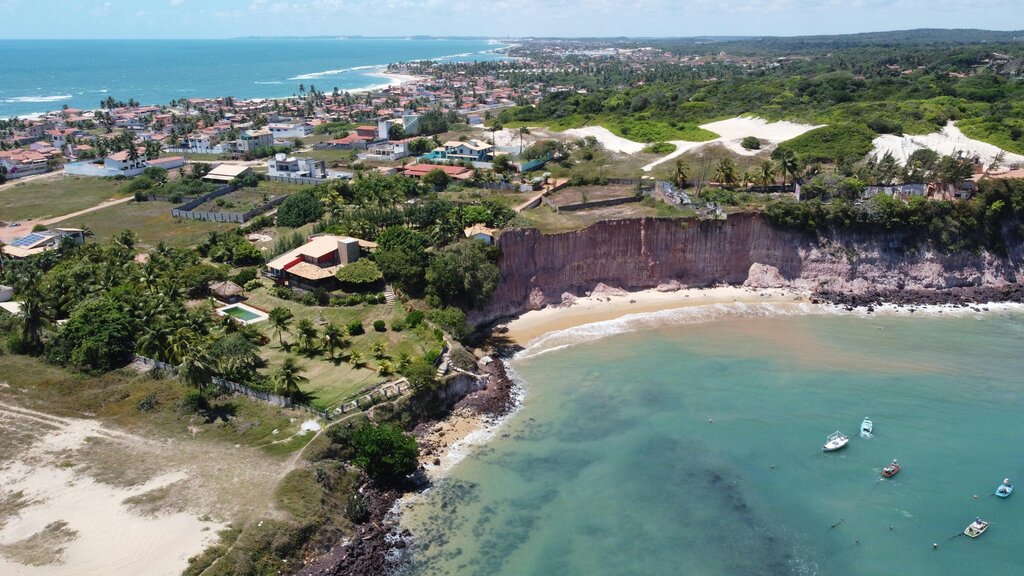
Many areas along the Brazilian coast are in a state of dynamic growth. The Northeast region, for example, has seen significant investment in tourism and infrastructure, turning once-sleepy villages into popular destinations. Cities like Fortaleza and Natal have grown rapidly, developing modern skylines and attracting both domestic and international visitors.
This development brings economic opportunities but also changes the character of a place. A growing city might offer new restaurants, better roads, and more reliable internet, but it may also experience more traffic and construction. Evaluating a city's development status means looking at its current state and its trajectory for the future. Is it an established, stable community, or is it in the midst of rapid expansion?
Now let's test your understanding of Brazil's diverse beach cities.
What is a primary characteristic of major Brazilian coastal cities like Rio de Janeiro and Salvador?
Which factor is most associated with smaller, historic coastal towns like Paraty?
Brazil's coastal cities each offer a unique combination of culture, economy, and lifestyle, providing a wide spectrum of options for residents and investors alike.