Seeking Hidden Treasures
Introduction to Islamic Spiritual Practices
The Heart of the Matter
In Islam, spirituality isn't a separate part of life reserved for special moments. It's a constant, conscious connection with God, woven into the fabric of every day. This connection is nurtured through both actions and, more importantly, the mindset behind them. Two ideas are central to this: intention and supplication.
The Power of Intention
Everything in Islamic practice begins with niyyah, or intention. It’s the silent declaration in your heart that clarifies why you are doing something. This simple concept is transformative. It can turn a mundane act, like eating a meal or going to work, into an act of worship.
Think about it this way: you can eat just to satisfy hunger. Or, you can eat with the intention of nourishing your body to have the strength to help others and fulfill your responsibilities. The act is the same, but the niyyah elevates it, giving it spiritual weight and purpose. Intention is what distinguishes a habit from a sincere act of devotion.
Niyyah
noun
The Islamic concept of intention. It is the prerequisite for any act of worship, determining the spiritual value and reward of an action.
A sincere intention turns an ordinary action into a meaningful act of worship.
A Direct Conversation
While Muslims perform a structured, ritual prayer (salah) five times a day, there is another, more personal form of communication with God called du'a. This is supplication—a heartfelt, direct conversation.

Du'a has no set time, language, or posture. It can be made for anything, from asking for guidance on a major life decision to seeking help finding your keys. It's about acknowledging your reliance on God, expressing gratitude, and sharing your hopes and fears. It is the most personal and direct channel of communication, a reminder that you are never alone.
Du'a
noun
A prayer of invocation, supplication, or request to God. Unlike formal ritual prayer (salah), du'a is a more personal and informal conversation.
Like any meaningful conversation, du'a is rooted in sincerity. It is the heart speaking directly to its Creator.
Practices for Spiritual Growth
Beyond prayer, Islam includes several core ritual practices designed to foster spiritual development. These aren't just rules to be followed; they are exercises for the soul. They provide a framework for building discipline, empathy, and a deeper awareness of God.
Practices like fasting during the month of Ramadan teach self-control and compassion for those who are hungry. Giving a portion of one's wealth to charity (zakat) purifies possessions and combats greed. And the pilgrimage to Mecca (hajj), for those who are able, is a powerful exercise in humility and unity, stripping away worldly status as millions gather as equals before God.
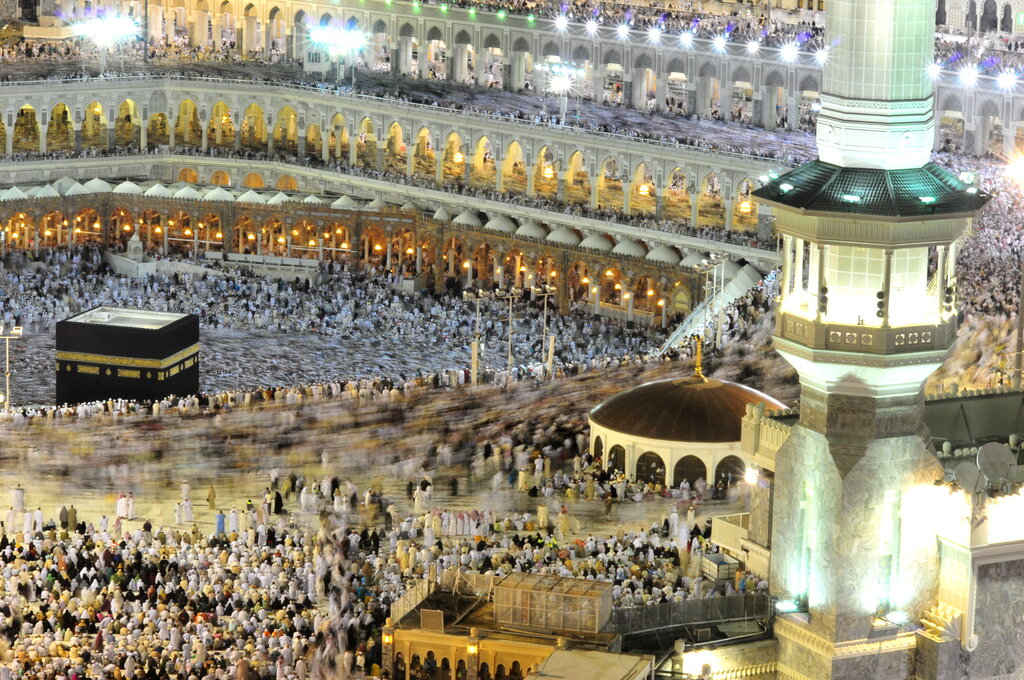
Each of these rituals begins with niyyah and is filled with moments for du'a. They are the practical tools Islam provides for a person to build and strengthen their spiritual connection throughout their life.
What is the primary role of niyyah (intention) in Islamic spirituality?
Which of the following is the best example of du'a (supplication)?