Seed Funding Pitch Deck Mastery
Understanding Pitch Decks
What's a Pitch Deck?
A pitch deck is a brief presentation that gives investors a quick overview of your business plan. Think of it as a movie trailer for your startup. It’s not the full movie, but it should be compelling enough to make someone want to see it. Its primary job is to spark interest and secure the next meeting, not to close the investment deal on the spot.
A seed pitch deck is a concise presentation, usually delivered in slide format, that showcases your startup’s early vision, traction, and fundraising needs.
Typically, a deck consists of 10 to 15 slides. It uses a mix of text, images, and data to tell a persuasive story about your company. The goal is clarity and impact. You need to communicate your big idea quickly and effectively.
Why It Matters
For early-stage startups, a strong pitch deck is crucial. It’s often the very first thing a potential investor sees. A great deck opens doors, while a weak one can close them before you even get a chance to speak.
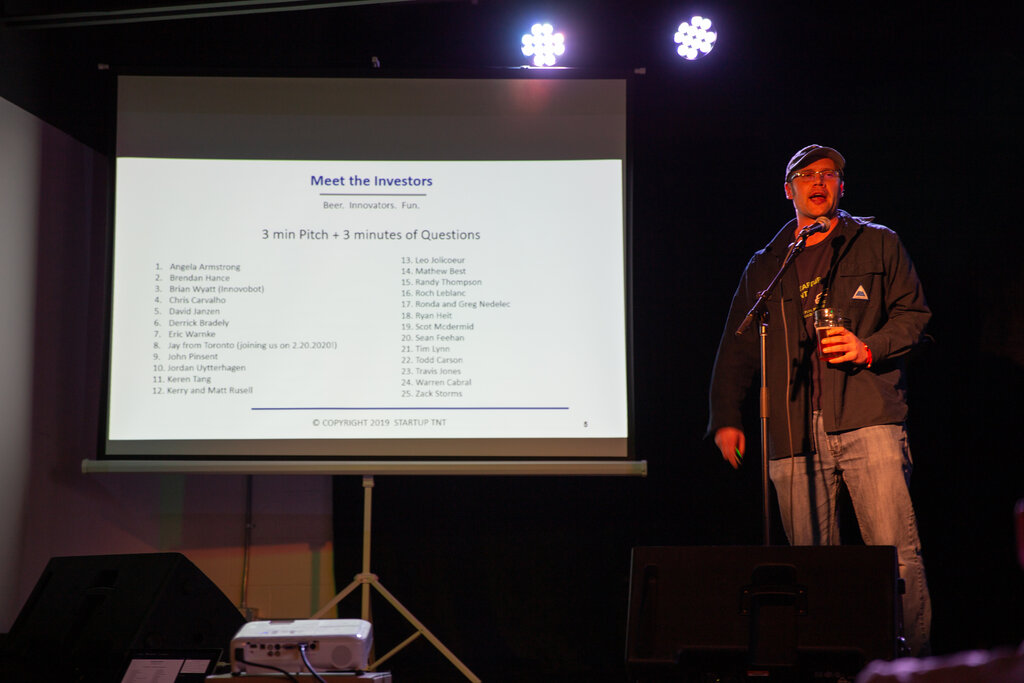
Investors are busy people. They receive hundreds of pitches and don't have time to read lengthy business plans. They scan decks for key information, looking for reasons to either dig deeper or pass. You have a very short window to grab their attention.
Seed investors decide in minutes, so your deck must prove problem, solution, market, traction, and team in under 15 slides.
A well-crafted deck shows that you are professional, organized, and have thought through your business. It’s a reflection of you and your team's ability to execute.
Key Ingredients
While every startup is unique, successful pitch decks almost always contain the same core components. They tell a logical story that answers the most critical questions an investor will have. Here’s a typical narrative flow.
Let's break these down:
- Problem: Clearly define the pain point you are solving. Why does this problem matter, and for whom?
- Solution: Explain how your product or service solves that problem. What makes your solution unique?
- Market Size: Show the potential scale of the opportunity. How many people have this problem? How much money is spent in this market?
- Business Model: How will you make money? Is it through subscriptions, sales, ads, or something else?
- Traction: Provide evidence that you're on the right track. This can be user growth, revenue, key partnerships, or product milestones.
- Team: Introduce the core team. Why are you the right people to solve this problem and build this company?
- The Ask: State clearly how much money you are raising and how you plan to use it. For example, to hire engineers, fund marketing campaigns, or build new features.
Include slides on the problem, solution, market size, traction, team, and financials.
Lessons from Success
Many successful companies started with a simple pitch deck. Let's look at a couple of takeaways from decks that helped startups raise their first round of funding.
Airbnb's early deck famously used the simple framework: "Problem. Solution. Market. Product. Business Model." It was clear, concise, and focused on the core opportunity.
Their "Problem" slide showed three simple pain points for travelers and hosts. The "Solution" slide directly addressed those pains. This directness makes it easy for an investor to quickly grasp the concept. They didn't overload the slides with text; they used visuals and a few key phrases to make their point.
The pitch deck for Buffer, a social media management tool, was notable for its transparency. They included a slide on their traction that showed their user numbers and revenue, even when the numbers were still small. This built credibility.
By being open about their progress, they showed investors they were data-driven and honest. It proved they were making real progress and had a clear view of their business metrics. This is a powerful way to build trust.
The best pitch decks tell a compelling story. They identify a villain (the problem) and present the startup as the hero (the solution). Keep this narrative in mind as you build your own.
Ready to test your knowledge?
What is the primary goal of an initial pitch deck when presenting to investors?
The 'Traction' slide in a pitch deck is meant to show:
A great pitch deck is your entry ticket to a serious conversation with investors. By focusing on a clear story and backing it up with evidence, you can create a powerful tool to help fund your vision.