Securing Your Home Network
Understanding Home Network Basics
Your Home Network Explained
Think of your home network as a private digital hub. It connects all your internet-capable devices to each other and, most importantly, to the wider internet. This allows your laptop, phone, TV, and even your smart thermostat to share information and access online services. Understanding the key players in this setup is the first step to keeping it secure.
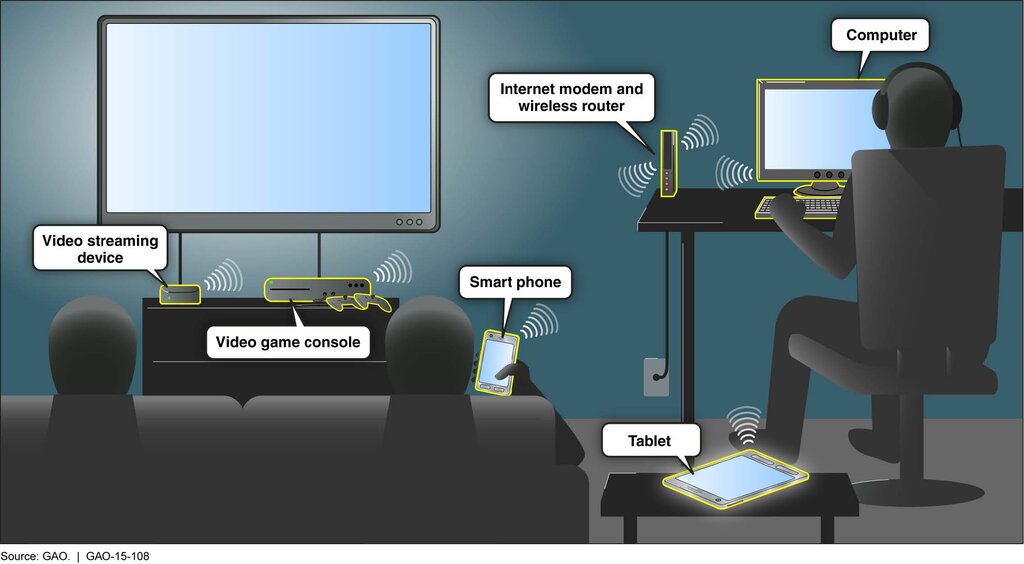
At the heart of your network are two critical pieces of hardware: the modem and the router. Sometimes they're combined into a single device, but they perform two distinct jobs.
The modem is your gateway to the internet. It connects to the line from your Internet Service Provider (ISP) and translates the incoming signal into one your digital devices can use.
The router is the traffic director for your home. It takes the internet connection from the modem and creates a private, local network. It then manages all the data flowing between your devices and the internet.
How Data Moves
When you browse a website or stream a video, data doesn't travel in one continuous stream. Instead, it's broken down into tiny pieces called packets. Each packet contains a small chunk of the data and addressing information, like a letter with a destination and return address.
Your router acts like a mail sorting center. It reads the address on each packet and sends it to the correct device on your network. This happens incredibly fast, allowing multiple devices to use the internet simultaneously without getting their signals crossed. This connection from your devices to the router happens in two main ways: through a physical Ethernet cable or wirelessly via Wi-Fi.
Every device connected to your network, from your computer to your smart TV, is assigned a unique local address by the router. This is called an IP (Internet Protocol) address. It ensures that when you request a webpage on your laptop, the data packets for that page are sent to your laptop and not your roommate's phone.
Your Network's Devices
The devices connected to your network are called clients or endpoints. This category has expanded far beyond just computers and phones. Today, a typical home network might include:
- Computers and Laptops
- Smartphones and Tablets
- Video Game Consoles
- Smart TVs and Streaming Devices
- Internet of Things (IoT) devices: This includes smart speakers, security cameras, lightbulbs, thermostats, and even refrigerators.
Each of these devices communicates through your router to access the internet. By understanding this basic structure—modem, router, and connected devices—you can start to see how they all work together to form your personal corner of the internet.