Securing Your Children's Financial Future
Estate Planning Basics
What Is Estate Planning?
Estate planning isn't just for the wealthy. It's the process of deciding how your assets will be managed and distributed during your life and after you pass away. Think of it as creating a clear set of instructions for your family and the courts to follow, ensuring your wishes are carried out and your loved ones are cared for.
An estate plan consists of several legal documents that lay out what happens to your assets and liabilities when you die or become incapacitated.
Without a plan, state laws will determine what happens to your property and who cares for your minor children. This process, known as intestacy, can be long, expensive, and may not reflect what you would have wanted. A good estate plan gives you control over these important decisions.
The Core Documents
An estate plan is built from a few key legal documents. Each serves a distinct and vital purpose.
Will
noun
A legal document that expresses a person's wishes as to how their property is to be distributed after their death and names one or more persons to manage the estate.
A last will and testament is the cornerstone of many estate plans. It's where you name an executor to carry out your instructions, specify who gets which assets, and most importantly for parents, name a guardian for your minor children. A will only goes into effect after you die and must go through a court process called probate.
Executor
noun
A person or institution appointed by a testator to carry out the terms of their will.
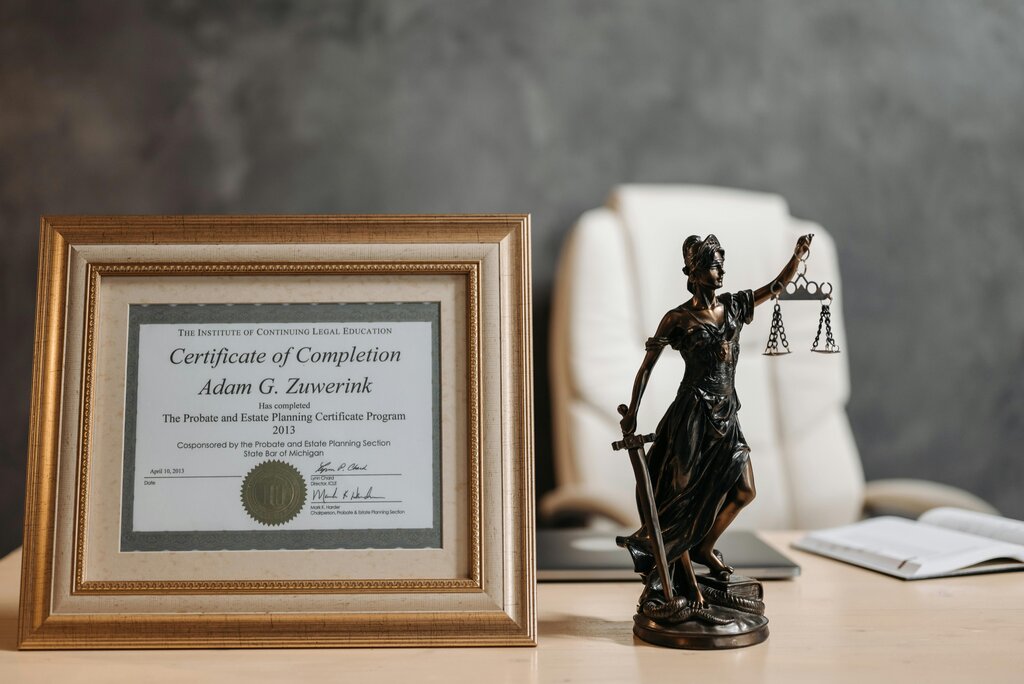
While a will is essential, a trust can offer more control and privacy. A trust is a legal arrangement where a third party, the trustee, holds and manages assets on behalf of a beneficiary.
Unlike a will, a properly funded trust can help your estate avoid the time and expense of probate court. Assets in a trust can be managed and distributed privately according to the rules you set up.
Trust
noun
A legal relationship in which one party gives another party the right to hold title to property or assets for the benefit of a third party.
The trustee has a fiduciary duty to manage the trust's assets in the best interest of the beneficiaries. You can name a trusted person, like a family member or friend, or a professional institution, like a bank, to act as your trustee.
Trusts are legal instruments within estate plans that help you achieve certain goals, such as controlling how your assets are distributed over time to your heirs or other beneficiaries and helping you avoid probate.
Estate planning also prepares for the possibility of incapacitation. A Power of Attorney is a document that grants someone the authority to make decisions on your behalf if you're unable to. There are two main types:
- Durable Power of Attorney for Finances: This lets you appoint someone to manage your financial affairs, like paying bills and managing investments.
- Power of Attorney for Health Care (or Health Care Proxy): This allows you to name an agent to make medical decisions for you when you cannot.
Common Misconceptions
Many people put off estate planning because of some common myths. Let's clear a few of them up.
| Myth | Reality |
|---|---|
| "I'm not rich enough to need an estate plan." | Everyone has an estate. If you own anything—a bank account, a car, personal belongings—you have an estate. Planning ensures these assets go to the people or charities you choose. |
| "I'm too young to worry about it." | Incapacity or unexpected death can happen at any age. An estate plan protects you and your family no matter what the future holds. |
| "My family knows what I want." | Verbal agreements aren't legally binding. Without legal documents, your wishes might not be followed, and state law will dictate the outcome. This can lead to family disputes and unnecessary stress. |
| "A will avoids probate." | A will directs the probate process; it does not avoid it. Only assets held in a trust or with a direct beneficiary designation (like a 401(k) or life insurance policy) typically bypass probate. |
Now that you understand the key concepts and documents, you can test your knowledge.
What is the primary purpose of estate planning?
If a person dies without an estate plan, the legal process for distributing their property is known as __________.
Creating an estate plan is a foundational step in securing your family's future. It provides peace of mind by ensuring your wishes are documented and legally enforceable.