Securing Remote Work
Understanding Remote Work
The World Beyond the Office
Remote work, at its core, means doing your job from a location other than a central office. This could be your home, a coffee shop, or a co-working space across the globe. It’s not a new idea—telecommuting has existed for decades—but advances in technology and a recent global shift in work culture have pushed it into the mainstream. The focus is less on where you are and more on the work you produce.
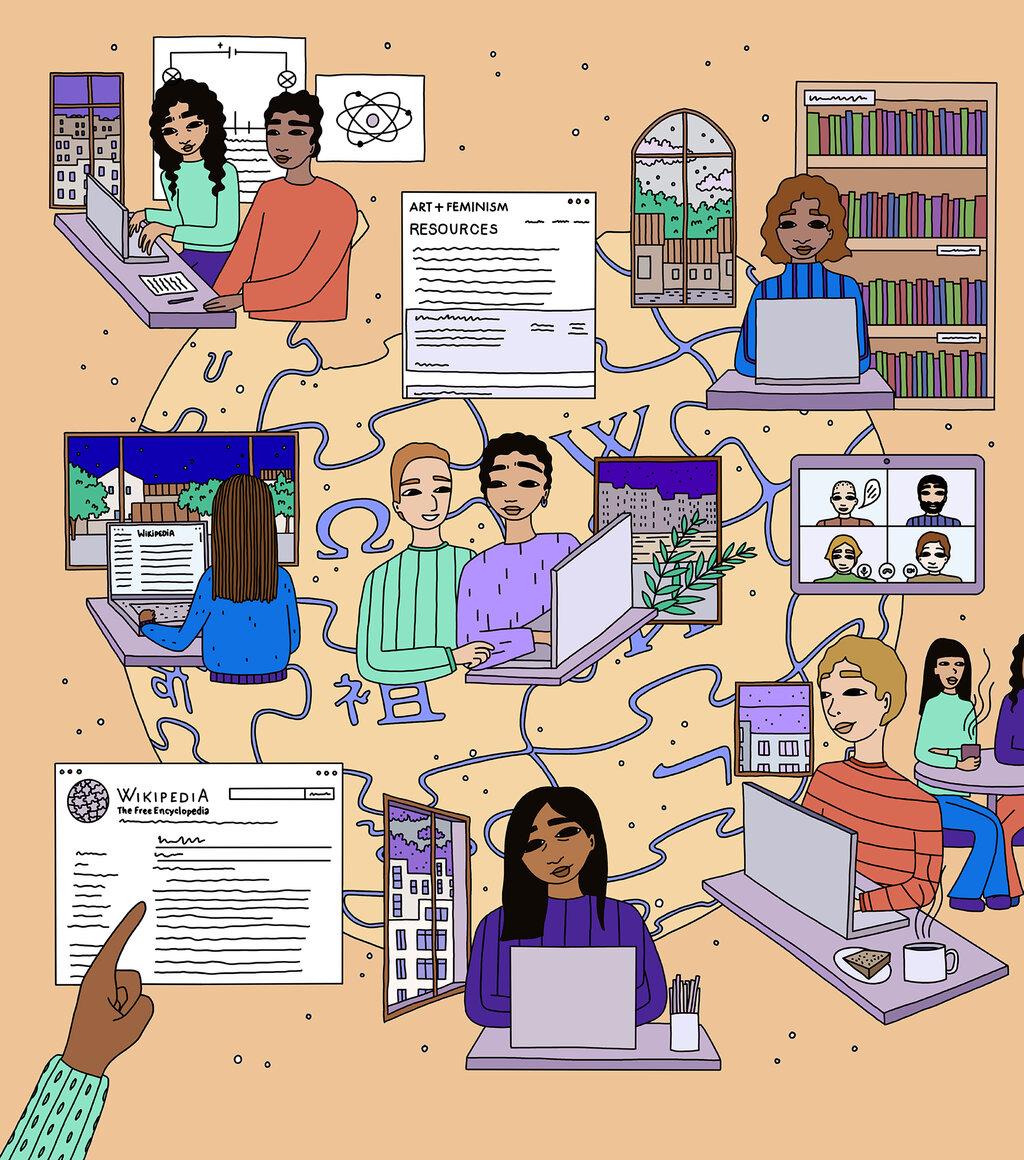
The benefits are well-known. You gain flexibility and autonomy, save time and money by eliminating a daily commute, and can potentially achieve a better work-life balance. For many, this freedom is a major draw.
However, it's not without challenges. Working alone can lead to feelings of isolation. The line between your professional and personal life can blur without the physical separation of an office. Success requires a high degree of self-discipline and strong communication skills to stay connected with your team.
Effective remote work depends on finding the right balance between independence and connection.
Types of Remote Arrangements
Remote work isn't a one-size-fits-all model. It comes in several different forms, each with its own structure and expectations.
| Arrangement | Description | Best For... |
|---|---|---|
| Fully Remote | You work 100% of the time outside of a traditional office. The company may not even have a physical headquarters. | Individuals who are highly self-motivated and thrive in an autonomous environment. |
| Hybrid | You split your time between working remotely and in the office. The schedule can be fixed (e.g., Tues/Thurs in-office) or flexible. | People who want both the flexibility of remote work and the social interaction of an office. |
| Freelance/Contract | You are self-employed and work on specific projects for one or more clients. Your work is typically remote by default. | Experts in a specific field who prefer project-based work and managing their own business. |
A fully remote employee is part of a company's permanent staff, just like an in-office worker, but with the freedom of location. A hybrid role offers a compromise, blending remote work with in-person collaboration. Freelancing provides the most independence, but also comes with the responsibility of finding your own work and managing your own benefits.
Who Works Remotely?
While not every job can be done remotely, a surprising number of industries have embraced it. Technology is the most obvious, with roles like software development, cybersecurity, and UI/UX design being naturals for remote work. Other fields are not far behind.

Digital marketing, content creation, and graphic design are heavily remote. Customer service and technical support roles are often location-independent. Even fields like education, finance, and project management have a growing number of remote opportunities. The common thread is that the work is primarily knowledge-based and doesn't require a physical presence to be completed effectively.
Remote work in 2025 encompasses various arrangements: fully remote, hybrid models, distributed teams, and flexible work arrangements.
Let's review some of the key concepts we've covered.
Ready to check your understanding?
What is the primary focus of remote work?
A role that blends remote work with in-person collaboration at a central office is best described as a _______ role.
Understanding these fundamentals is the first step. Now that you know what remote work is, its different forms, and where to find it, you can start thinking about how it fits into your own career goals.