Securing Remote-First Digital Jobs
Understanding Remote Work
What is Remote Work?
Remote work, at its core, means doing your job outside of a traditional office. Instead of commuting to a central workplace every day, you can work from home, a coffee shop, or a co-working space. This setup relies heavily on technology to connect you with your team and your tasks.
It isn't a one-size-fits-all model. Remote work comes in a few different flavors, each offering a different level of flexibility.
| Type | Description | Common Scenario |
|---|---|---|
| Fully Remote | You work 100% of the time outside the company office. The company may not even have a physical office. | A software developer works from their home office, collaborating with a team spread across the world. |
| Hybrid | You split your time between working in the office and working remotely. | An employee goes into the office two days a week for meetings and works from home the other three. |
| Flexible | You have the freedom to choose your work location and sometimes your hours, as long as the work gets done. | A graphic designer works from a different city for a month, adjusting their hours to overlap with their team for a few hours each day. |
The Good and The Bad
The biggest draw for many is flexibility. You can often arrange your work schedule around your life, not the other way around. Eliminating the daily commute saves time, money, and stress. This autonomy can lead to a better work-life balance and increased productivity for people who are self-disciplined.
But it's not without its challenges. Working alone can feel isolating, and the lines between work and home can blur. It's easy to find yourself answering emails late at night or struggling to switch off. Communication can also be tougher when you can't just walk over to a colleague's desk. Misunderstandings can happen more easily over text-based messages.
Successful remote work requires clear boundaries and intentional communication to overcome its challenges.
Where is Remote Work Happening?
While the tech industry was an early adopter, remote work has now spread across many sectors. You'll find remote opportunities in customer service, marketing, design, writing, education, and even some areas of finance and healthcare. The common thread is that the work can be done on a computer and doesn't require a specific physical location.
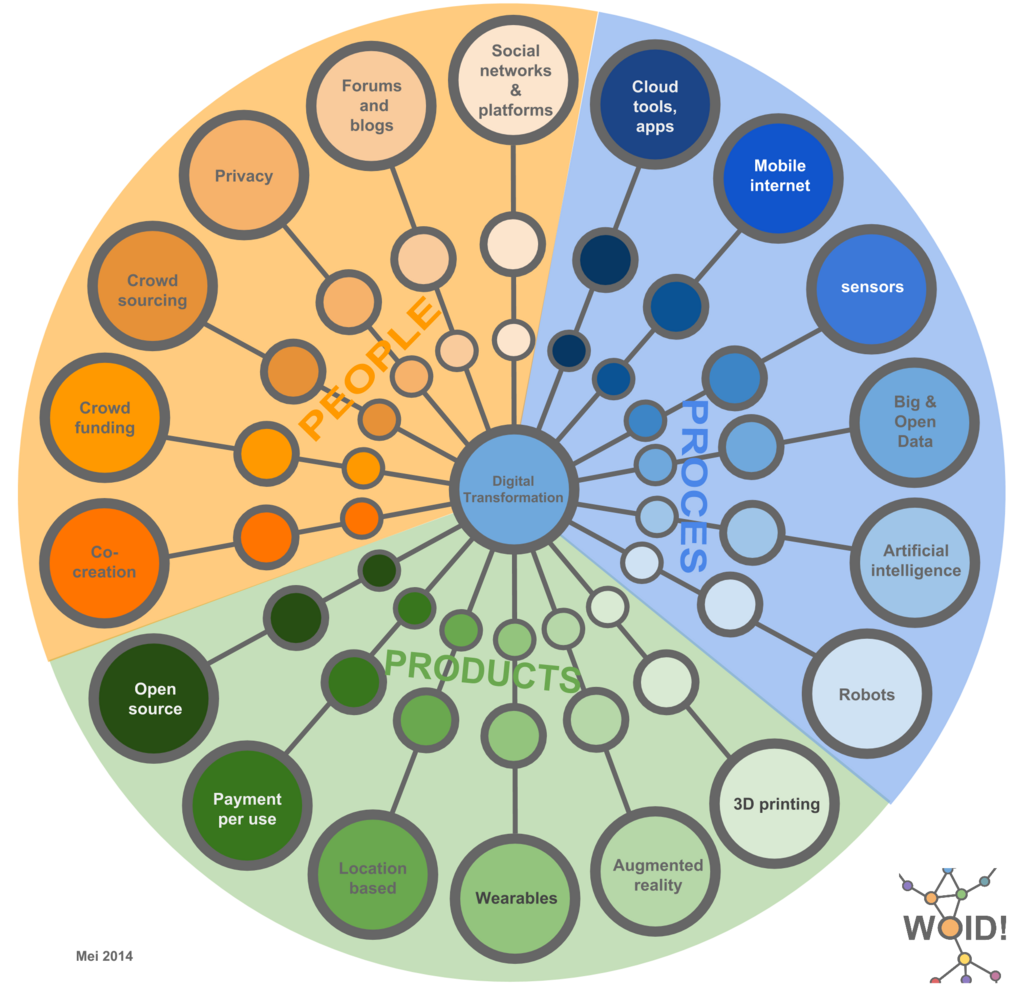
Companies are embracing this shift because it widens their talent pool. They can hire the best person for the job, regardless of where they live. This also allows businesses to reduce costs associated with large office spaces.
Skills for the Virtual Office
To succeed in a remote role, you need more than just the skills for the job itself. You also need to be proficient with the digital tools that make remote work possible. This isn't just about knowing how to use email; it's about mastering a virtual toolkit.
When working remotely, you should develop familiarity with remote collaboration tools for work such as Slack, Microsoft Teams, Google Meet, and Zoom, and project management software such as Trello or Monday.com.
Beyond specific software, certain soft skills become even more crucial. Strong written communication is essential, as much of your interaction will be text-based. Time management and self-motivation are non-negotiable, since you're the one in charge of your schedule and productivity. Finally, being adaptable and proactive in solving problems shows an employer you can thrive without constant supervision.
Now, let's test your understanding of the fundamentals of remote work.
What is the fundamental characteristic of remote work?
Which of the following is a primary benefit of remote work for an employee?
Understanding these core concepts is the first step in navigating the modern job market, where remote opportunities continue to grow.