Securing Application Layer Communications
Introduction to Email Security
The Unlocked Mailbox
Email is one of the oldest tools of the internet, but it's also one of the most vulnerable. By default, sending an email is like sending a postcard. Anyone who handles it along the way can read its contents. This lack of privacy is a serious security risk, especially when we send sensitive information like financial details, passwords, or personal secrets.
This exposure happens at the application layer, the part of the internet protocol suite that we interact with directly through clients like Gmail or Outlook. To protect our messages, we need security measures that work at this level.
Common Email Threats
Several common threats exploit the open nature of email. Understanding them is the first step toward defending against them.
Eavesdropping
noun
The act of secretly listening to or reading someone else's private communication without their permission.
When an email is unencrypted, it travels across the internet in plain text. This means network administrators, internet service providers, or attackers who gain access to the network can intercept and read your messages. It’s the digital equivalent of a mail carrier reading your postcards.
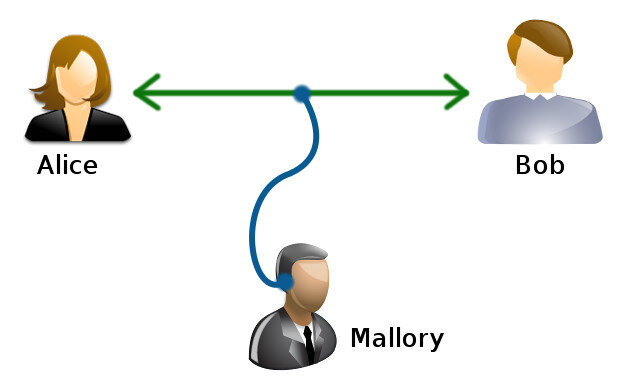
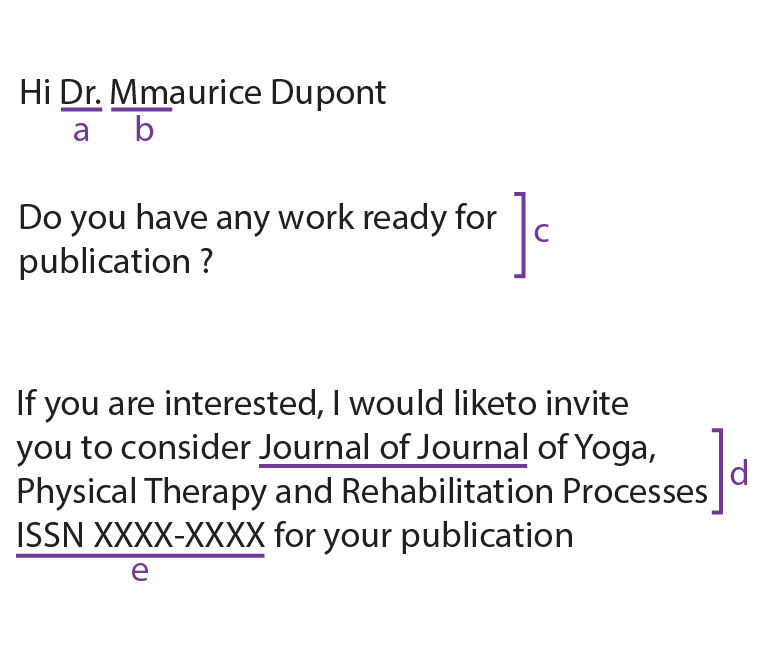
Next is spoofing, where an attacker forges the sender's address to make an email appear as though it came from someone else. Imagine getting a letter with a fake return address from your bank. A spoofer could send an email that looks like it's from your boss, asking you to transfer money or share sensitive files.
Spoofing is a common tactic because many email systems don't automatically verify that the sender is who they claim to be.
Phishing is a more targeted form of spoofing. The goal is to trick you into revealing personal information, like passwords or credit card numbers. The attacker creates a convincing-looking email, often mimicking a legitimate company, and includes a link to a fake website. When you enter your credentials on the fake site, the attacker captures them.
The Goals of Email Security
To counter these threats, we need to establish three key properties for our communications: confidentiality, integrity, and authenticity.
| Principle | Goal |
|---|---|
| Confidentiality | Ensures that only the intended recipient can read the message. |
| Integrity | Guarantees that the message has not been altered in transit. |
| Authenticity | Confirms that the sender is who they claim to be. |
How do we achieve this? Through two core technologies: encryption and authentication.
Encryption provides confidentiality. It scrambles the content of your email into an unreadable format. Only someone with the correct key can unscramble and read it. This turns your postcard into a locked metal box.
Authentication provides integrity and authenticity. It uses digital signatures, which are like a tamper-proof seal on an envelope. A digital signature verifies the sender’s identity and proves that the message hasn't been changed since it was sent. If an attacker alters even a single character, the signature becomes invalid.
Implementing multi-layered email security—including DMARC, DKIM, and SPF protocols—helps authenticate sender identities and reduce spoofing risks.
By combining these techniques, we can transform email from an insecure postcard into a secure, trustworthy form of communication. Now, let's test your knowledge.
Why is sending a standard, unencrypted email often compared to sending a postcard?
You receive an email that looks like it's from your boss asking you to urgently purchase gift cards and send them the codes. The sender's name is correct, but the email address is from a public provider like Gmail, not your company's domain. This is an example of what?