Securing APIs with Azure API Management
Introduction to API Security
Why API Security Matters
APIs are the messengers of the digital world. They connect different software applications, allowing them to share data and functionality. Think of an API as the front door to an application's most valuable resources, like user data, business logic, and services. If that door is left unlocked, anyone can walk in.
Securing an API isn't just a technical task; it's a fundamental requirement for protecting data, maintaining user trust, and preventing costly breaches.
Without strong security, APIs can become a primary target for attackers. A single vulnerability can expose sensitive information, disrupt services, or allow malicious actors to take control of a system. This makes API security a top priority for any organization that builds or uses them.
Common Threats
APIs face a variety of threats that exploit weaknesses in how they are designed, implemented, and managed. Understanding these common vulnerabilities is the first step toward building a defense.
| Threat | Description |
|---|---|
| Unauthorized Access | Attackers gain access to data or functions they shouldn't have, often by bypassing weak authentication. |
| Data Exposure | An API accidentally reveals sensitive information, like personal user details or internal system data. |
| Injection Attacks | Malicious code is sent to an API, tricking it into executing unintended commands or accessing data without proper authorization. |
| Denial of Service (DoS) | An API is flooded with a huge volume of requests, overwhelming it and making it unavailable to legitimate users. |
Understanding these API vulnerabilities is the first step to mitigating the risks they pose.
Authentication vs. Authorization
To secure an API, you need to control who can use it and what they can do. This is handled by two distinct but related processes: authentication and authorization. It's crucial to understand the difference.
Authentication
noun
The process of verifying a user's identity. It answers the question, "Who are you?"
Authentication is like showing your ID to a security guard at the entrance of a building. The guard checks your ID to confirm that you are who you say you are. Common methods include passwords, API keys, or security tokens. Once you're authenticated, you're allowed inside.
Authorization
noun
The process of granting a verified user permission to access specific resources or perform certain actions. It answers the question, "What are you allowed to do?"
Just because you're inside the building doesn't mean you can go anywhere you want. Authorization determines which rooms you can enter. For example, all employees might be allowed in the lobby (authentication), but only executives have keycard access to the boardroom (authorization).
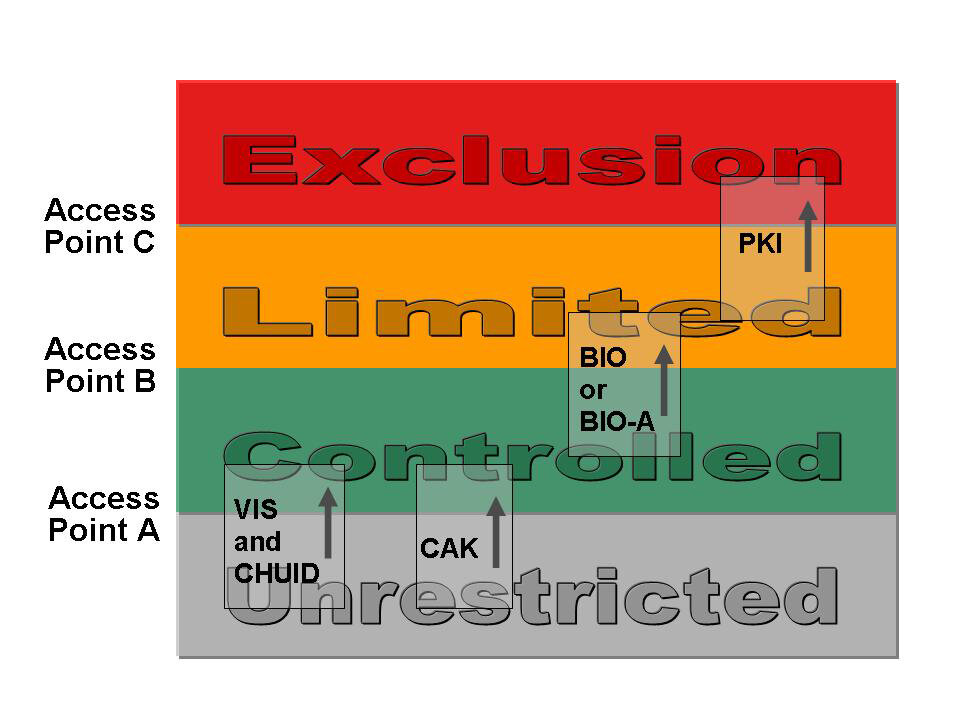
In an API, a user might be authenticated to access the application, but only authorized to view their own data, not the data of other users. An administrator, on the other hand, would have authorization to view and modify data for all users. Both processes work together to ensure that only the right people can access the right resources, for the right reasons.
What is the primary role of an API in software applications?
Which process is responsible for verifying that a user is who they claim to be, similar to showing an ID card?