Secure Your Browsing with VPNs
Introduction to VPNs
What Is a VPN?
A Virtual Private Network, or VPN, creates a secure and private connection over a public network, like the internet. Think of it as a private, encrypted tunnel for your online activity. Instead of your data traveling in the open, it's shielded from view.
A VPN (Virtual Private Network) is a security technology that encrypts your internet traffic and creates a secure tunnel between your device and the internet.
The main purpose is to enhance your online privacy and security. When you use a VPN, it becomes much harder for others, like your Internet Service Provider (ISP), advertisers, or hackers on public Wi-Fi, to see what you're doing online. It also helps mask your location, making you appear as if you're browsing from somewhere else entirely.
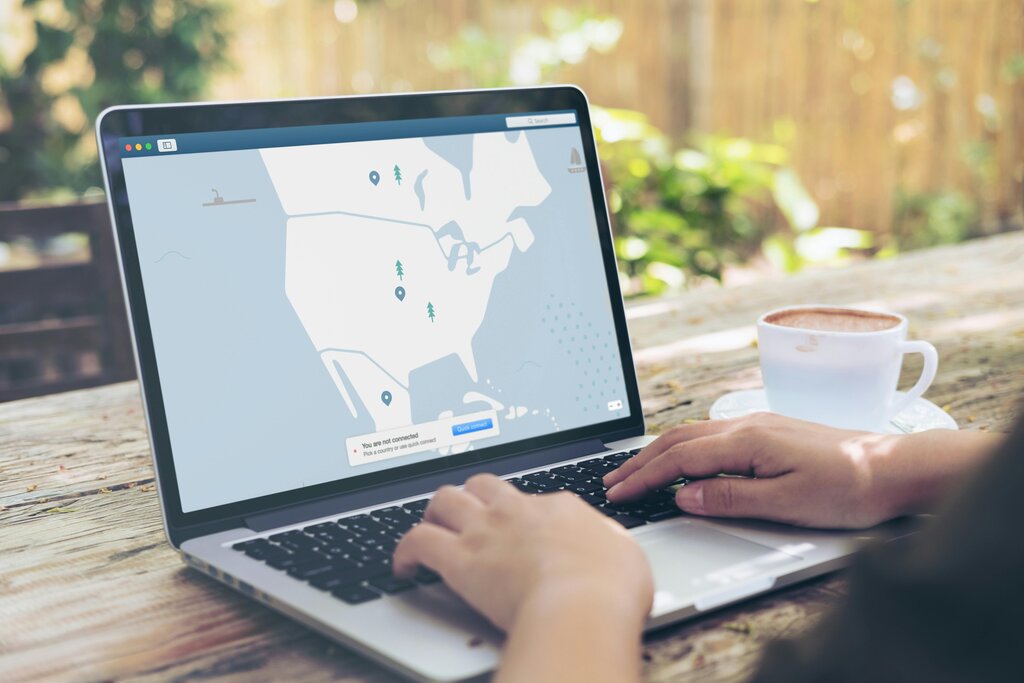
How It Actually Works
A VPN uses two key techniques to protect your connection: encryption and tunneling.
Encryption is the process of scrambling your data so it becomes unreadable. Imagine writing a message in a secret code that only you and the recipient have the key to decipher. Even if someone intercepts the message, it will look like nonsense to them. That's what encryption does for your internet traffic.
Tunneling is the process that creates the secure path for your encrypted data to travel through. The VPN client on your device establishes a connection to a VPN server. This connection forms a private 'tunnel' through the public internet. All your data passes through this tunnel, shielded from the outside.
When your data exits the VPN server and goes to its final destination (like a website), it uses the VPN server's IP address, not your own. Your IP address is like your home's mailing address for the internet. By masking it, a VPN hides your real location and adds a significant layer of anonymity to your browsing.
Different Kinds of VPNs
While there are many specific VPN technologies, they generally fall into two broad categories based on their use.
Remote Access VPN
noun
Allows an individual user to connect to a private network from a remote location. This is the most common type used by consumers and remote workers.
The other main type is a site-to-site VPN. Instead of connecting a single user, this type of VPN connects entire networks together. For example, a company with offices in New York and London could use a site-to-site VPN to link their two office networks over the internet. This creates one large, secure company network, even though the offices are geographically separate.
Why Use a VPN?
The benefits of using a VPN boil down to improved privacy and security. By encrypting your traffic, a VPN protects your sensitive information, like passwords and credit card numbers, especially when you're on unsecured public Wi-Fi networks in places like airports or cafes.
It also enhances your privacy by hiding your IP address and online activities from your ISP and other third parties. This prevents them from tracking the websites you visit or the data you download and upload. Ultimately, a VPN is a powerful tool for taking control of your digital footprint.
What are the two key techniques a VPN uses to protect an internet connection?
What is the primary function of 'encryption' in a VPN?
Understanding these basics helps you see how VPNs can be a simple yet effective way to protect your online life.