Secure Your Browsing with VPNs
Introduction to VPNs
Your Private Tunnel Online
Think of the internet as a busy public highway. Every car is a piece of your data, and anyone watching—like your internet service provider (ISP) or people on the same public Wi-Fi—can see where you're going.
A Virtual Private Network, or VPN, builds a private, encrypted tunnel through that public highway. It's a service that secures your connection and protects your privacy. When you use a VPN, all your internet traffic goes through this secure tunnel first, hiding it from prying eyes.
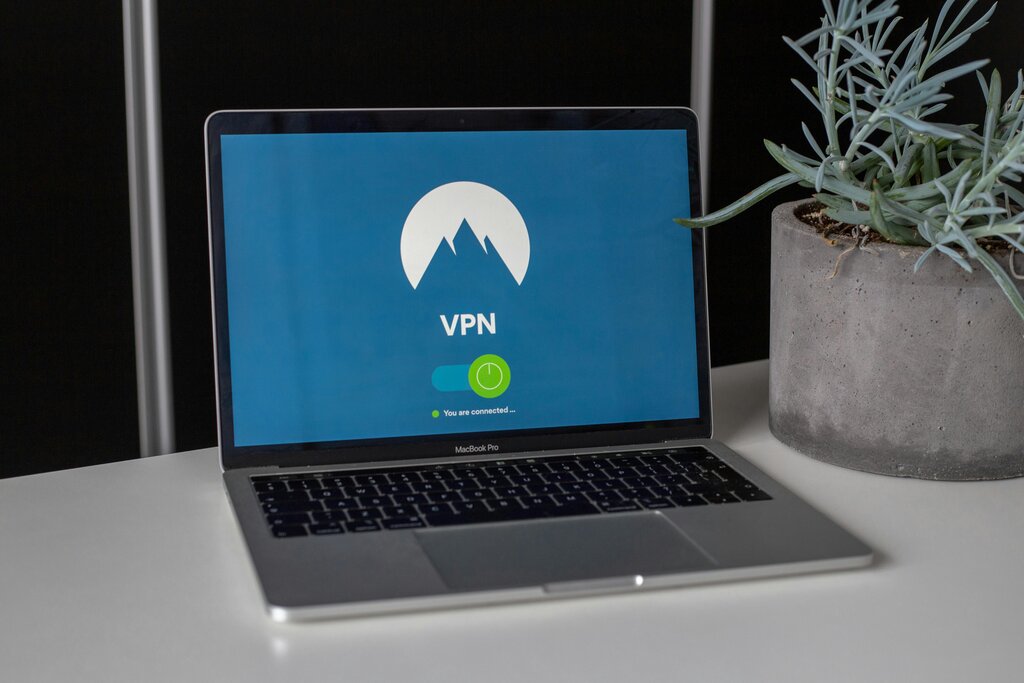
This is especially important when you're using networks you don't control, like the Wi-Fi at a coffee shop, airport, or hotel. Without a VPN, your activity on these networks could be exposed to others.
At its core, a Virtual Private Network (VPN) serves as a secure conduit that allows users to establish a private and encrypted connection over the internet.
How a VPN Works
A VPN does two main things to protect you: it encrypts your data and it masks your IP address.
First, let's talk about encryption. When you connect to a VPN, it creates a secure link between your device and one of its own servers. All your internet traffic is scrambled and sent through this link. Anyone trying to intercept it would just see meaningless code, not the websites you're visiting or the data you're sending.
Second, it hides your real IP address. An IP address is a unique number that identifies your device on the internet, much like a mailing address for your house. It can reveal your general location.
When you use a VPN, you connect to the internet through the VPN server. This means websites and online services see the IP address of the server, not your own. If the VPN server is in another country, it will look like you are browsing from that location.
A VPN masks your IP address and makes it appear like you are in a different location to ensure your online data remains private and protected.
Key Benefits
So, why go through the trouble of using a VPN? The benefits come down to privacy, security, and freedom.
-
Enhanced Security: By encrypting your data, a VPN protects your sensitive information, like passwords and credit card numbers, from being stolen, especially on public Wi-Fi networks.
-
Improved Privacy: A VPN prevents your ISP from seeing your browsing history. While they can see that you're connected to a VPN, they can't see what you're doing. It also hides your IP address from websites, making it harder for them to track you across the internet.
-
Access Content Freely: Because a VPN can make it look like you're in another country, you can often access websites, streaming services, or news that might be blocked in your actual location. This is useful for travelers or people living in countries with internet censorship.
In short, a VPN is a powerful tool for taking back control of your digital privacy and security.
Ready to test what you've learned about the basics of VPNs?
The provided text likens the internet to a "busy public highway." In this analogy, what does a VPN create for your data?
What are the two primary functions a VPN performs to protect your online activity?
Understanding what a VPN does is the first step toward safer browsing. By creating a secure, private connection, it adds a crucial layer of protection to your online life.