Secure Your Browsing with a VPN
Introduction to VPNs
What Is a VPN?
Think of your internet connection as sending a postcard. Anyone who handles it along the way, from the postal worker to your local sorting office, can read its contents. Your Internet Service Provider (ISP), the Wi-Fi network you're using, and the websites you visit can all see what you're doing online.
A Virtual Private Network, or VPN, changes this. It's like putting that postcard inside a locked, opaque envelope. It creates a secure, private tunnel for your internet activity, shielding it from prying eyes.
A virtual private network (VPN) gives you online privacy and anonymity by creating a private network from a public internet connection.
The main purpose of a VPN is to enhance your online privacy and security. By routing your connection through a private server, it hides your online actions and protects your data, especially on public networks like the Wi-Fi at a coffee shop or airport.
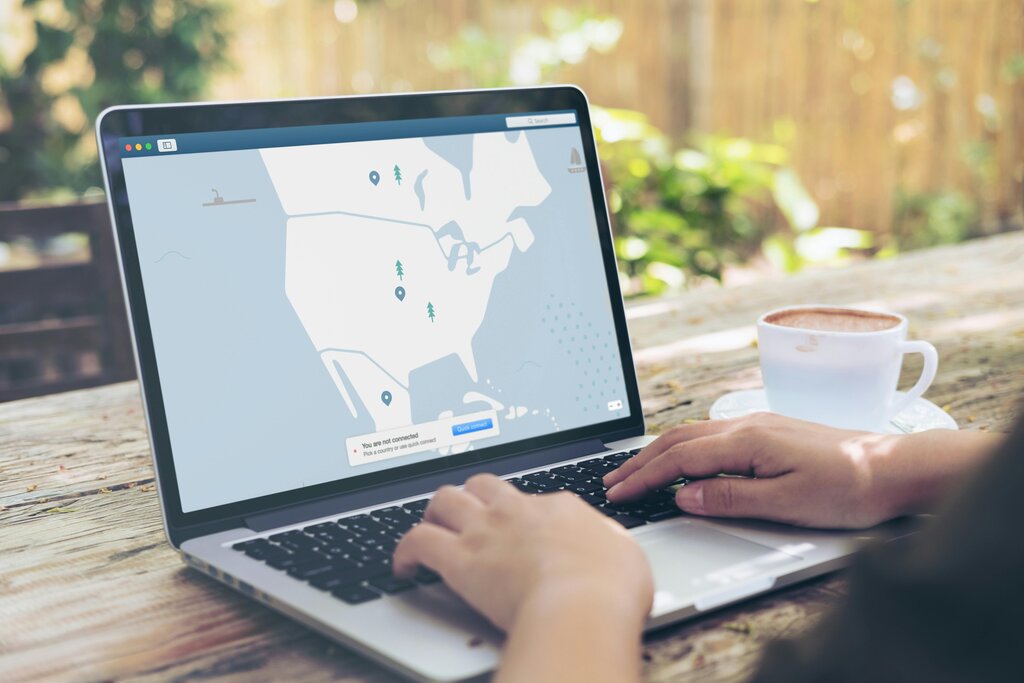
How It Works
A VPN does two main things to protect you: it encrypts your traffic and masks your IP address.
Encryption is the process of scrambling your data so that it can only be read by someone with the right key. This is what creates the secure "tunnel." Even if someone managed to intercept your data, it would look like meaningless gibberish to them.
IP Masking hides your real location. Every device connected to the internet has a unique Internet Protocol (IP) address, which is like a digital street address. A VPN replaces your IP address with one from its own server. If you're in New York and connect to a VPN server in London, websites will see you as if you're browsing from the UK.
Together, these features give you a powerful layer of privacy. For example, they prevent your ISP from seeing which sites you visit and stop websites from knowing your physical location.
Legality and Common Myths
Using a VPN is legal in most countries, including the United States, Canada, and most of Europe. However, some countries regulate or ban VPN use. It's always a good idea to check local laws, especially when traveling. Keep in mind that using a VPN for illegal activities is still illegal.
VPNs are useful tools, but they're often misunderstood. Let's clear up a few common myths.
| Myth | Reality |
|---|---|
| VPNs make you 100% anonymous. | No tool can make you completely anonymous online. A VPN greatly increases privacy, but it doesn't hide everything. Websites can still use cookies and browser fingerprinting to track you. |
| All VPNs are the same. | VPN services vary widely in speed, security, and privacy policies. Some keep logs of user activity, which defeats the purpose of using one for privacy. It's important to choose a reputable provider with a strict "no-logs" policy. |
| VPNs will always slow down your internet. | Encryption and routing traffic through another server can add a small delay. However, with modern VPNs and fast servers, the speed difference is often unnoticeable for everyday browsing. |
| You only need a VPN for public Wi-Fi. | While essential for public networks, a VPN is also valuable at home. It prevents your ISP from tracking your browsing habits and selling that data to advertisers. |
The provided text compares an unsecured internet connection to a postcard. What does a VPN turn that postcard into?
What are the two primary functions of a VPN that enhance online privacy and security?
A VPN is a straightforward way to add a significant layer of security and privacy to your online life, protecting your data from your ISP, public Wi-Fi networks, and other observers.