Secure Your Accounts with Two-Factor Authentication
Understanding Two-Factor Authentication
More Than Just a Password
Think of your most important online account like a bank vault. A password is like the combination lock on the vault door. If someone figures out the combination, they can get right in. Two-factor authentication, or 2FA, adds a second, different kind of lock, like a physical key. Even if a thief steals your combination, they still can't open the door without the key.
If you want to keep your online accounts safe, adding two-factor authentication (2FA) is the single most important step you can take.
In the digital world, 2FA requires you to prove your identity in two different ways before you can access an account. It moves beyond just something you know (your password) and asks for proof from another category. This simple step makes it dramatically harder for unauthorized people to get into your accounts, even if they manage to steal your password.
The Three Factors
Authentication factors are grouped into three types. 2FA works by combining any two of them.
- Something you know: This is a secret that only you should know. The most common example is your password or a PIN.
- Something you have: This is a physical object in your possession. Examples include your smartphone, a special USB security key, or a bank card.
- Something you are: This refers to your unique biological traits, also known as biometrics. Fingerprints, facial scans, and iris scans all fall into this category.
Using just a password is single-factor authentication. When you log into your bank's website with a password and then have to enter a code sent to your phone, you're using two factors: something you know (password) and something you have (phone).
| Factor Type | Description | Examples |
|---|---|---|
| Knowledge | Information only the user should know. | Password, PIN, security questions |
| Possession | A physical item the user has. | Phone, hardware token, smart card |
| Inherence | A unique biological trait of the user. | Fingerprint, face scan, voiceprint |
Common 2FA Methods
While the principles are the same, 2FA comes in a few different forms, each with its own pros and cons.
SMS Codes This is one of the most common methods. When you try to log in, the service sends a temporary code to your phone via text message. You then enter that code to gain access. It’s convenient because nearly everyone has a phone capable of receiving texts. However, it's considered the least secure 2FA method. Skilled attackers can sometimes trick mobile carriers into transferring your phone number to their own device, an attack known as a SIM swap. This would allow them to receive your 2FA codes.
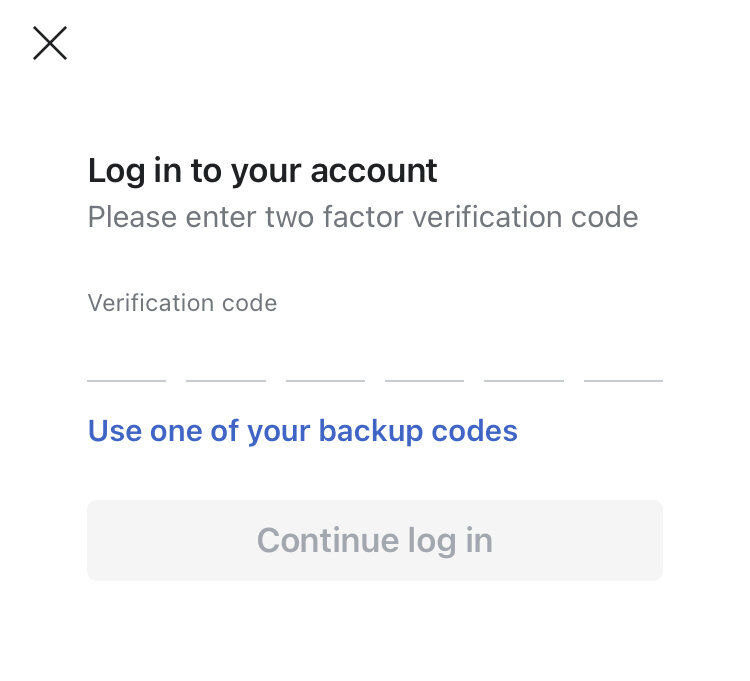
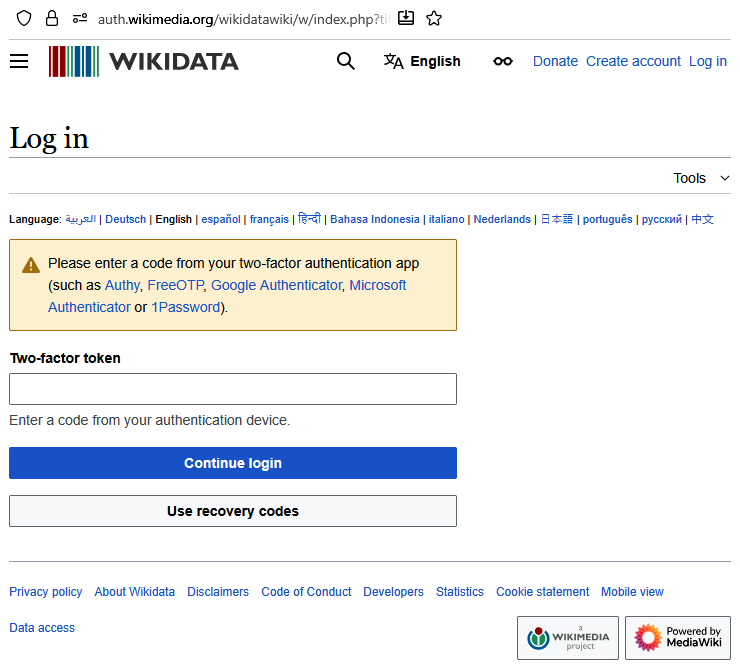
Authenticator Apps These are applications you install on your smartphone, like Google Authenticator, Microsoft Authenticator, or Authy. After a one-time setup where you scan a QR code, the app generates a new temporary code every 30-60 seconds. Because the codes are generated on your device and not sent over the phone network, they aren't vulnerable to SIM swapping, making them much more secure than SMS codes.
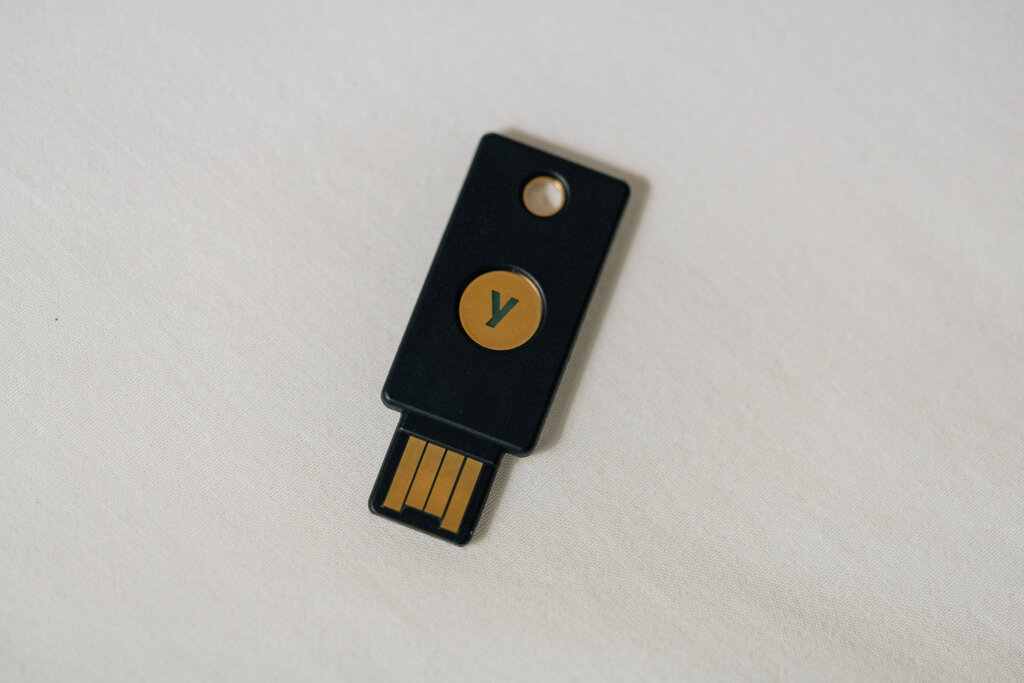
Hardware Tokens For the highest level of security, there are hardware tokens. These are small physical devices, often resembling a USB stick, that you plug into your computer or tap on your phone. When prompted, you touch a button on the device to approve the login. These tokens are highly resistant to phishing and online attacks because the cryptographic approval happens on the physical device itself. While very secure, they require you to carry an extra device and are less common for everyday consumer services.
Choosing a 2FA method is a balance of security and convenience. While any 2FA is better than none, using an authenticator app or hardware token provides stronger protection than SMS codes.
What is the primary purpose of two-factor authentication (2FA)?
Two-factor authentication works by combining proof from two different categories. Which of the following is a valid 2FA combination?
By adding a second layer of defense, you make your online accounts a much harder target.