Secure Software Development Fundamentals
Introduction to Software Security
Security Isn't an Add-On
Software is everywhere, from your phone to your car to your bank. Software security is the practice of designing and building software to protect the data and systems it controls from malicious attacks and other risks. It’s not just about firewalls or antivirus programs; it’s about building protection directly into the code itself.
Think of it like building a house. It's much easier and more effective to design strong locks and an alarm system into the blueprints than it is to try and bolt them on after the house is already built.
When security is treated as an afterthought, vulnerabilities are almost inevitable. These are weaknesses in the code that attackers can exploit. Common threats include injecting malicious code, stealing sensitive data, or even taking control of a system entirely.
The Cost of a Breach
When security fails, the consequences can be severe. The immediate impact is often data loss, where personal information, financial records, or a company's intellectual property is stolen. But the damage doesn't stop there.
| Impact Type | Description |
|---|---|
| Financial | The cost of responding to an attack, paying regulatory fines, and potential lawsuits can be enormous. |
| Reputational | Customers lose trust in a company that can't protect their data. This damage can be harder to repair than any technical issue. |
| Operational | A security breach can shut down business operations, leading to lost revenue and productivity. |
History is filled with examples of security breaches that had a massive impact on major companies and their users. These aren't abstract risks; they are real events that affect millions of people.
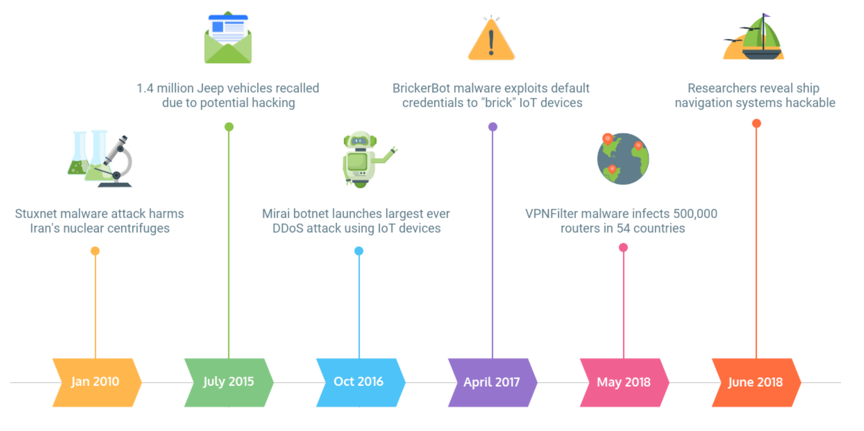
The Developer's Responsibility
In modern software development, security is a shared responsibility, and developers are on the front lines. Since developers write the code, they have the first and best opportunity to build secure software from the ground up.
Security must be an integral part of the development lifecycle, not an afterthought.
This proactive approach is often called "shifting left." It means moving security considerations to the earliest stages of the software development lifecycle (SDLC). The earlier a vulnerability is found, the easier and cheaper it is to fix. A security flaw discovered during the design phase is simple to correct. The same flaw found in a live product could be a catastrophe.
Security at Every Step
Integrating security into the SDLC means thinking about potential risks at every phase, from the initial idea to the final release and beyond.
Here's a quick look at what this means in practice:
- Requirements: When planning a new feature, you also define its security needs. For example, "User passwords must be stored securely."
- Design: Before writing code, you think like an attacker. This is called threat modeling, where you identify potential vulnerabilities in your design and plan how to mitigate them.
- Development: You write code with security best practices in mind.
- Testing: In addition to testing for bugs, you actively test for security vulnerabilities.
- Deployment: You ensure the software is configured securely in its live environment.
By making security a core part of the entire process, teams can build stronger, more resilient software that protects both the business and its users.
The practice of moving security considerations to the earliest stages of the software development lifecycle (SDLC) is commonly known as ____.
Identifying and planning mitigations for potential vulnerabilities during the design phase is known as threat modeling.