Secrets of the Illusion Architects
Golden Age Evolution
The New Magician
The late 19th century transformed magic. The traveling showman, who often hinted at supernatural powers to draw a crowd, was being replaced by a new kind of performer: the theatrical illusionist. This new magician was a respectable entertainer, a scientist of deception who performed in grand theaters for a paying audience.
The key figure in this shift was Jean-Eugène Robert-Houdin. A former clockmaker, he approached magic with a mechanic's precision. He presented his illusions not as miracles, but as puzzles rooted in science and psychology. Robert-Houdin performed in a formal evening suit, on a brightly lit stage, stripping away the mystical trappings and presenting magic as a sophisticated art form.
Originally a Clockmaker, Houdin opened a magic theater in Paris in 1845 and transformed the art of magic from one performed at fairs to one the public paid to see in a theater.
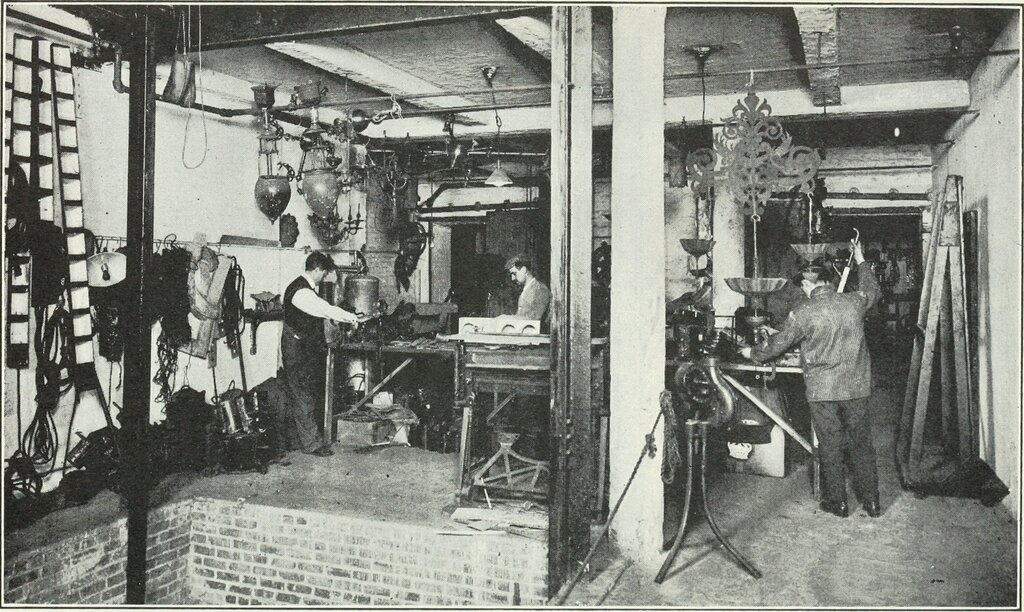
This new theatricality demanded bigger and better illusions. Sleight of hand still had its place, but the grand stages of the Golden Age became laboratories for spectacular effects. Magicians became inventors, harnessing the cutting-edge technology of the Industrial Revolution.
Elaborate mechanical systems, powered by steam or complex counterweights, were built beneath the stage to make people levitate or vanish. Advances in optics led to ghostly apparitions through illusions like the , where a carefully angled piece of glass reflected a hidden, illuminated actor, making them appear as a transparent specter on stage. Performers like Howard Thurston and Harry Kellar built entire touring shows around massive, intricate props that required teams of engineers to operate.
Guarding the Secrets
As magic became a profitable business, protecting its secrets became paramount. In an era before effective intellectual property laws for performers, a magician's methods were their livelihood. Piracy was rampant, with rival performers stealing acts they had seen just once. To combat this, magicians began to organize.
In 1905, a group of prominent magicians gathered in a London restaurant and formed . It was more than a social club; it was a professional guild. Its members swore an oath not to reveal magical secrets to outsiders, creating a formal code of ethics. The goal was to advance the art, share knowledge among trusted peers, and maintain the public's sense of wonder by safeguarding the methods behind the illusions.
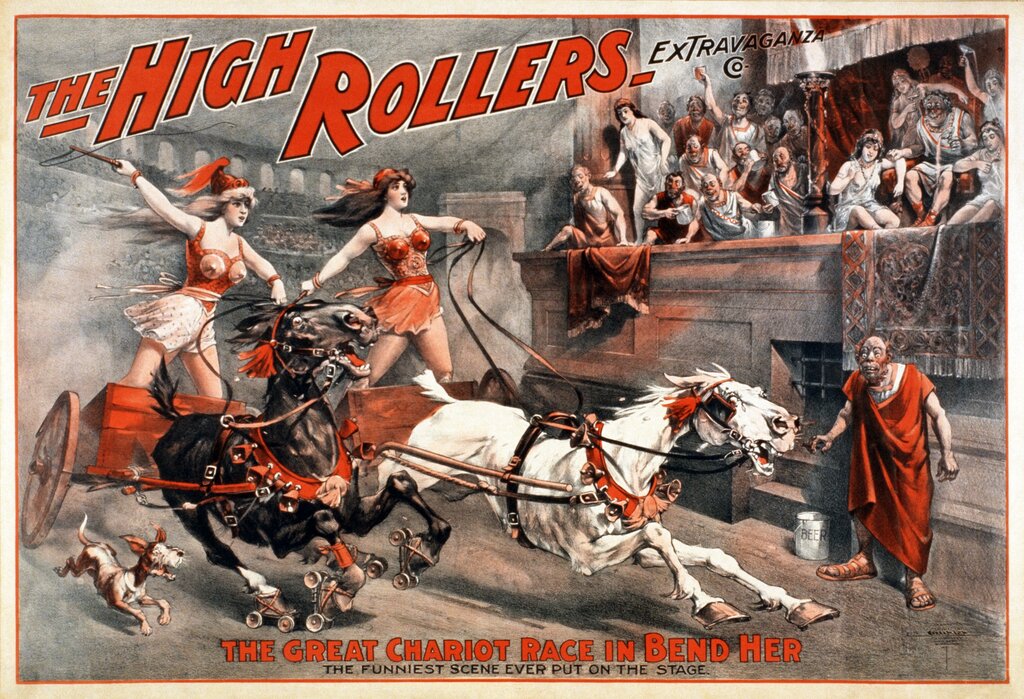
This professionalization extended to marketing. The Golden Age saw the rise of spectacular advertising posters. Using a new printing technique called chromolithography, these posters were vibrant, dramatic, and essential for filling thousand-seat theaters. They often depicted the magician in a larger-than-life manner, battling demons, catching bullets, or making elephants disappear. The poster became as much a part of the show as the trick itself.
Now, let's test your knowledge on this transformative era.
What was the primary shift in the public perception and role of a magician during the late 19th century?
Who is considered the key figure in transforming magic into a sophisticated art form by approaching it with a mechanic's precision?
The evolution from street performer to stage illusionist was a crucial step, establishing magic as a legitimate and highly technical art form. This period laid the groundwork for all the great magicians who would follow.