Seattle Water Heater and Boiler Permits
Introduction to Permitting Process
Getting Started with Permits
Before you can install a new 100-gallon water heater or boiler in Seattle, you need permission. This isn't just red tape; it's a process designed to make sure the work is done safely and correctly. A permit is an official approval from your local government authority to proceed with a construction or installation project. It certifies that your plans comply with building codes, zoning laws, and safety standards.
Think of it as a safety check. Improperly installed equipment, especially involving gas, electricity, and water pressure, can lead to fires, leaks, or even explosions. The permitting process ensures that a qualified professional reviews the plan and inspects the final work, protecting you, your property, and the community.
Who's in Charge?
In Seattle, you'll primarily deal with two government bodies when installing a large water heater or boiler. Each has a distinct role.
SDCI
noun
The Seattle Department of Construction and Inspections. This city-level agency is your main point of contact for permits related to building construction, land use, and mechanical systems like boilers.
The SDCI is focused on the structure itself. They review plans to ensure your project meets Seattle's specific building, mechanical, and energy codes. They handle the permits for the physical installation of the unit.
In Development Services, we review and issue permits for construction projects, like new houses, kitchen remodels or furnace installations, and land uses, like placing a school in a neighborhood or dividing a property into multiple parcels.
The second key authority is the Washington State Department of Labor & Industries (L&I). L&I oversees the licensing of contractors and the safety of trades like electrical and plumbing work across the state. While SDCI handles the permit for the boiler unit, any new electrical wiring will likely require a separate electrical permit from L&I. They ensure that the person doing the work is qualified and that the electrical and plumbing components are installed to state code.
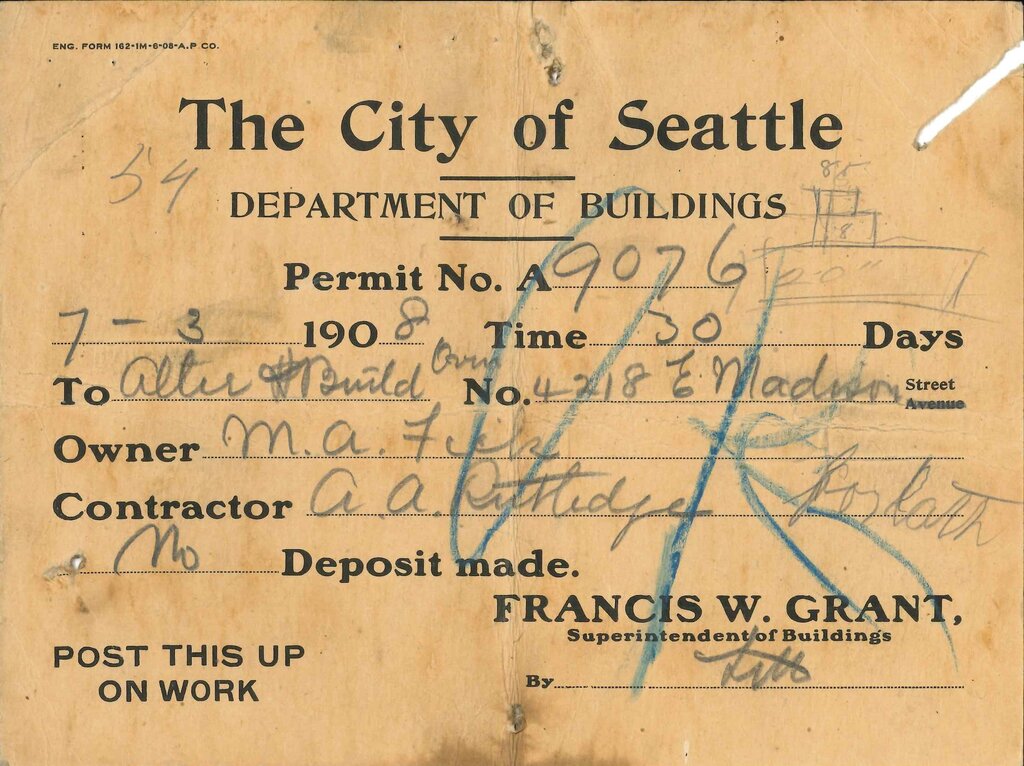
The Basic Steps
While specific requirements can vary, the permitting process generally follows a standard sequence. The goal is to move from a plan to a safe, approved installation.
First, you or your contractor will submit an application with detailed plans to the correct agency, usually SDCI for the unit itself. An examiner then reviews these plans to check for compliance with all relevant codes. Once the plans are approved, you pay the permit fees, which cover the cost of the review and inspections. With permit in hand, the work can begin. After the installation is complete, an inspector visits the site to ensure the work was done according to the approved plans and meets all safety standards. If it passes, the project is officially approved.
Code compliance is the most important part of the process. It's the ultimate goal of every step, from plan review to final inspection. Following the code isn't just about following rules; it's about ensuring the safety of your home and family.
This overview gives you a map of the road ahead. Knowing the key players and the general steps involved will help you navigate the process smoothly and successfully.