Seasonal Japanese Street and Izakaya Foods
Introduction to Japanese Culinary Seasons
Eating with the Calendar
In many parts of the world, you can buy strawberries in December or pumpkin in May. Modern shipping and farming have made most ingredients available year-round. But in Japan, the culinary clock is set to a different rhythm, one that follows the natural turn of the seasons.
This isn't just a quaint tradition; it's a core principle of Japanese food culture, known as washoku (和食). The goal is to eat foods when they are at their absolute peak of flavor and nutritional value. This peak time is called shun.
Shun
noun
The Japanese concept of seasonality, referring to the specific time of year when a particular food is at its freshest and most flavorful.
Think of it like a musician hitting the perfect note. An ingredient's shun is its moment to shine, and Japanese cuisine is all about capturing that moment.
A fundamental aspect of Washoku is its emphasis on Shun (旬), the concept of seasonality.
The Four Food Seasons
Japan's four distinct seasons each bring a different pantry of ingredients to the kitchen. This isn't just about what's available, but about matching the food to the feeling of the season.
Spring (Haru, 春) is a time of awakening. After the cold winter, the first signs of new life appear. The flavors are often slightly bitter and fresh, a taste said to cleanse the body. Think tender bamboo shoots (takenoko), crisp cabbage, and sweet strawberries.
Summer (Natsu, 夏) brings heat and humidity, so the food becomes cooling and light. It's the season for hydrating vegetables and fruits like cucumbers, tomatoes, eggplant, and watermelon. The focus is on dishes that refresh and replenish the body.
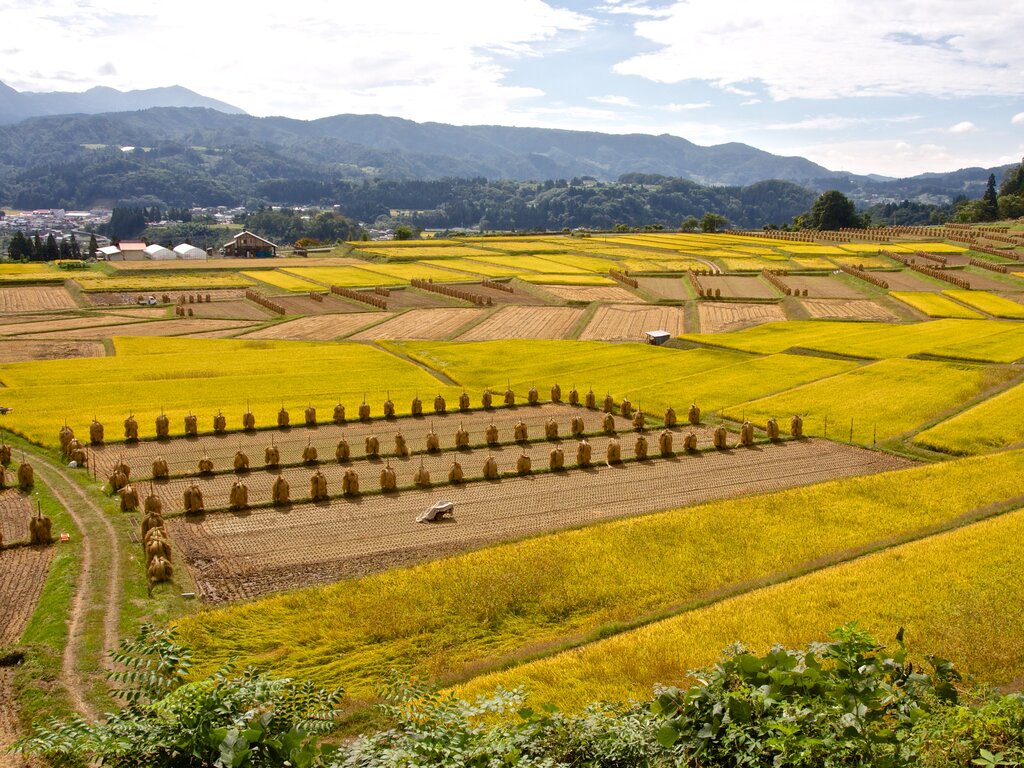
Autumn (Aki, 秋) is the harvest season, a time of abundance and richer flavors. The air cools, and the food becomes more hearty. This is the time for sweet potatoes, pumpkins, mushrooms, and seasonal fish that have fattened up for the winter. The flavors are deep and comforting.
Winter (Fuyu, 冬) is cold, and the cuisine turns to warming, nourishing meals. Root vegetables like daikon radish and carrots are at their sweetest after the first frost. Hearty hot pots and stews become staples, providing warmth from the inside out.
This cycle isn't just about taste. Eating seasonally connects people to the natural world and the passage of time.
Understanding shun is the first step to understanding Japanese food. It’s a philosophy that values freshness and simplicity, letting the ingredients speak for themselves. This respect for the seasons is the foundation for everything, from elegant multi-course meals to the casual bites you'll find in street stalls and local pubs.