Search Engine and Oboe App Deep Dive
Introduction to Search Engines
What Is a Search Engine?
A search engine is like the world's largest library, with a librarian who has read every book and knows exactly where to find any piece of information. When you type a question into a search box, you're asking this super-librarian to find the most relevant pages from billions of options, all in a fraction of a second.
At its core, a search engine is a software system designed to carry out web searches. It scours the internet in a systematic way for particular information specified in a textual web search query. The results are then presented in a line of results, often referred to as a search engine results page (SERP).
Taming the Wild Web
The early internet was a chaotic, disorganized place. Finding anything was difficult. The first tool to tackle this was Archie, created in 1990, which was simply a list of files available on public FTP sites. It wasn't a search engine as we know it today, but it was a start.
Throughout the 1990s, new search engines like WebCrawler, Lycos, and AltaVista appeared. They began creating indexes of web pages, making it possible to search for keywords. The real revolution came with Google, which introduced the idea of ranking pages based on how many other reputable pages linked to them, a concept called PageRank. This dramatically improved the quality of search results.
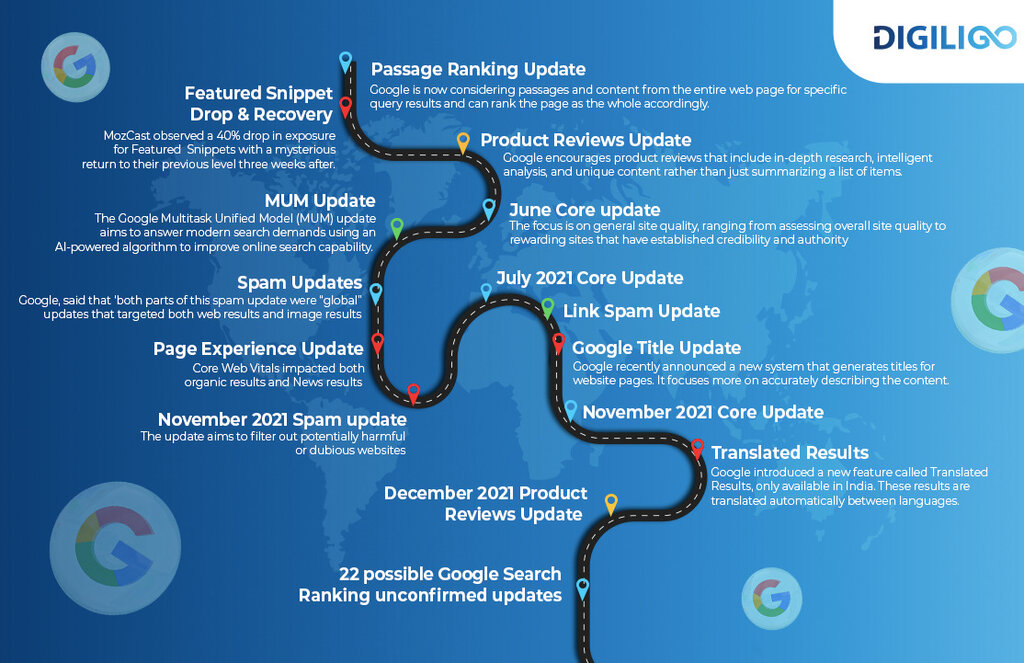
Today, search engines are powered by complex algorithms and artificial intelligence, constantly working to understand not just the words you type, but the actual intent behind your question.
Finding the Needle
So how does a search engine find a specific piece of information among trillions of web pages? It's a continuous, three-step process: crawling, indexing, and ranking.
First, search engines use automated programs called crawlers or spiders to travel the web. They start with a list of known web pages and follow the links on those pages to discover new ones. They move from link to link, constantly exploring and bringing back data about what they find.
crawler
noun
An internet bot that systematically browses the World Wide Web, typically for the purpose of web indexing.
Once a crawler finds a page, the search engine needs to understand what it's about. This is the indexing phase. The engine analyzes the content, including text, images, and videos, and stores this information in a massive database called an index. Think of it as a giant, digital card catalog for the entire internet. When you search, the engine isn't scouring the whole web in real-time; it's searching its own pre-sorted index, which is much faster.
Finally, when you enter a query, the search engine's algorithms sift through the index to find the best possible matches. This is the ranking step. The engine considers hundreds of factors to decide which pages are most relevant and authoritative for your specific question, and then presents them to you in a ranked order.