Sculpt Your Six-Pack Fast
Understanding Abdominal Anatomy
Your Core Muscles
When people talk about "abs," they're usually picturing the classic six-pack. But your abdomen is made up of several distinct muscle groups. Each has a specific job, and understanding them is the first step to building a strong, functional core. Think of them as a team working together to support your spine, allow movement, and protect your internal organs.
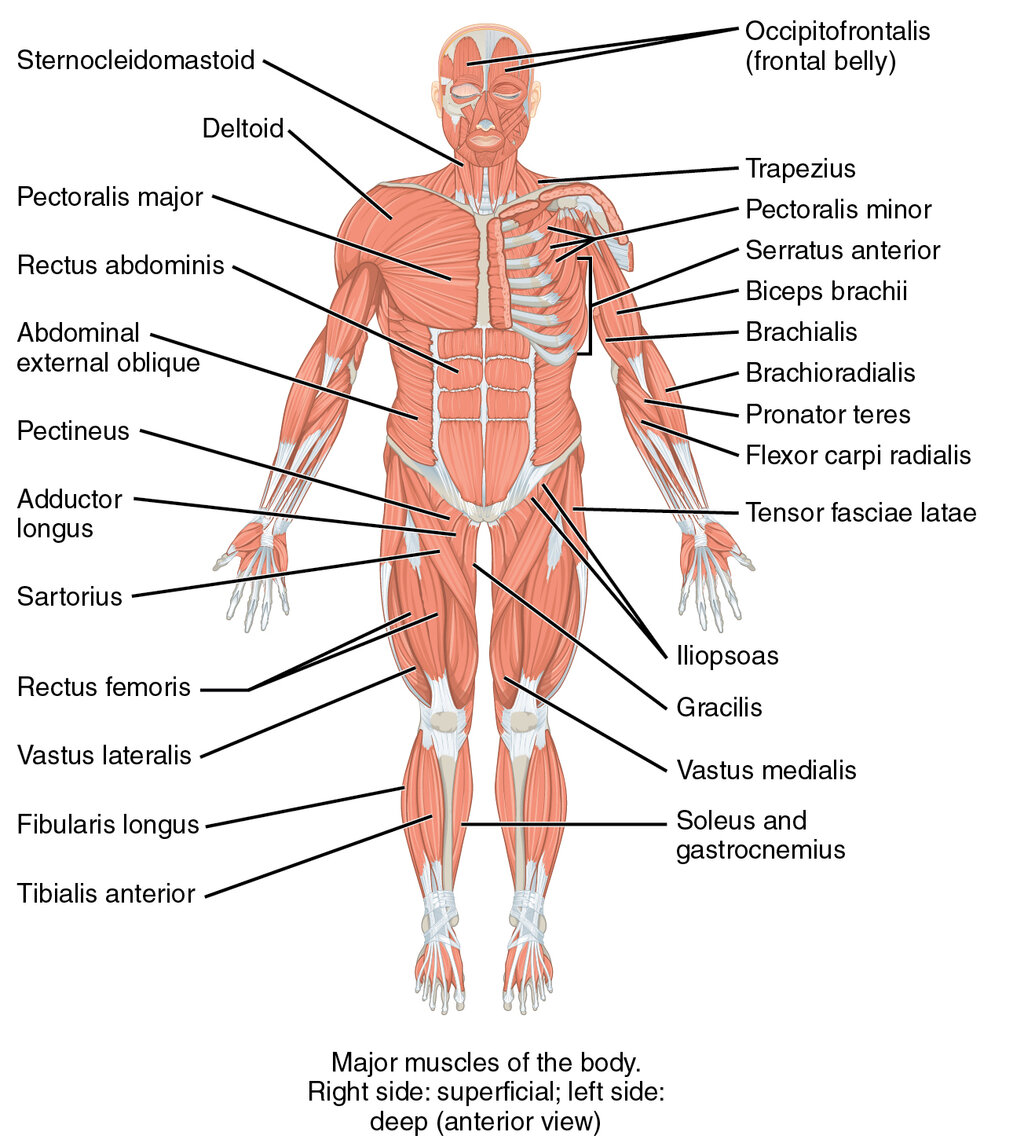
The Six-Pack Muscle
The muscle that creates the six-pack look is the rectus abdominis. It's a long, flat muscle that runs vertically from your pubic bone up to your ribcage. It's actually a single sheet of muscle on the left and another on the right.
The visible "packs" are not separate muscles. They're created by bands of connective tissue, called tendinous intersections, that cross the muscle horizontally.
The primary job of the rectus abdominis is to flex your lumbar spine. This is the motion you make when you do a crunch or sit-up, bringing your ribs and pelvis closer together. It also helps stabilize your pelvis when you walk or run.
Rectus Abdominis
noun
A paired muscle running vertically on each side of the anterior wall of the human abdomen.
The Rotational Muscles
On the sides of your torso, you have the obliques. They are crucial for twisting movements and bending side to side. There are two sets: the external obliques and the internal obliques.
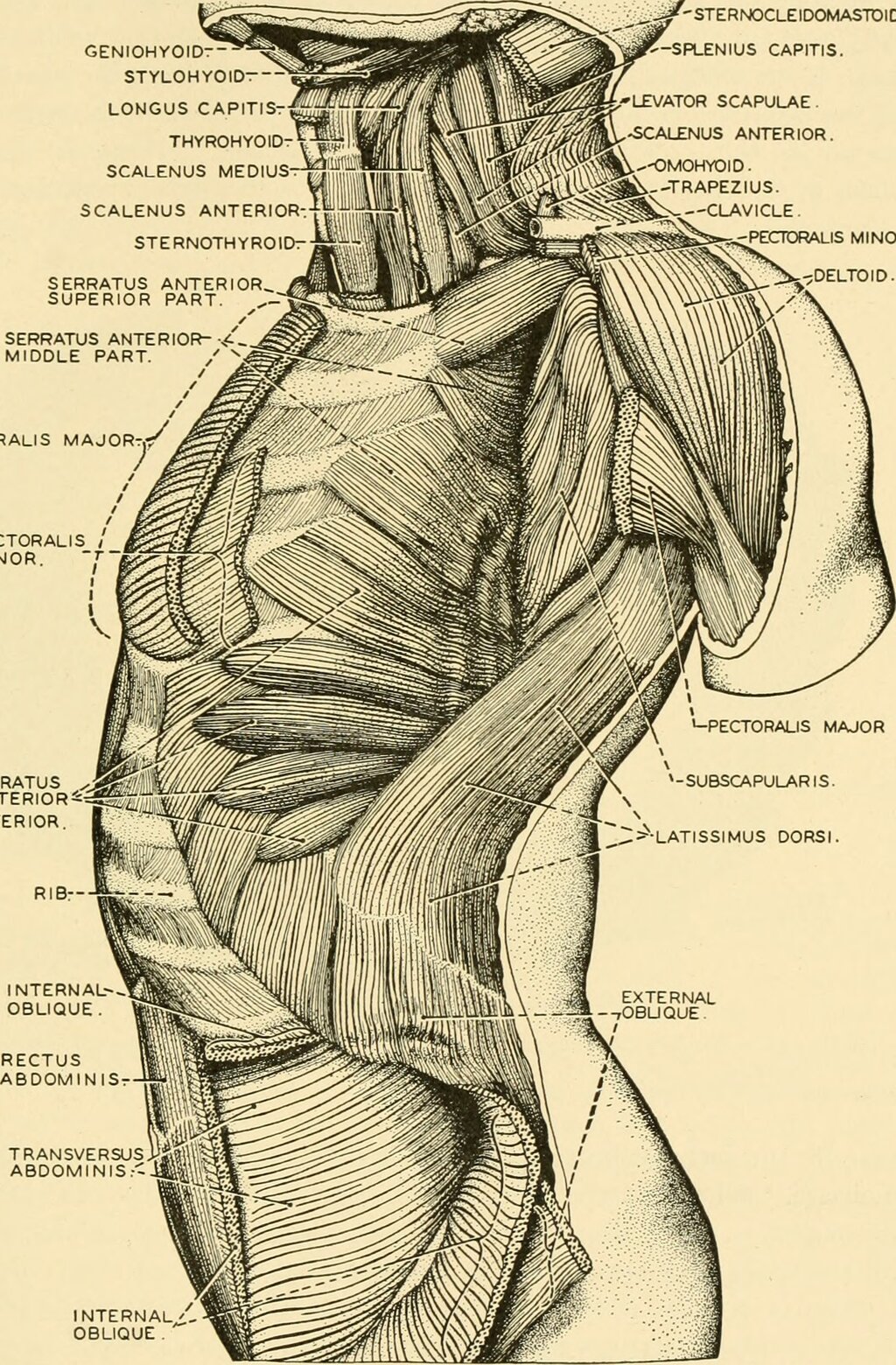
The external obliques are the more superficial of the two, located on the outer surface of the sides of the abdomen. The internal obliques lie just underneath them. They work together to help you rotate your trunk. For example, when you twist to your left, your right external oblique and your left internal oblique are contracting.
| Muscle | Location | Primary Action |
|---|---|---|
| External Obliques | Superficial, on the sides | Rotates trunk to opposite side |
| Internal Obliques | Deep, beneath external obliques | Rotates trunk to the same side |
Your Natural Corset
The deepest of all your abdominal muscles is the transverse abdominis. This muscle wraps around your torso from front to back, much like a corset or weight belt. You can't see it from the outside, but its role is arguably the most important for overall core health.
The exercise targets the deep core muscles, such as the transverse abdominis, multifidus, and pelvic floor.
The main function of the transverse abdominis isn't to create movement but to prevent it. It stabilizes your spine and pelvis, especially before you move your arms or legs. When you brace yourself to lift something heavy, you're engaging your transverse abdominis. A strong one provides a solid foundation for all movement and helps protect your lower back from injury.
Knowing these three main muscle groups, the rectus abdominis, the obliques, and the transverse abdominis, gives you a complete picture of your core. They all work together to provide strength, stability, and movement for your entire body.
Now, let's check your understanding of these core components.
Which abdominal muscle is primarily responsible for the visible 'six-pack' look?
The primary job of the rectus abdominis is to flex the lumbar spine (like in a crunch).
With this anatomical foundation, you can better understand how different movements challenge your core.