Scriptwriting Essentials
Introduction to Scriptwriting
The Blueprint of a Story
A screenplay, or script, is more than just a story. It’s a detailed blueprint that guides the entire production of a film, TV show, or video game. Think of it as a set of instructions for the director, actors, designers, and crew. Every visual, sound, and line of dialogue is laid out on the page, ensuring that everyone involved shares the same creative vision.
Without a script, the cast and crew would have no roadmap. It’s the foundational document that translates a writer's ideas into a tangible plan, allowing a massive team of artists and technicians to work together toward a single, coherent goal.
The Core Components
Every script is built from a few essential elements. Understanding them is the first step to reading and writing a screenplay. Let's break them down.
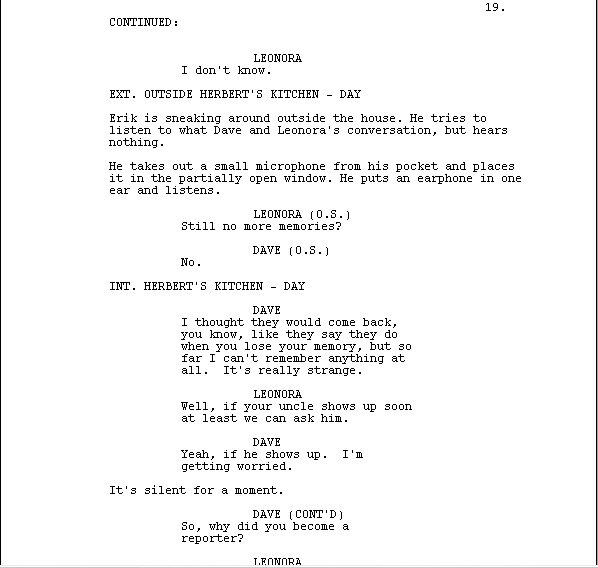
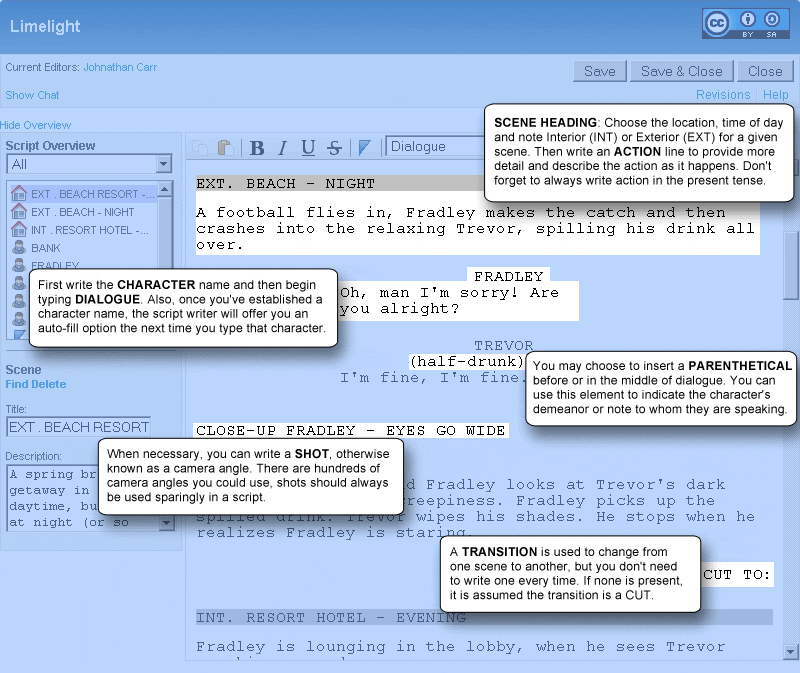
A Scene Heading (or slugline) tells us where and when the scene takes place. It has three parts: Interior/Exterior (INT./EXT.), the Location, and the Time of Day (DAY/NIGHT).
Example:
INT. COFFEE SHOP - DAY
Action Lines describe what the audience sees and hears. They are always written in the present tense and focus on physical actions and events. This isn't the place for a character's inner thoughts or feelings. If you can't see it or hear it, it doesn't belong in an action line.
Example:
Anna taps her fingers on the table, staring at the untouched coffee in front of her. The bell above the door jingles.
The final two components work as a pair. The Character Name appears in all caps above their line of Dialogue, which is the words they speak. This clear separation makes the script easy for actors to read and follow during rehearsals and performances.
Why Formatting Matters
Script formatting isn't about arbitrary rules. It's a universal language that industry professionals understand. Standard formatting ensures that a script is easy to read and helps estimate its screen time. In fact, one properly formatted page roughly equals one minute of film.
This timing rule of thumb is why the specific font, margins, and spacing are so important. Sticking to the standard shows professionalism and makes it easier for producers and directors to evaluate your work.
| Element | Standard Format |
|---|---|
| Font | 12-point Courier |
| Top Margin | 1 inch |
| Bottom Margin | 1 inch |
| Left Margin | 1.5 inches |
| Right Margin | 1 inch |
Now that you know the basics, let's test your knowledge.
What is the primary function of a screenplay?
Which of the following should be included in an action line?
Mastering these foundational elements is the first step toward bringing your own stories to the screen.