Scriptural Foundations of Fatherhood
God as Archetype
The Divine Blueprint
To understand fatherhood, we must look beyond cultural examples and personal experiences to its ontological source. The concept of God as Father isn't just a metaphor; it's presented as the archetype—the original pattern from which all earthly fatherhood derives its meaning. This framework suggests that a father's identity is rooted not in what he does, but in whom he reflects.
Archetype
noun
An original pattern or model from which all other things of the same kind are copied or on which they are based; a model or first form; prototype.
This archetypal understanding is deeply embedded in the language of scripture. The New Testament introduces a radical intimacy in addressing God through the Aramaic word 'Abba.' While God was understood as a father to Israel in a national sense, Jesus used 'Abba' to signify a deeply personal and familial relationship, a term of affectionate trust.
Father
This contrasts with the more common Greek term, 'Patēr' (Πατήρ), which also means father but often carries connotations of origin, authority, and lineage. The fusion of 'Abba's' intimacy with 'Patēr's' authority creates a complex and complete picture. The divine Father is both the approachable, loving parent and the ultimate source of all authority and being.
Attributes of the Archetype
Three core attributes flow from this divine pattern: provision, protection, and presence. These are not merely actions but expressions of God's essential character. Divine provision is more than material sustenance; it is the giving of identity and purpose. Protection extends beyond physical safety to safeguarding spiritual and moral integrity. Presence is the model for consistent, unwavering emotional and spiritual availability.
This divine model also holds a perfect tension between grace and justice. Grace is the unmerited favor and love a father bestows, while justice is the commitment to truth, discipline, and moral order. An earthly father operating from this archetype doesn't choose between being loving or being firm; he understands both are essential aspects of the same paternal character, reflecting the God who is both just and merciful.
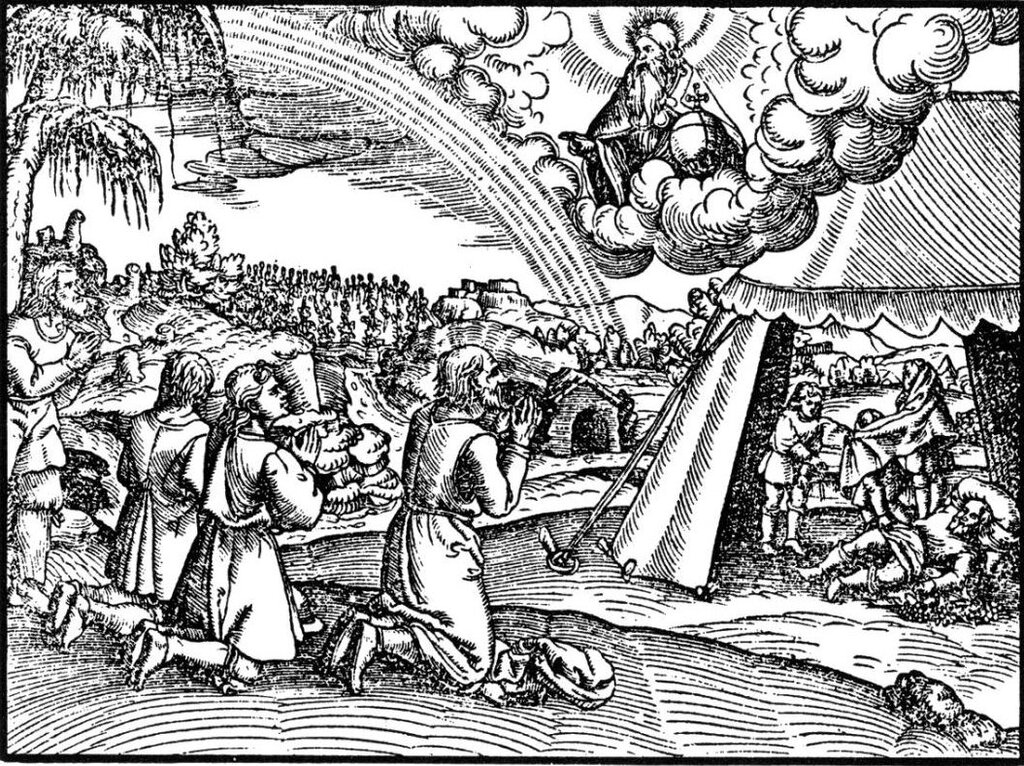
The dynamic between the Father and the Son, articulated within the Nicene framework, further clarifies this archetype. The Father eternally begets the Son, sharing the same divine essence without diminishing His own. This isn't a relationship of temporal sequence but of eternal relation. The Father is the 'unoriginate source' from which the Son and Spirit proceed, establishing a model of leadership that is generative and life-giving, not domineering.
The power and monarchy of the Father lies precisely in the fact that he shares the totality of his essence and power with the Son and the Holy Spirit.
The Imago Dei at Home
How does this lofty theology translate into daily life? The principle of Imago Dei—being made in the image of God—provides the bridge. For a father, this means his role in the domestic sphere is to be a living icon of the divine Father. His authority is not his own; it is a derived stewardship meant to reflect God's own benevolent authority.
In practical terms, this transforms fatherhood from a job into a vocation. It means leading with sacrificial love, establishing a home culture of grace and accountability, and guiding children toward truth. This leadership isn't about control, but about cultivating an environment where family members can flourish, just as all creation flourishes under the authority of God. Every act of guidance, discipline, and affection becomes an opportunity to reflect the ultimate Father.
The fatherhood of God is the basis for all earthly authority. It sets the standard that authority should be creative, restorative, and aimed at the well-being of others.
Understanding God as the archetype of fatherhood provides a stable, transcendent reference point. It anchors a man's identity as a father not in his own strength or failures, but in the perfect pattern of the One from whom all fatherhood is named.
According to the provided framework, earthly fatherhood derives its ultimate meaning and identity from:
The use of the Aramaic word 'Abba' in the New Testament signifies a relationship with God characterized primarily by: