Screenplay Fundamentals
Screenplay Basics
The Blueprint of a Story
A screenplay is more than just a story; it's a technical document, a blueprint for a film. Before a single scene is shot, the screenplay provides the essential structure for directors, actors, and the production crew. To communicate ideas clearly to everyone involved, screenplays follow a strict, standardized format.
A script/screenplay provides the backbone of an entire production – it gives a film structure and makes people’s jobs a lot easier and allows ideas to be conveyed easily.
This isn't just about making the page look neat. The specific formatting creates a common language for filmmakers. It also serves a practical purpose: one page of a properly formatted screenplay roughly translates to one minute of screen time. This helps producers estimate the final film's length and budget.
The industry standard is 12-point Courier font. Why this specific, typewriter-style font? Because it's monospaced, meaning every character takes up the same amount of horizontal space. This consistency is what makes the one-page-per-minute rule work.
| Element | Standard |
|---|---|
| Font | 12-point Courier |
| Top/Bottom Margins | 1 inch |
| Left Margin | 1.5 inches |
| Right Margin | 0.5 to 1 inch |
| Pacing Guideline | 1 page ≈ 1 minute |
Setting the Scene
Every scene in a screenplay begins with a scene heading, also known as a slug line. This one-line description tells the reader where and when the scene is taking place. It's written in all capital letters and is crucial for orienting the production team.
slug line
noun
A line of text in a screenplay, written in all caps, that indicates the location and time of day of a scene.
A slug line has three parts:
- INT. or EXT.: This abbreviation stands for "Interior" or "Exterior," telling us if the scene is indoors or outdoors.
- LOCATION: This is the specific place where the scene happens, like
DINER,BEACH, orSPACESHIP BRIDGE. - TIME OF DAY: This is usually simple, like
DAYorNIGHT. You can also be more specific with terms likeSUNSETorLATERif it's important to the story.
INT. APARTMENT - NIGHT
The Three-Act Structure
Beyond the on-the-page formatting, screenplays also have a common narrative structure. The most widely used is the three-act structure, a model that divides the story into a beginning, a middle, and an end.
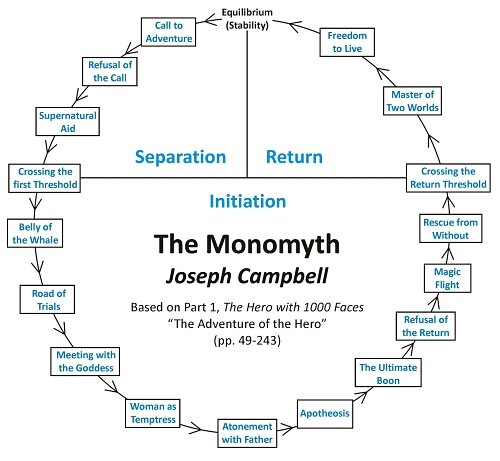
This framework provides a basic rhythm for the plot, helping to build tension and keep the audience engaged. Each act serves a different purpose in moving the story forward.
Act I: The Setup This is the beginning of the story, typically taking up the first 25% of the screenplay. Here, you introduce the main characters, establish the world they live in, and present the inciting incident—an event that disrupts the protagonist's ordinary life and launches them into the main story.
Act II: The Confrontation This is the middle and longest part of the story, making up about 50% of the script. The protagonist actively pursues their goal, but faces a series of escalating obstacles and conflicts. This is where the story's main tension builds as the stakes get higher.
Act III: The Resolution In the final 25% of the screenplay, the story reaches its climax. This is the ultimate showdown where the protagonist confronts the main conflict head-on. The story then moves to its resolution, where the conflicts are resolved and a new normal is established for the characters.
The three-act structure isn't a rigid formula, but a flexible guide. It helps ensure a story has a satisfying progression with a clear beginning, middle, and end.
Understanding these foundational elements—proper formatting, clear scene headings, and a solid three-act structure—is the first step in learning to read and write screenplays like a professional.