Scorekeeping Basics
Introduction to Scorekeeping
The Scorekeeper's Role
At its heart, scorekeeping is about telling the story of a game. A scorekeeper is the official historian, recording every crucial action as it happens. Think of them as a court reporter for the field or court. Their job is to create an accurate, unbiased record of events that everyone—players, coaches, and fans—can trust.
Accuracy is everything. The scorekeeper’s record is the final word on who won and lost. It’s also the source for player statistics, tracking their performance over a season. Impartiality is just as critical. A scorekeeper must record what happens without any favoritism, ensuring the integrity of the game.
The primary responsibility is simple: watch the game closely and record the official score and statistics.
Tools of the Trade
You don't need much to get started. The most essential piece of equipment is the official scorebook or scoresheet for the sport you're covering. This is where you'll log all the game's information. A good pen or pencil that won't smudge is also a must-have. Many scorekeepers bring a few in different colors to make notes or corrections clearer.
Depending on the sport, you might also need a stopwatch or timer to track game time, periods, or timeouts. While digital apps for scorekeeping exist, understanding how to use a traditional paper scorebook is a fundamental skill.
The Language of Scoring
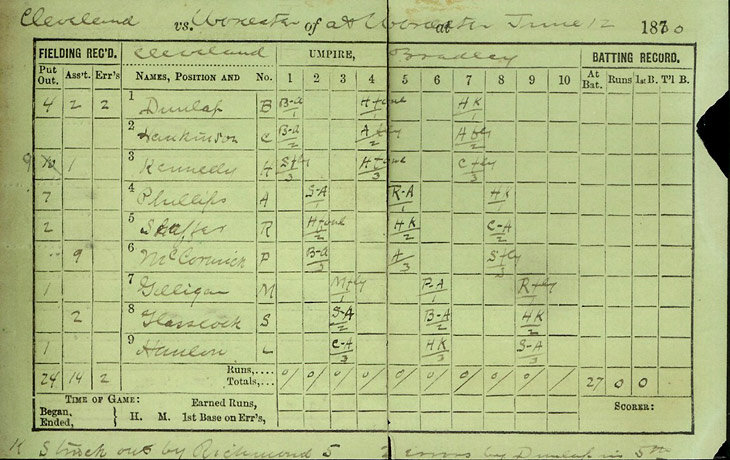
Games move fast, so scorekeepers use a system of shorthand with symbols and abbreviations to keep up. This allows them to record complex actions quickly and efficiently. Each sport has its own unique set of symbols, but the underlying principle is the same: simplify and standardize information.
Learning this shorthand is like learning a new language. At first, it might seem cryptic, but with practice, it becomes second nature. These symbols ensure that any other scorekeeper can pick up your scoresheet and understand the story of the game exactly as it unfolded.
| Symbol/Abbreviation | Meaning | When to Use |
|---|---|---|
| P | Point | When a team scores a single point. |
| F | Foul | When a player commits a foul. |
| T/O | Timeout | When a team calls a timeout. |
| SUB | Substitution | When one player replaces another. |
| Q1, Q2... | Quarter 1, 2... | To mark the beginning of a new period. |
| H1, H2 | Half 1, 2 | To mark the beginning of a new half. |
Now that you have a grasp of the fundamentals, let's test your knowledge.
What are the two most critical qualities of a scorekeeper, as emphasized in their role as the game's official historian?
According to the text, what is the single most essential piece of equipment for a scorekeeper?
With these basics in mind, you're ready to start observing games from a new perspective—that of the person who keeps the official record.