Score Cheaper Flights
Understanding Airfare Pricing
Why Airfare Prices Change
Have you ever looked up a flight, checked back an hour later, and seen a different price? It’s not your imagination. Airfare pricing is one of the most dynamic markets in the world, with prices that can change by the minute. This isn't random; it's a carefully managed system driven by one of the oldest rules in economics: supply and demand.
The supply is relatively fixed. An airline has a set number of seats on any given flight. The demand, however, is constantly changing. Airlines use complex algorithms to predict how many people will want to fly on a specific route at a specific time and adjust prices accordingly. Think of it like a seesaw. When demand goes up, prices rise. When demand falls, prices drop to entice more buyers.
The Power of Demand
Demand is the primary driver of airfare costs. A flight to a popular beach destination during spring break will cost more than the exact same flight in the middle of October. Why? Because more people want to go.
Major events can cause prices to skyrocket. Think about flights to the city hosting the Super Bowl or the Olympics. Holidays and school vacations also create predictable surges in travel. Business travel plays a role too, with flights on Monday mornings and Friday afternoons often being more expensive due to corporate travelers.
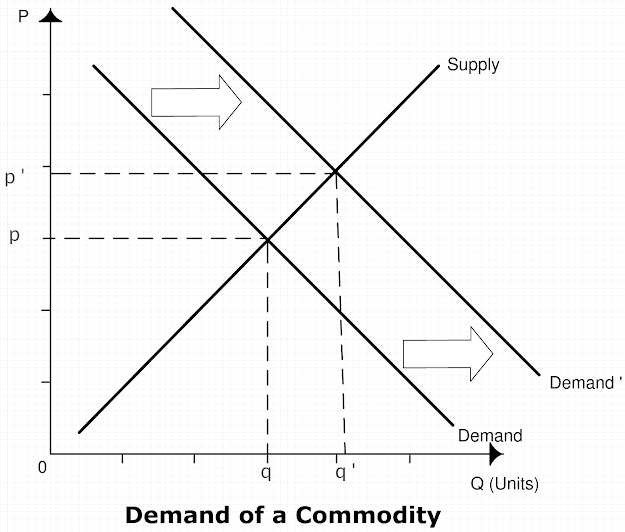
Airlines are constantly trying to forecast this demand. They look at historical booking data, school calendars, local events, and even general economic trends to predict who will want to fly where, and when. The earlier you book, the more uncertainty there is about final demand, which is why last-minute tickets are often, but not always, the most expensive.
Seasonal Tides
Travel demand ebbs and flows with the seasons. Summer is peak season for travel to Europe and many parts of North America, leading to higher prices. The winter holidays, from Thanksgiving through New Year's, are another notoriously expensive time to fly.
Conversely, traveling during the “off-season” can unlock significant savings. A trip to Paris in February will likely be much cheaper than the same trip in July. The periods between these peaks, often called “shoulder seasons” (like spring and fall), can offer a sweet spot of pleasant weather and more reasonable fares.
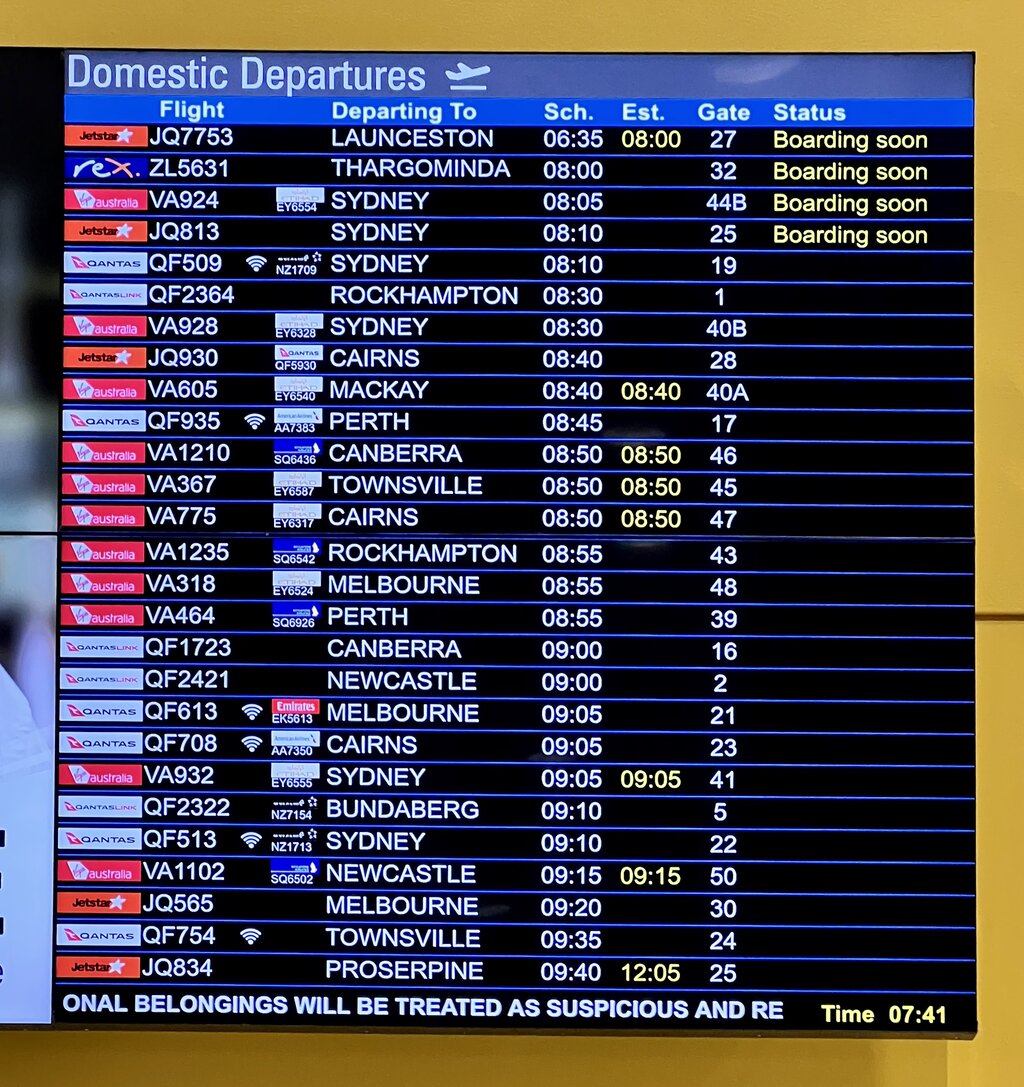
Airline Pricing Strategies
Airlines don’t just set one price for all the seats on a plane. They practice what's known as yield management. The goal is to maximize the revenue, or yield, from each flight. To do this, they divide the seats into different price categories, known as fare classes or buckets.
Imagine a flight has 150 seats. The airline might offer the first 10 seats at a very low price to attract early bookers. Once those are sold, the next 20 seats are released at a slightly higher price. This continues, with each successive bucket of seats becoming more expensive. The last few seats, often bought by business travelers or those with urgent needs, are sold at the highest price.
This is why two people sitting next to each other on a flight could have paid vastly different amounts for their tickets. One may have booked months in advance, snagging a seat from a cheap fare bucket, while the other booked just days before departure.
This dynamic pricing model means the cost of flights fluctuates based on demand, time of year, and other factors.
Competition also plays a huge role. On a popular route served by multiple airlines, like New York to Los Angeles, carriers must compete on price. This keeps fares lower. But if an airline has a monopoly on a route to a smaller city, they can charge more because travelers have no other options.
Other factors like fuel costs, airport taxes, and labor expenses form a baseline cost, but it's the interplay of demand and airline strategy that creates the final price you see.
What is the primary reason airfare prices change so frequently?
The practice of selling seats on the same flight for different prices based on when they are purchased is known as: