Score 165+ on the GRE
GRE Overview
Understanding the GRE
The Graduate Record Examinations (GRE) General Test is a standardized exam often required for admission to graduate programs. It's designed to measure skills that have been developed over a long period and are not specific to any single field of study. Think of it as a broad assessment of your readiness for graduate-level work.
Familiarize Yourself with the Official GRE Format
The test is divided into three main scored sections: Analytical Writing, Verbal Reasoning, and Quantitative Reasoning. Your performance on these sections gives admissions committees a common data point for comparing applicants from different backgrounds.
The Three Sections
Each section of the GRE tests a different set of skills. Let's break down what to expect from each one.
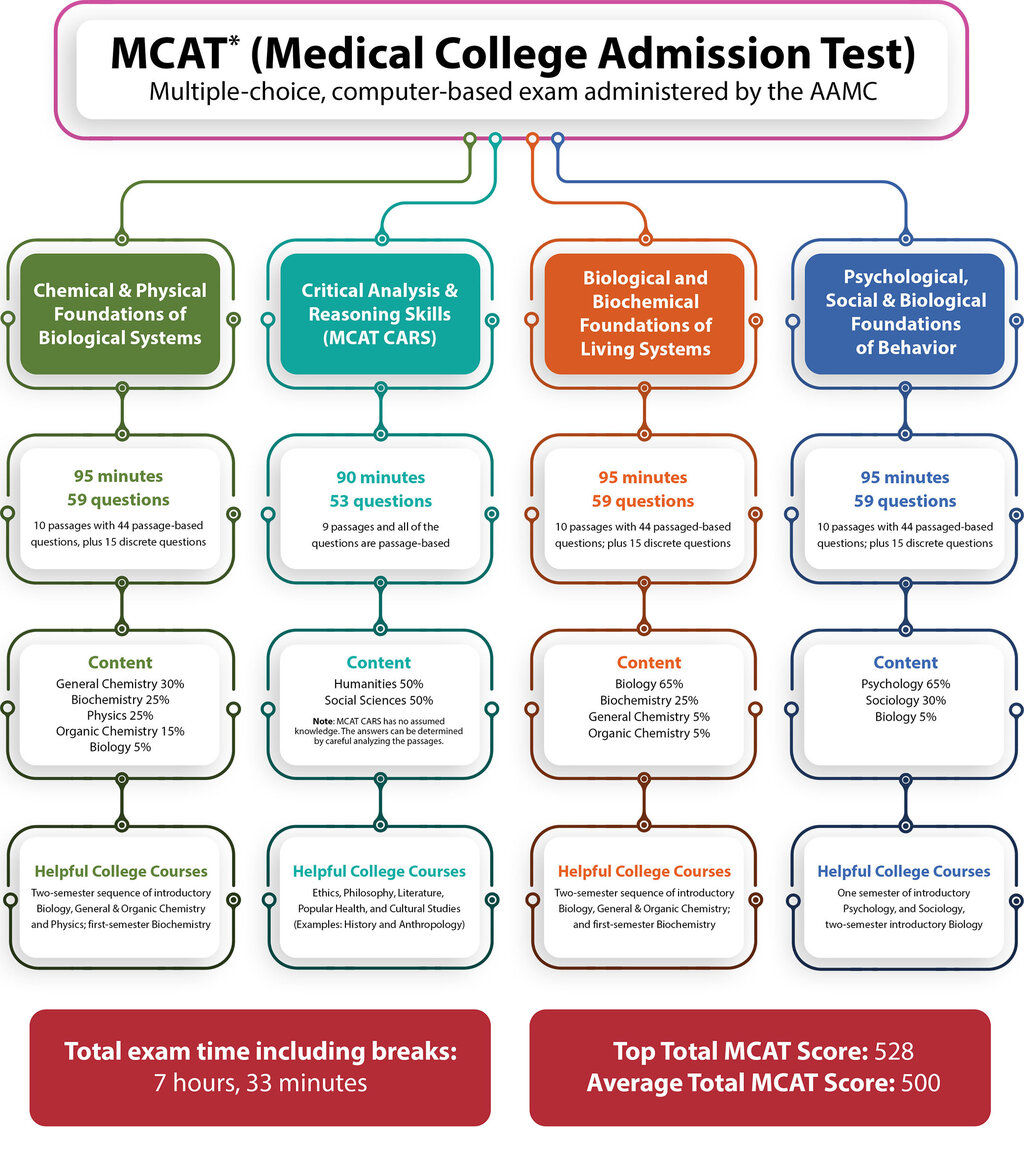
Analytical Writing This section measures your ability to articulate complex ideas clearly and effectively. You'll write two essays, each with a 30-minute time limit. One task asks you to analyze an issue and take a position, while the other asks you to evaluate an argument.
Verbal Reasoning Here, the focus is on your ability to analyze and draw conclusions from written material, understand multiple levels of meaning, and recognize relationships between words and concepts. This section includes question types like Reading Comprehension, Text Completion, and Sentence Equivalence. You'll typically encounter two scored Verbal Reasoning sections.
Quantitative Reasoning This part assesses your basic mathematical skills and your ability to reason quantitatively and solve problems. The questions cover fundamental concepts from arithmetic, algebra, geometry, and data analysis. You don't need advanced math, just a solid understanding of foundational principles. You'll also have two scored Quantitative Reasoning sections and access to an on-screen calculator.
Scoring and Structure
Understanding how the GRE is structured and scored helps demystify the test-taking experience. The exam is not just a straightforward series of questions; it has some unique features.
| Section | Score Range | Number of Scored Sections |
|---|---|---|
| Analytical Writing | 0–6 (in half-point increments) | 1 (with two tasks) |
| Verbal Reasoning | 130–170 (in one-point increments) | 2 |
| Quantitative Reasoning | 130–170 (in one-point increments) | 2 |
One key feature of the computer-delivered GRE is that it's section-level adaptive. This means your performance on the first Verbal and Quantitative sections determines the difficulty level of the second sections you receive. Doing well on the first section of each type will lead to a more challenging second section, which gives you the opportunity to earn a higher score.
Setting Your Goals
Before you start studying, it's essential to set a realistic score goal. What's a "good" score depends entirely on the programs you're applying to. Highly competitive Ph.D. programs will have different expectations than a master's program in a less quantitative field.
Start by researching the average GRE scores of admitted students for each program on your list. This information is often available on the program's admissions website. Aim for a score at or slightly above the average for your target schools. This gives you a clear benchmark to work toward and helps you focus your preparation where it's needed most.
What is the primary purpose of the GRE General Test?
If a test-taker performs exceptionally well on their first Verbal Reasoning section, what will likely happen next?