Science Technology and Society
Introduction to Science, Technology, and Society
A Three-Way Conversation
Science, Technology, and Society, or STS, is the study of how science and technology shape our world, and how our world, in turn, shapes them. It’s less about the technical details of a circuit board and more about the reasons that circuit board was invented, who has access to it, and how it changes the way we live and work.
The relationship between science, technology, and society is not a simple, linear one.
Think of it as a constant conversation. A scientific discovery might lead to a new technology. That technology then enters society, changing laws, creating jobs, and altering social norms. Society's values and needs then influence what kind of science gets funded and what technologies are developed next. STS is an interdisciplinary field that listens in on this conversation, drawing on history, sociology, philosophy, and more to understand the full picture.
interdisciplinary
adjective
Involving two or more academic, scientific, or artistic disciplines.
A Field with a History
The formal study of STS began to take shape in the mid-20th century. Before then, many people saw science and technology as separate from society, following a straight path of inevitable progress. But major global events, particularly World War II, changed that perspective. The development of technologies like the atomic bomb made it impossible to ignore the profound social and ethical dimensions of scientific work.
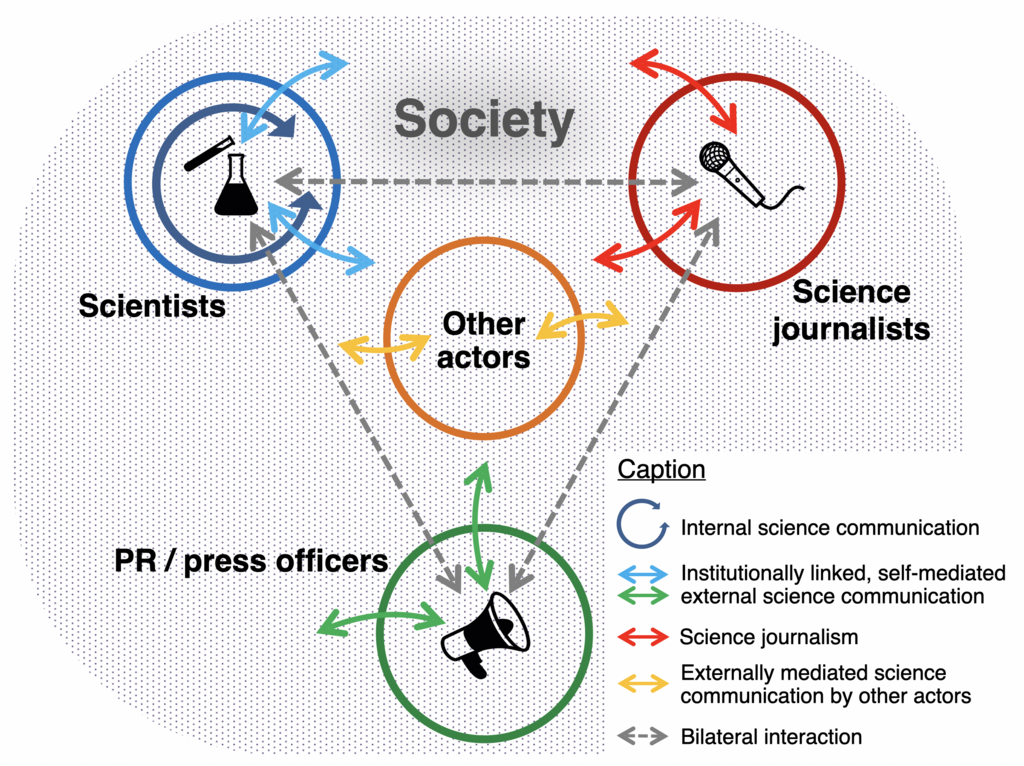
Scholars started asking critical questions. Who decides what research gets funded? How does a scientific theory become an accepted "fact"? They realized that science doesn't happen in a vacuum. It is a human activity, influenced by funding, politics, and culture. A key shift came with the idea of "scientific revolutions," which showed that science doesn't just add new facts to old ones. Sometimes, whole worldviews are overthrown, a process deeply influenced by the scientific community itself.
How STS Thinks
To untangle these complex relationships, STS scholars use several key theories and methods. They don't just accept technology as a given; they unpack how it came to be.
One core idea is the Social Construction of Technology (SCOT). This approach argues that a technology’s success or failure isn’t just about how well it works. Different social groups have different needs and ideas, and they all pull the technology in different directions. The final design is often a compromise.
Another powerful idea is Actor-Network Theory (ANT). This theory suggests that to understand how science is made, you have to look at the entire network of actors involved. And crucially, these "actors" aren't just humans. They can also be non-human things like lab equipment, funding grants, scientific articles, or even the organisms being studied. A successful scientific project is one where a researcher manages to align all these different human and non-human actors into a stable, functioning network.
By using these and other tools, like historical research and observing scientists at work, STS helps us see the hidden social forces that steer the course of science and technology.
Now, let's test your understanding of these foundational concepts.
What is the primary focus of the field of Science, Technology, and Society (STS)?
Which historical event was a major catalyst for the formal development of STS as an academic field, highlighting the profound social and ethical dimensions of science?
Understanding these core ideas provides a framework for analyzing the complex ways science, technology, and society influence one another.