Science of Abdominal Fat Loss
Hormonal Fat Regulation
The Hormone Factor
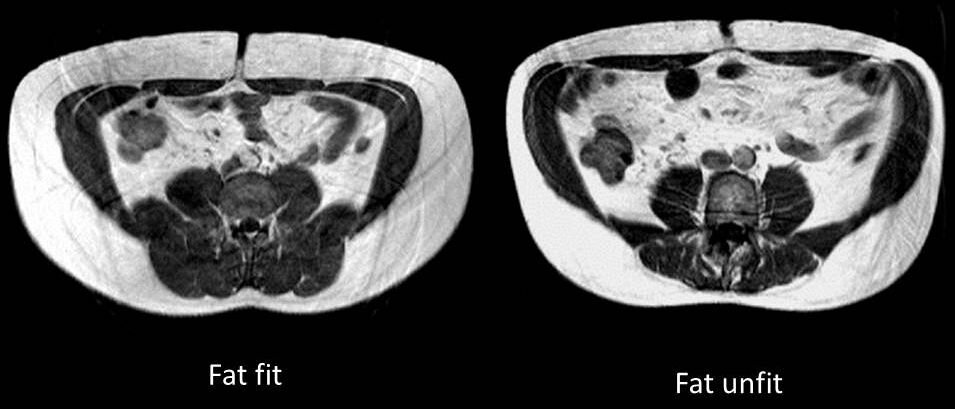
Not all body fat is the same. The soft fat just under the skin is called subcutaneous fat. While you might not like its appearance, it's relatively harmless from a health perspective. The real trouble comes from visceral fat, the deeper fat that surrounds your internal organs like the liver, stomach, and intestines.
Visceral fat isn't just a passive storage depot. It's metabolically active, functioning almost like an endocrine organ itself. It releases inflammatory proteins and fatty acids directly into the bloodstream, increasing the risk for serious health issues like type 2 diabetes and heart disease. Understanding what drives its accumulation is key to managing it.
Insulin's Storage Signal
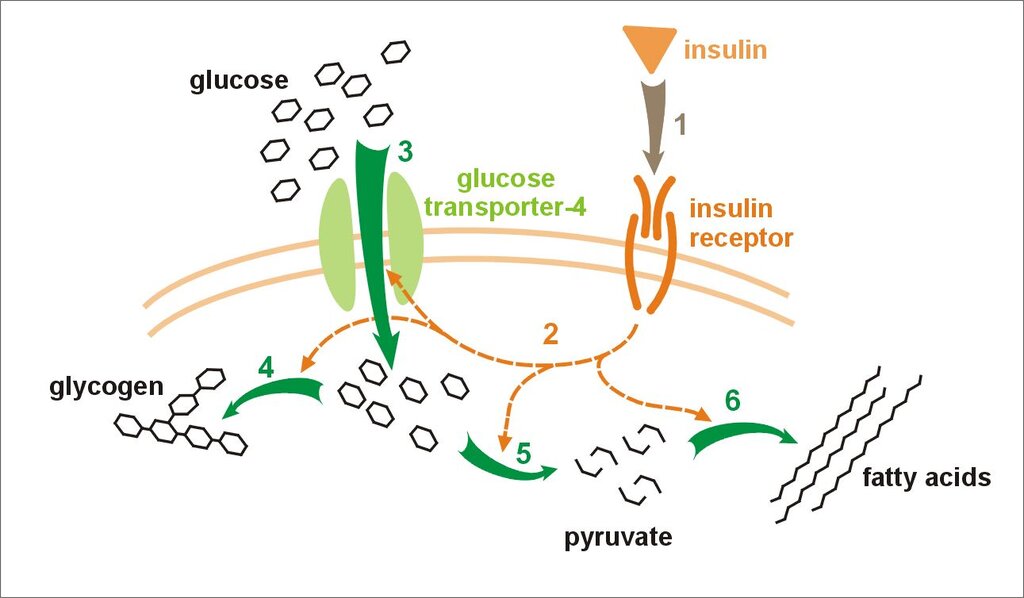
Insulin's primary job is to manage blood sugar. After you eat carbohydrates, your pancreas releases insulin to help shuttle glucose from your blood into your cells for energy. When this system works well, blood sugar stays stable.
However, a diet high in processed carbohydrates can lead to chronically high blood sugar, forcing the pancreas to pump out more and more insulin. Over time, your cells can become less responsive to insulin's signal—a condition known as insulin resistance. The pancreas compensates by producing even more insulin, leading to a state of chronic hyperinsulinemia (high insulin levels).
As a storage hormone, high levels of insulin send a powerful signal to the body: store energy. It promotes the conversion of excess glucose into fat and prevents the breakdown of existing fat. This effect is particularly pronounced in the abdominal area, directly contributing to visceral adiposity and creating a difficult cycle to break.
Cortisol and Stress
Cortisol is your body's main stress hormone. It's part of the fight-or-flight response, designed to give you a quick burst of energy to handle a threat. It does this by raising your blood sugar, providing ready fuel for your muscles. In the short term, this is a lifesaver.
When stress becomes chronic—from work deadlines, lack of sleep, or emotional strain—cortisol levels can remain persistently high. This is where belly fat comes in. Fat cells in the abdominal region have a higher concentration of glucocorticoid receptors than fat cells elsewhere in the body. These receptors are what cortisol binds to in order to exert its effects.
More cortisol receptors in your belly fat mean that when you're stressed, your abdomen is uniquely primed to store fat.
This creates a potent 'cortisol-insulin axis.' Chronic stress keeps cortisol elevated, which continually tells your liver to release glucose. This rise in blood sugar triggers an insulin release. The combination of high cortisol and high insulin creates a perfect biochemical storm for storing fat, specifically in the visceral depots around your organs. This entire process is managed by the hypothalamic-pituitary-adrenal axis, or HPA axis, your body's central stress response system.
Since cortisol counters the effects of insulin on glucose metabolism, chronically elevated levels of cortisol can lead to persistent elevations in blood sugar (hyperglycemia) that can contribute to increased abdominal (visceral) fat, metabolic syndrome, and type 2 diabetes over time.
Leptin and the Vicious Cycle
Leptin is the hormone of satiety. Produced by your fat cells, it travels to your brain to signal that you're full and have enough energy stored. It essentially tells your brain to stop eating and to burn calories at a normal rate.
However, just as cells can become resistant to insulin, the brain can become resistant to leptin. With high levels of visceral fat, your body produces a lot of leptin. Eventually, the brain starts to ignore the signal. In this state of leptin resistance, your brain doesn't receive the 'fullness' message. It mistakenly thinks the body is starving.
In response, your brain triggers mechanisms to conserve energy. Your metabolic rate slows down, and you feel hungrier. This creates a powerful drive to eat more while your body is simultaneously trying to burn less, making fat loss incredibly difficult. Chronic inflammation from visceral fat and high insulin levels are both thought to contribute significantly to this leptin resistance, locking you into a cycle of fat storage.
Now, let's test your understanding of how these hormonal systems interact.
What is the key difference between visceral fat and subcutaneous fat from a health perspective?
A diet high in processed carbohydrates can lead to a condition of chronically high insulin levels. What is this state called?
By understanding these hormonal drivers, you can shift your focus from simply counting calories to creating a biological environment that favors fat loss and metabolic health.