Science Headlines Fact Check
Understanding Scientific Abstracts
The Abstract: A Study's Elevator Pitch
A scientific paper can be long and dense. Before you commit to reading the whole thing, you need a quick summary. That's the job of the abstract.
Think of it as a movie trailer. It gives you the plot, highlights the key moments, and helps you decide if you want to watch the full film. It’s a powerful tool for quickly understanding what a study is about and whether it’s relevant to you.
Abstract
noun
A brief, comprehensive summary of the contents of a research article.
Reading the abstract first is a huge time saver. It lets you sift through dozens of studies to find the ones that truly matter for your question. It provides a framework for understanding the full article if you do decide to dive in.
The abstract is your gateway to the research paper.
Anatomy of an Abstract
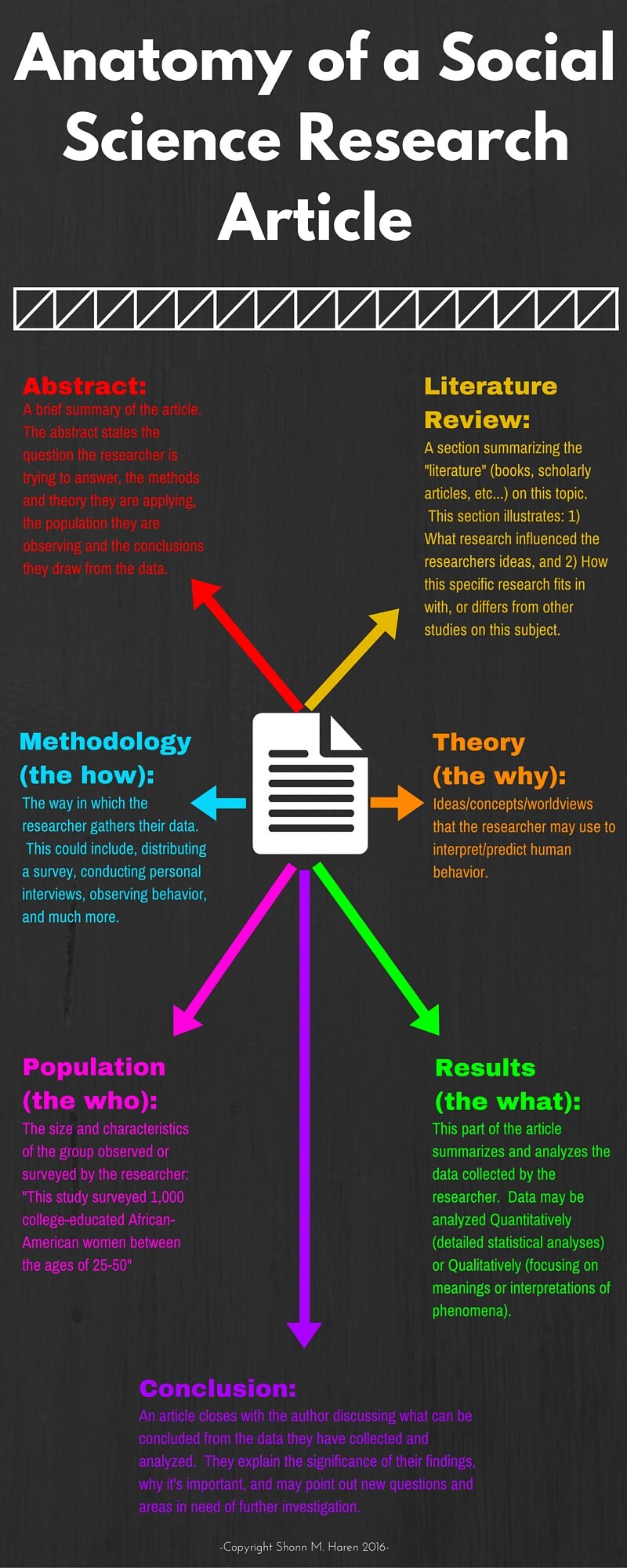
Most scientific abstracts follow a predictable structure. They are usually a single paragraph and contain distinct parts that answer specific questions. While the exact labels may vary, they almost always cover the same core components.
Let’s break these down.
-
Background: This sets the stage. It briefly introduces the problem or topic and explains why it's important. It answers the question, “Why does this research matter?”
-
Objectives: This is the study's goal, stated clearly and concisely. It might be framed as a question, a hypothesis to be tested, or a purpose statement. It answers, “What did the researchers want to find out?”
-
Methods: This section describes how the study was conducted. It mentions the study design, the participants or subjects, and what measurements were taken. It’s a very brief summary of the “how.”
-
Results: Here, the authors present the key findings of the study. This section is all about the data, usually presented without interpretation. It will often include numbers, statistics, and the most significant outcomes.
-
Conclusion: This final part explains the implications of the findings. It answers, “What do the results mean?” and sometimes suggests what should happen next. This is where the authors interpret their data and state the main takeaway message.
Putting It Into Practice
When you read an abstract, you're on a fact-finding mission. You want to quickly assess the study's relevance and quality. Is this study about the population you care about? Did it measure the outcome you're interested in? Does the conclusion seem to logically follow from the results?
A good abstract provides a clear, honest summary. It doesn't overstate the findings or make sensational claims. The confidence of the conclusion should match the strength of the evidence presented in the results.
Be critical. If the conclusion seems too good to be true, it might be. For example, if a study on five people claims to have found a cure for a major disease, the abstract should tell you the sample size was small. A quick scan of the methods and results sections of the abstract helps you keep the conclusion in perspective.
Learning to read an abstract is a fundamental skill for navigating health information. It empowers you to look past headlines and evaluate the science for yourself.
Now, let's test your understanding of what makes up a scientific abstract.
What is the primary purpose of a scientific abstract?
Which section of an abstract would answer the question, “What did the researchers want to find out?”