Science-Based Cricket Performance Training
Foundations of Sports Science
The Science of Movement
Sports science is all about understanding how the human body performs and finding ways to improve that performance safely and effectively. It's not about magic formulas, but about applying principles from different fields of study. We'll start with the physics of how we move, a field called biomechanics.
Biomechanics
noun
The study of the mechanical laws relating to the movement or structure of living organisms.
Think of your body as a machine. Your bones are levers, your joints are pivots, and your muscles create the force to make everything move. Biomechanics looks at how these parts work together. By analyzing an athlete's technique—like the angle of a knee in a squat or the arc of a tennis swing—coaches can identify inefficiencies. Correcting these small details can lead to huge gains in power, speed, and endurance, all while reducing the risk of injury.
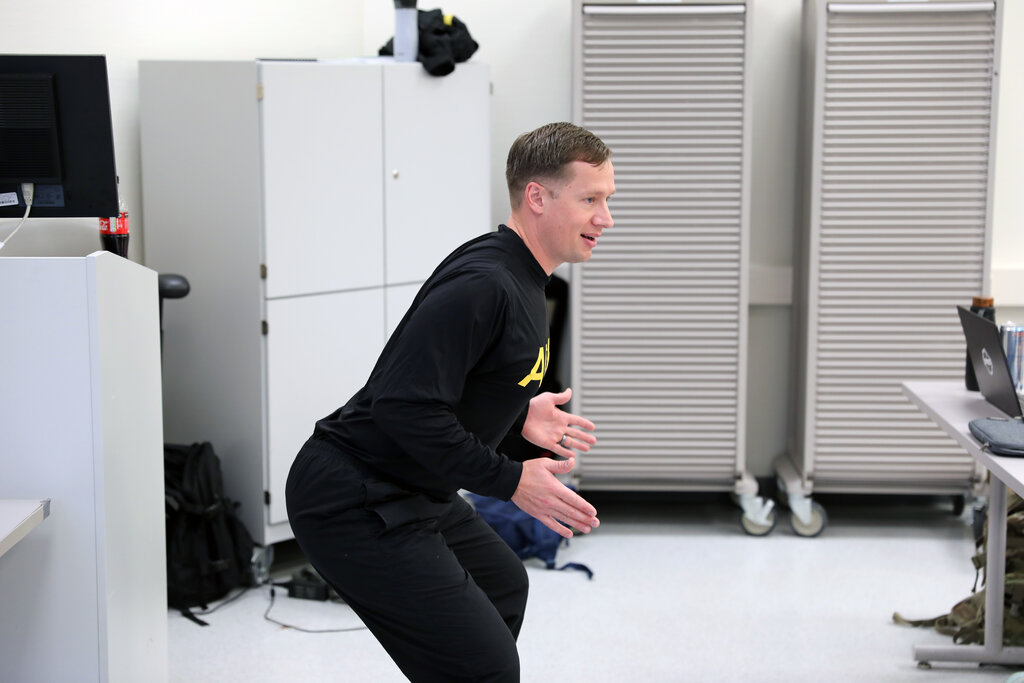
Understanding biomechanics helps an athlete move smarter, not just harder.
Your Body's Engine
If biomechanics is the study of the body's structure, physiology is the study of its engine. Exercise physiology looks at how the body responds and adapts to physical stress. When you train, you're sending signals to your body to get stronger, faster, and more efficient.
At the core of this are your energy systems. Your body has different ways of producing the energy needed to power muscle contractions. We can group them into two main categories: anaerobic and aerobic.
| System | Intensity | Duration | Primary Fuel | Example |
|---|---|---|---|---|
| Anaerobic | High | Short (< 2 min) | Carbohydrates | 100-meter sprint |
| Aerobic | Low to Moderate | Long (> 2 min) | Carbs & Fats | Marathon running |
Anaerobic means "without oxygen." These are your explosive, short-burst activities. Your body burns readily available energy for quick, powerful movements. Aerobic, or "with oxygen," activities are sustained for longer periods. Your cardiovascular system delivers oxygen to your muscles to help them generate energy continuously.
Most sports involve a mix of both systems. A soccer player sprints (anaerobic) but also jogs for 90 minutes (aerobic). Effective training programs develop both systems to match the demands of the sport.
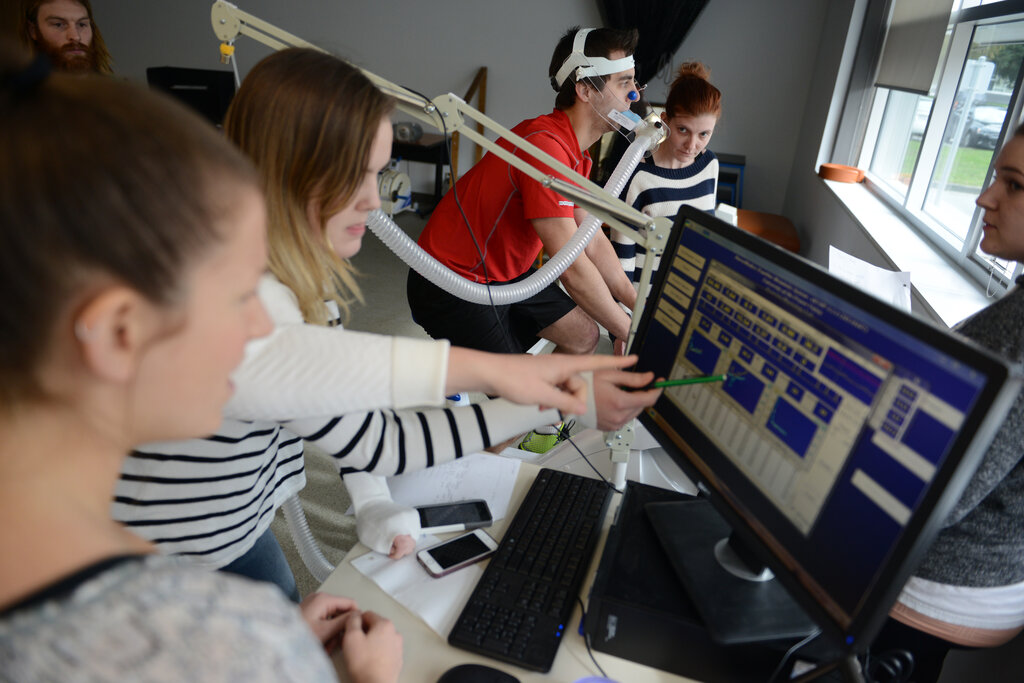
The fundamental principle of training is adaptation. The body gets stronger by recovering from the stress of exercise.
Fueling for Performance
Your body's engine can't run without the right fuel. That's where nutrition comes in. What you eat directly impacts your energy levels, recovery, and overall performance. The main sources of fuel are the three macronutrients: carbohydrates, proteins, and fats.
- Carbohydrates are the body's preferred source of energy for high-intensity exercise. Think of them as the high-octane gasoline that fuels sprints and jumps.
- Proteins are the building blocks. After you train, protein helps repair the microscopic damage done to your muscles, allowing them to rebuild stronger.
- Fats are crucial for long-term health, hormone production, and as an energy source for lower-intensity, long-duration activities like hiking or jogging.
A balanced diet tailored to an athlete's training load is just as important as the training itself. You can't out-train a bad diet.
Biomechanics, physiology, and nutrition are the three pillars of sports science. By understanding how they work together, we can create training programs that are not only effective but also sustainable and safe for the athlete.
What is the primary focus of biomechanics in sports science?
A 100-meter dash, an explosive and short-duration event, primarily relies on which energy system?