Schore's Insights for AEDP
Schore's Core Concepts
The Right Brain's Silent Reign
For much of modern psychology, the left brain got all the attention. It's the hemisphere of language, logic, and linear thinking—the parts of ourselves we can easily describe. But psychoanalyst Allan Schore shifted the focus, arguing that the right brain is the true seat of our emotional and social selves. It's where the story of who we are begins.
The right hemisphere develops more rapidly than the left during the first few years of life. This is no accident. It specializes in processing the world holistically, intuitively, and non-verbally. It reads faces, interprets tone of voice, and understands social cues. It’s the brain of emotion, relationship, and the body. Schore proposes that this early-developing system forms the very foundation of the human mind.
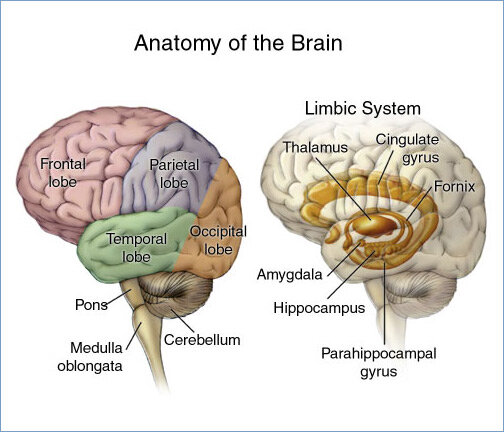
This leads to a radical reinterpretation of a classic psychological concept: the unconscious. Instead of being a purely abstract idea, Schore situates the unconscious firmly within the neurobiology of the right hemisphere. Its non-verbal, rapid, and holistic processing is the machinery of the unconscious mind. The gut feelings, implicit memories, and automatic emotional reactions that guide so much of our behavior originate here.
For Schore, the unconscious isn't just a psychological concept; it has a physical home in the right hemisphere of the brain.
Wiring for Connection
Our brains are not built in isolation. They are wired through relationships, especially the primary one between an infant and their caregiver. Schore's most influential idea is the concept of "right-brain-to-right-brain communication." This is the bedrock of attachment.
An infant can't understand words, but their right brain is exquisitely tuned to the caregiver's right brain. Through eye contact, facial expressions, vocal tone, and gentle touch, the caregiver communicates safety, love, and regulation. The infant's brain, in turn, syncs up with the caregiver's emotional state. This non-verbal dialogue is a form of psychobiological attunement where two nervous systems become coupled.
This ongoing relational dance literally shapes the child's brain. A well-attuned caregiver helps the infant manage intense emotions like fear and excitement. Over time, these external regulations are internalized, building the neural circuits for self-regulation. This forms the core of a person's lifelong capacity to manage stress and form healthy relationships.
The self, in Schore's view, emerges from these interactions. A secure attachment, built on countless moments of right-brain attunement, fosters a coherent and resilient personality. The person develops a sense that they are seen, understood, and valuable. In contrast, chronic misattunement or trauma can disrupt this process, impacting personality development and predisposing an individual to psychological difficulties later in life. The earliest relational experiences, stored as implicit memories in the right brain, become the template for our future selves.
According to Allan Schore, which function is primarily associated with the right brain hemisphere, especially in early development?
How does Schore's theory redefine the concept of the 'unconscious'?