School Management Systems Explained
Introduction to School Management Systems
What Is a School Management System?
Not too long ago, running a school involved mountains of paperwork. Student records were kept in bulky filing cabinets, attendance was taken in paper registers, and report cards were written by hand. Communicating with parents meant sending notes home in backpacks, hoping they’d make it.
A School Management System, or SMS, is software that changes all of that. It’s a unified platform designed to handle a school's daily administrative and academic operations. Think of it as the digital backbone of the institution. Its main purpose is to centralize information, automate repetitive tasks, and streamline communication among students, parents, teachers, and administrators.
The goal is simple: reduce the time spent on logistics so that more time can be spent on education.
From Filing Cabinets to the Cloud
The journey from paper to software wasn't instantaneous. Early systems were often just simple databases stored on a single computer in the main office. They were a step up from paper, but access was limited, and the features were basic.
With the rise of the internet, these systems moved online. Suddenly, administrators could access information from different computers within the school. This was a major improvement, but the real transformation came with cloud-based systems.
Today’s modern SMS platforms live in the cloud, meaning authorized users can access them securely from anywhere, on any device. This shift made information instantly available, paving the way for real-time updates on grades, attendance, and school announcements.
Why SMS Matters Today
In a modern educational environment, an SMS is no longer a luxury—it's essential. The benefits go far beyond just saving paper.
First, it drives efficiency. Tasks like creating timetables, tracking attendance, and managing admissions are automated. This frees up teachers and administrative staff to focus on more important, student-facing activities.
Second, it enables data-driven decisions. With all student data in one place, school leaders can easily track academic performance, spot trends, and identify students who might need extra support. Instead of guessing, they can use concrete data to improve educational outcomes.
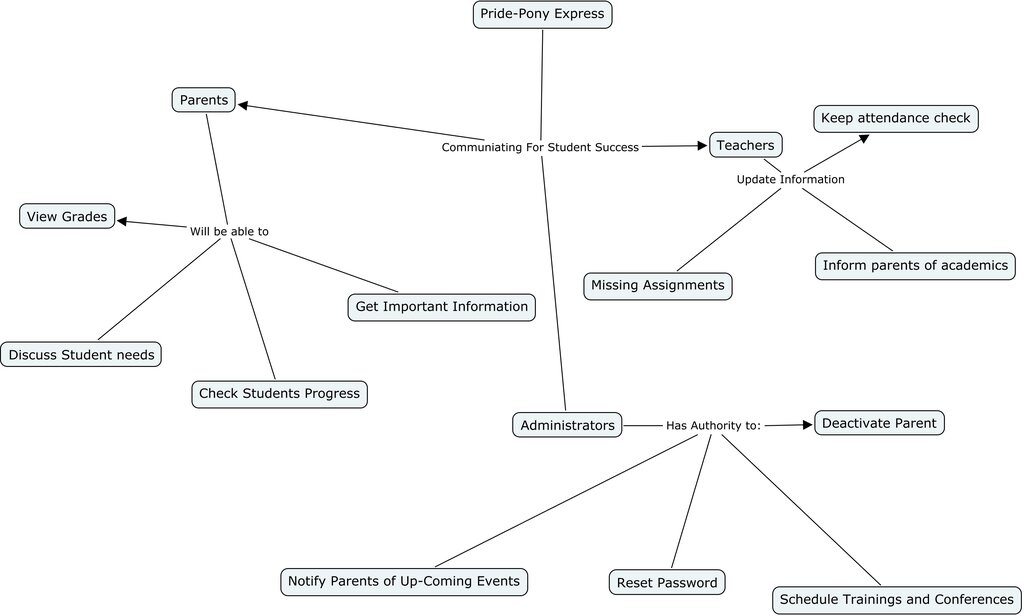
Finally, it builds a stronger school community. Integrated portals and messaging tools create a direct line of communication between the school and home. Parents can log in to see their child’s grades, attendance, and upcoming assignments, making them more active partners in their child's education.
A Quick Tour of Key Features
While different systems offer different features, most are built around a core set of modules designed to manage specific aspects of the school. Here are a few of the most common functionalities you'll find.
| Module | Primary Function |
|---|---|
| Student Information System | Manages student profiles, enrollment, demographics, and contact details. |
| Academic Management | Handles everything related to academics, like grading, attendance, timetables, and exams. |
| Communication Portal | Provides secure messaging and access for parents and students to view progress and announcements. |
| Financial Management | Manages fee collection, payroll, and other school-related financial transactions. |
| Library Management | Tracks the borrowing and returning of books and other media resources. |
These components work together to create a single, comprehensive system. Now that you understand the basics, let's test your knowledge.
What is the primary purpose of a School Management System (SMS)?
What was the key technological shift that allowed SMS platforms to become accessible from anywhere on any device?
Understanding what a School Management System is and why it's important provides a foundation for exploring how each of its parts helps a school run smoothly.