School Lunch Programs Explained
Origins of School Lunch Programs
The First Lunches
The idea of feeding children at school didn't start with a government program. It began much earlier, with local charities recognizing a simple, powerful truth: a hungry child cannot learn. One of the earliest known efforts was in New York City in 1853. The Children's Aid Society started serving meals to students at its vocational schools. These weren't public schools in the modern sense, but institutions designed to teach poor and orphaned children a trade.
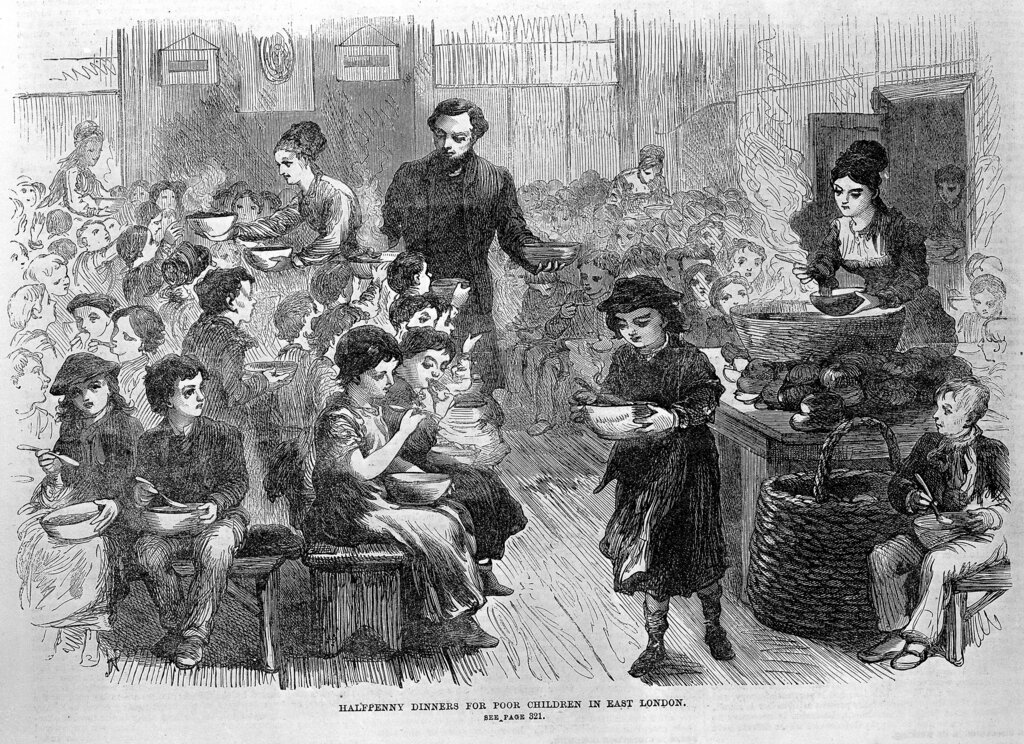
The idea was revolutionary for its time. It treated hunger not just as a matter of charity, but as a direct barrier to education and opportunity. The focus was practical: give children the energy they need to master a skill and build a better life.
An Idea Spreads
By the turn of the 20th century, other cities were following suit. In Boston and Philadelphia, volunteer groups and social reformers launched their own school lunch programs. These initiatives were often run by women's organizations and settlement houses, which were deeply embedded in immigrant and working-class communities.
They didn't just provide food; they aimed to teach nutrition and hygiene. The Starr Center Association in Philadelphia, for example, began offering penny lunches in 1909. They made sure meals were not only affordable but also nourishing, a stark contrast to the often inadequate diets of poor urban children.
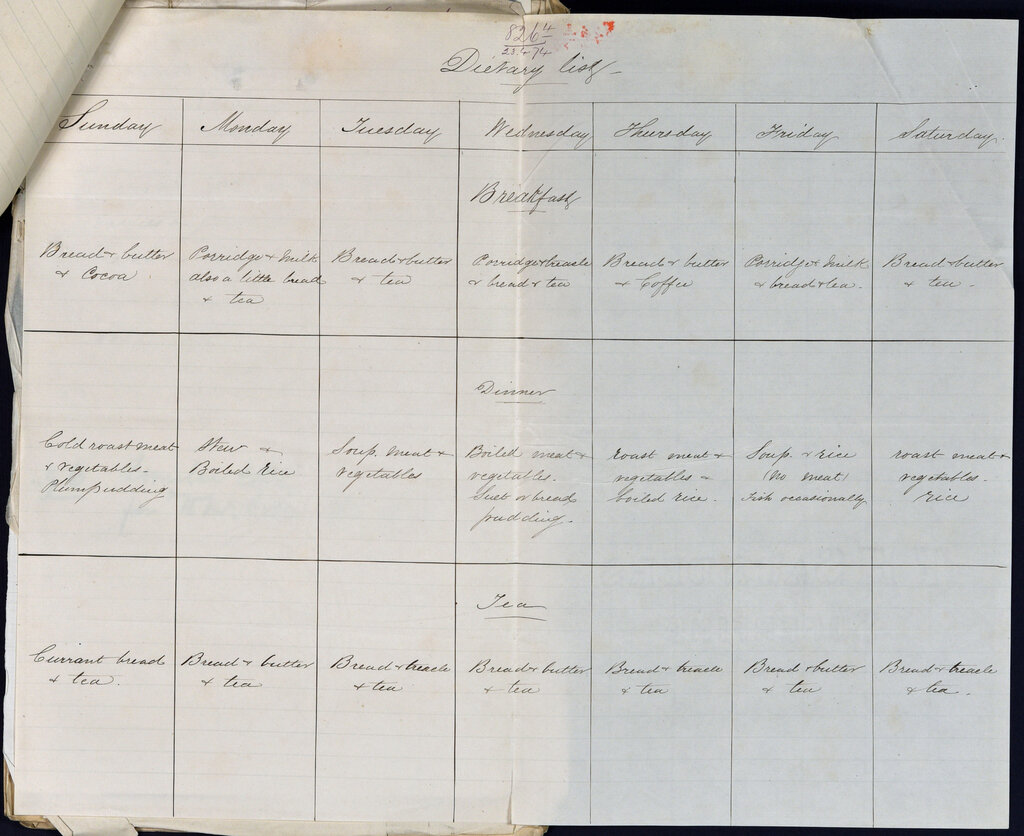
Boston's school lunch program, started in the 1890s, also relied heavily on volunteers. Women would prepare food in centralized kitchens and deliver it to schools. These early programs were a patchwork of local efforts, driven by community leaders who saw a need and stepped up to fill it.
Growing Pains
Despite their success, these early programs faced significant challenges. They depended entirely on charitable donations and volunteer labor, which meant they were often inconsistent and couldn't reach every child in need. A dip in donations could mean shutting down a kitchen. There weren't enough volunteers to serve every school in a growing city.
The core problem became clear: charity alone was not enough to solve a problem as widespread as childhood hunger.
As more people recognized the link between nutrition and learning, the conversation began to shift. Educators, doctors, and social reformers argued that feeding hungry students was a public responsibility, not just a private one. They saw that a well-fed student was more attentive in class and less likely to miss school due to illness. The small, scattered programs in cities like New York, Boston, and Philadelphia had proven the concept. Now, advocates started to wonder how this success could be scaled up to help children across the entire country. This growing awareness laid the groundwork for a more centralized, government-supported approach to school nutrition.
Let's review the key players and places from this early period.
Now, check your understanding of these early efforts.
In which city did one of the earliest known school meal efforts in the U.S. take place in 1853?
What was the primary philosophy behind the very first school lunch initiatives?
These initial, localized efforts demonstrated a powerful idea and set the stage for the national programs that would follow.