School Aquaponics Systems Explained
Introduction to Aquaponics
What is Aquaponics?
At its heart, aquaponics is a smart way to grow food by copying a natural cycle. It combines two different methods: aquaculture, which is the farming of fish, and hydroponics, which is growing plants without soil. Together, they create a single, self-sustaining system.
In an aquaponics system, fish and vegetables are grown in a sustainable closed-loop system.
The idea isn't entirely new. Ancient civilizations, like the Aztecs in what is now Mexico, grew crops on floating rafts in lakes, a system that shared principles with modern aquaponics. However, the science and application of these systems have been refined significantly in recent decades, making them more efficient and accessible than ever.
A Natural Cycle
So how does it work? It's all about a simple, powerful partnership between three key players: fish, bacteria, and plants.
- Fish produce waste. Just like any animal, fish release waste that is rich in ammonia. In a regular fish tank, this ammonia can build up and become toxic.
- Bacteria convert the waste. This is where the magic happens. Beneficial bacteria that live in the system convert the toxic ammonia into nitrates.
- Plants use the nitrates. The water, now full of nitrates, is pumped to the plants. For plants, nitrates are a perfect fertilizer. They absorb these nutrients, which helps them grow strong and healthy.
As the plants absorb the nitrates, they clean the water. This clean water is then sent back to the fish tank, and the cycle begins again.
In this loop, every component helps the others thrive. The fish provide food for the plants, and the plants clean the water for the fish. The bacteria are the essential link that makes it all possible.
Why Choose Aquaponics?
Aquaponics is more than just a clever way to grow food; it's a powerful tool for sustainable agriculture. One of its biggest advantages is water conservation. Because the water is constantly recirculated, aquaponics systems use up to 90% less water than traditional soil-based farming. There's no need for chemical fertilizers either, since the fish provide all the nutrients the plants need. This creates healthier, organic produce.
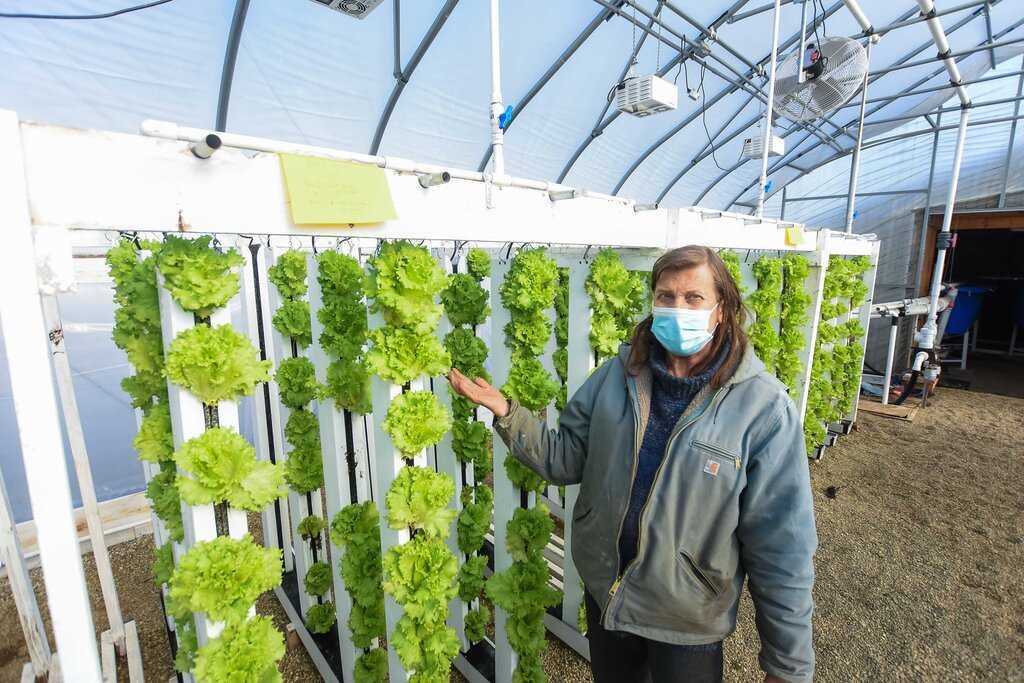
These systems can be set up almost anywhere, from a small corner of a classroom to a large commercial greenhouse. This flexibility makes it possible to grow fresh, local food year-round, regardless of the climate outside. For schools, aquaponics offers a hands-on way to learn about biology, chemistry, and sustainability all at once.
Hands-on learning activities in aquaponics provide an innovative and captivating way to introduce kids to the wonders of ecosystems, sustainability, and food production.
Many schools have already discovered the benefits of having their own systems. Students get to see a miniature ecosystem in action, learning firsthand about the connections between living things and their environment. It’s a living lesson in how we can work with nature to create a more sustainable future.
What is the primary role of beneficial bacteria in an aquaponics system?
Aquaponics is a combination of which two practices?
Aquaponics provides a tangible example of a balanced ecosystem, showing how waste can become a valuable resource in a closed-loop system.