Scheduling an FBI Appointment
Introduction to the FBI
Mission and Core Functions
The Federal Bureau of Investigation (FBI) is the main domestic intelligence and security service of the United States. Its primary mission is to protect the American people and uphold the U.S. Constitution. Think of it as the nation's lead federal law enforcement agency.
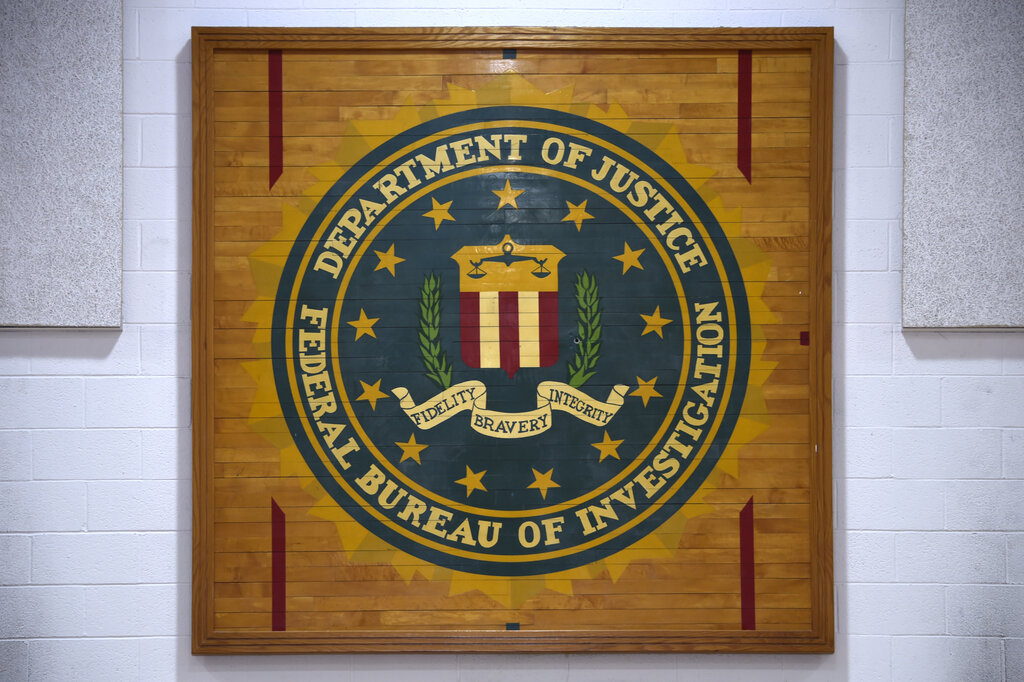
Founded in 1908, the FBI has evolved significantly. Today, its responsibilities are vast and critical to national security. The Bureau's top priorities include protecting the U.S. from terrorist attacks, foreign intelligence operations, and cyber-based attacks. It also combats public corruption, civil rights violations, and major white-collar and violent crime.
Essentially, if a federal crime crosses state lines or has national security implications, the FBI is likely involved.
How the FBI is Organized
The FBI is a component of the U.S. Department of Justice and is led by a Director, who is appointed by the President and confirmed by the Senate. Its headquarters is the J. Edgar Hoover Building in Washington, D.C., but its reach is global.

The Bureau's structure allows it to address threats both nationally and locally. It operates 56 main field offices in major U.S. cities, along with hundreds of smaller satellite offices, known as resident agencies. It also maintains a network of legal attachés, or "legats," in over 60 embassies and consulates around the world.
Internally, the FBI is organized into several branches that focus on specific areas. For example, the National Security Branch handles counterterrorism and counterintelligence, while the Criminal, Cyber, Response, and Services Branch addresses everything from violent crime to cyber threats.
Services for the Public
While much of the FBI's work happens behind the scenes, it offers several direct services to the public. These programs are designed to enhance safety, provide information, and help citizens participate in crime prevention.
One of the most well-known public-facing services is the FBI's Ten Most Wanted Fugitives list, which enlists public help to locate dangerous criminals.
The FBI also manages the National Instant Criminal Background Check System (NICS). When someone tries to buy a firearm from a licensed dealer, the dealer contacts NICS to ensure the potential buyer is not prohibited from owning a gun.
For individuals needing a personal background check for employment, adoption, or international travel, the FBI provides Identity History Summary Checks, often called a "rap sheet." This involves submitting your fingerprints to receive a record of any arrests and dispositions.
In the digital age, the FBI's Internet Crime Complaint Center (IC3) has become a crucial resource. It serves as a central hub for reporting cybercrimes like online fraud, phishing scams, and identity theft. The IC3 collects and analyzes these reports to identify emerging threats and refer cases to law enforcement.
What is the primary mission of the FBI?
How is the Director of the FBI put into office?
This overview provides a foundational understanding of the FBI's role, structure, and public-facing functions.