Scented Candle Making
Candle Making Basics
The Core Ingredients
Every candle starts with wax. The type you choose affects everything from how long your candle burns to how it smells. There are several popular options, each with its own personality.
| Wax Type | Source | Key Characteristics |
|---|---|---|
| Paraffin | Petroleum | Traditional, inexpensive, excellent scent throw. |
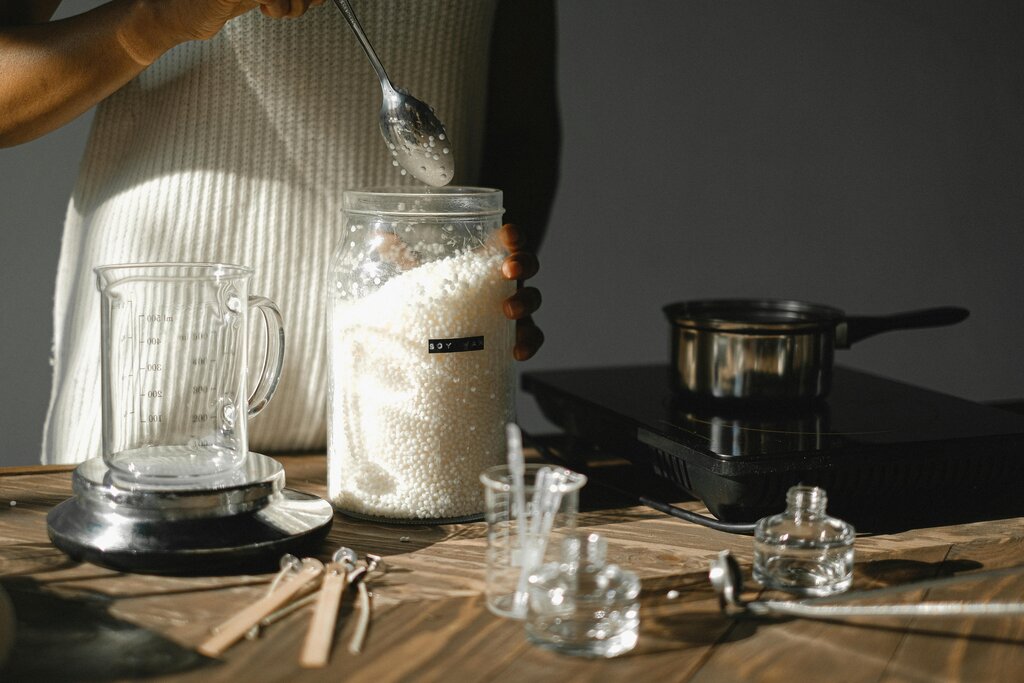
| Soy | Soybeans | Natural, renewable, burns cleanly, holds scent well. |
| Beeswax | Honeycomb | Natural, burns slowly with a subtle honey scent. |
| Coconut | Coconuts | Natural, burns very slowly and cleanly, great scent throw. |
Paraffin wax is a classic and widely used option, known for its ability to hold strong colors and scents. Soy wax is a popular natural alternative that burns slower and cleaner. Many candle makers today use blends, like a mix of soy and coconut wax, to get the best properties of each.
Wicks, Scents, and Colors
The wick is the heart of the candle. It draws melted wax up to the flame to be burned. Wicks come in different materials, like cotton or wood, and many sizes. Picking the right size is crucial; a wick that's too small will create a tunnel in the wax, while one that's too large will produce a dangerously big flame and soot.
A good rule of thumb is to match your wick diameter to the diameter of your candle container. Always check the wick manufacturer's recommendations for the type of wax you're using.
Next comes the scent. You can use fragrance oils or essential oils to give your candle its aroma. Fragrance oils are synthetically created and offer a huge variety of consistent, strong scents. Essential oils are extracted directly from plants and provide a more natural, subtle scent that can have therapeutic qualities.
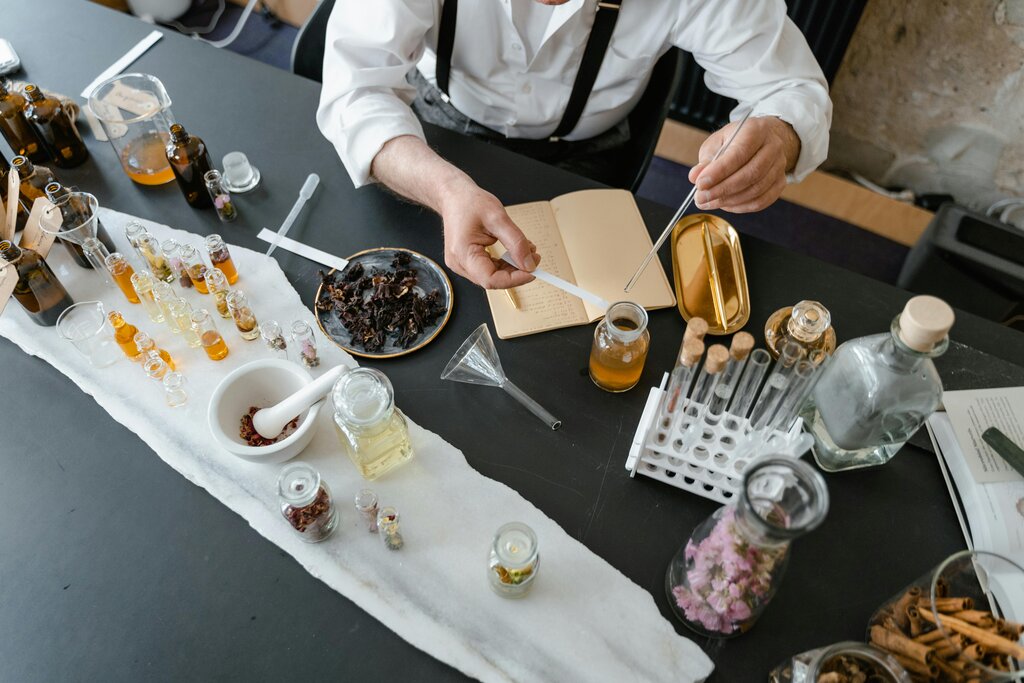
To add color, you have two main choices: dyes or pigments. Dyes are the most common and dissolve completely into the wax, creating a uniform, translucent color. Pigments are small particles that remain suspended in the wax, which can result in a more opaque or speckled look. Be careful with pigments, as they can clog the wick if you use too much.
Your Candlemaking Toolkit
You don’t need a lot of fancy equipment to get started, but a few items are essential for safety and success. First, you'll need a way to melt your wax gently.
Never melt wax directly on a stove burner. It's flammable and can easily overheat. Always use a double boiler or a dedicated pouring pot placed inside a larger pot of simmering water.
A thermometer is your most important tool for getting consistent results. The temperature at which you melt your wax and add your fragrance and color affects the final look and scent of your candle.
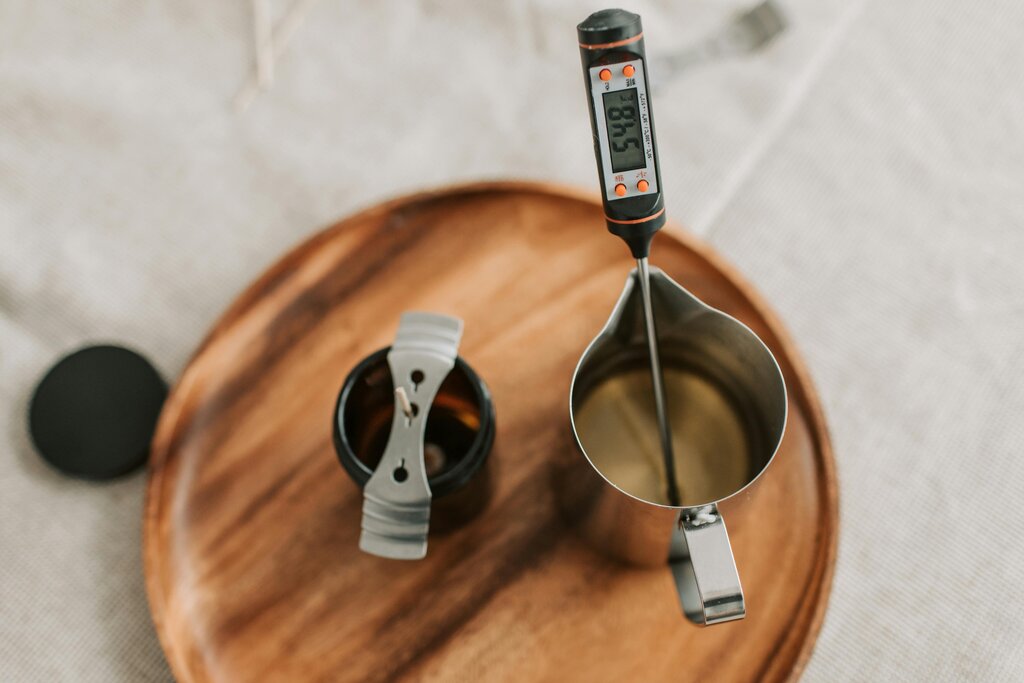
Of course, you’ll also need containers for your candles. Glass jars, tins, and ceramic pots are all great options. Just make sure they are heat-safe and don't have any cracks. To hold the wick in place while the wax sets, you can use a wick centering tool, or even just a clothespin or a couple of popsicle sticks laid across the top of the container.
Center the Wick: Use a wick holder or stick to keep the wick centered while pouring the wax.
Now let's review the key terms we've covered.
Ready to check your understanding?
Which type of wax is known for being a natural alternative that burns slower and cleaner than traditional options?
What is the likely outcome if the wick you choose for your candle is too small for the container?
With these basics down, you have the foundation for creating your own beautiful, fragrant candles. The key is to start simple and pay attention to details like wax type, wick size, and temperature.