Scalp Health and Hair Loss Fundamentals
Scalp Anatomy
Your Scalp's Protective Layers
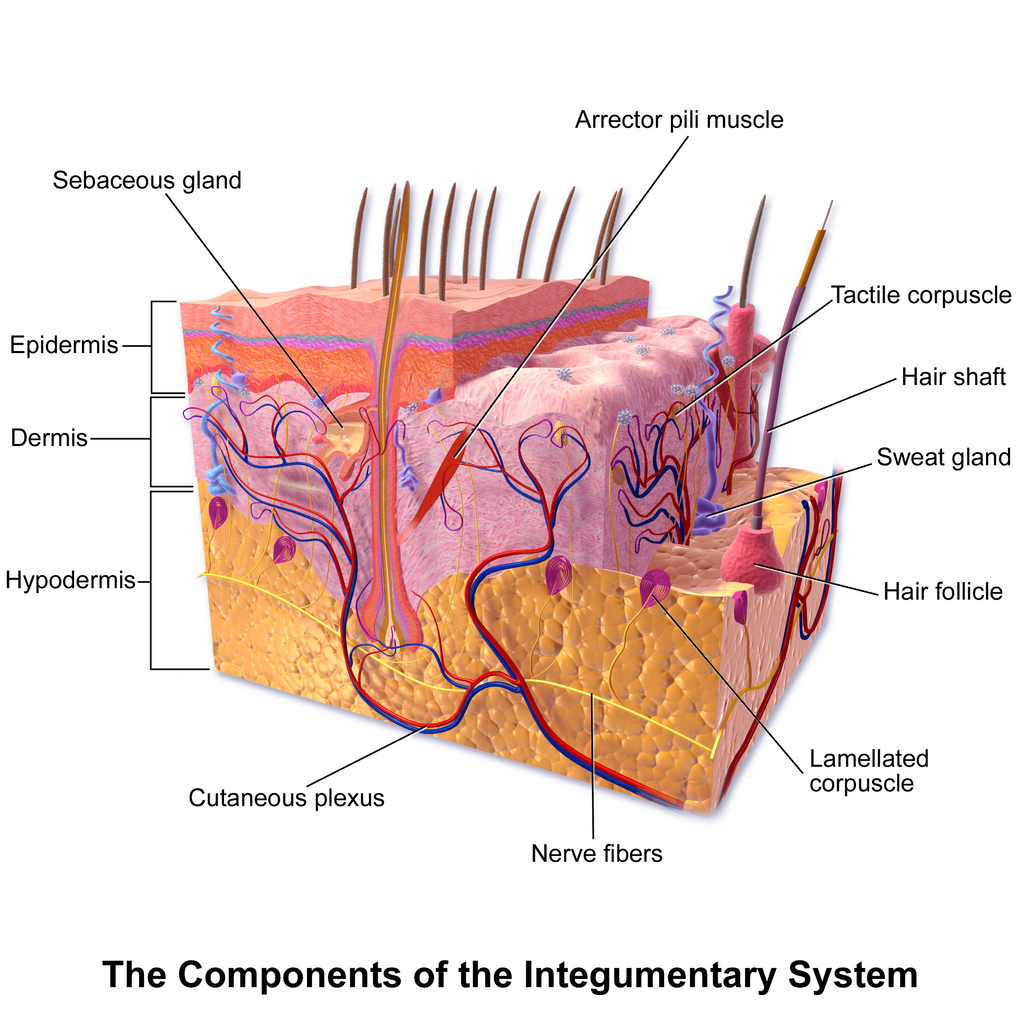
The scalp is more than just the skin on your head. It’s a complex, multi-layered foundation that supports healthy hair. Like the rest of your skin, it consists of two primary layers working together: the epidermis and the dermis.
The epidermis is the outermost layer, your first line of defense against the outside world. It's a tough, waterproof barrier that protects the delicate structures beneath from bacteria, pollutants, and physical damage. This layer is constantly renewing itself, shedding old cells to make way for new ones.
Beneath the epidermis lies the dermis, a thicker and more active layer. Think of it as the scalp's operational headquarters. It's a hub of connective tissue, blood vessels, nerves, and glands. Most importantly, it's where the hair follicles are anchored.
The Foundation for Hair
The dermis is packed with hair follicles, the tiny pockets from which each strand of hair grows. The average human scalp has around 100,000 follicles, though this number can vary significantly from person to person. The density of these follicles—how closely they're packed together—determines how thick your hair appears.
Attached to most of these follicles are tiny sebaceous glands. These glands have a crucial job: producing an oily, waxy substance called sebum.
Sebum acts as the body's natural hair conditioner. It moisturizes the hair and scalp, preventing them from becoming dry and brittle, and provides a protective coating.
This natural oil travels up the hair follicle to coat the hair shaft and the surface of the scalp. It helps maintain the skin's pH balance and forms a barrier that locks in moisture and keeps out microbes.
Power and Communication
Your scalp is incredibly active, and it needs a robust supply line to function. This is where its rich vascular network comes in. A dense web of arteries and veins runs through the dermis, delivering a constant supply of oxygen and essential nutrients directly to the hair follicles and surrounding tissues.
This blood flow is vital. Without adequate circulation, follicles can't get the building blocks they need to produce strong, healthy hair. Proper blood flow also helps carry away waste products, keeping the scalp environment clean and functional.
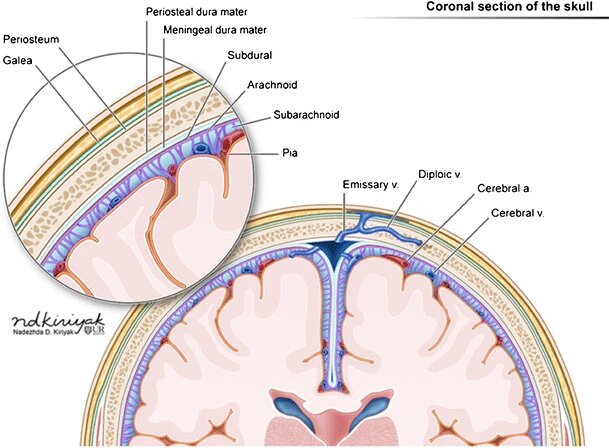
The scalp is also one of the most sensitive areas of your body, thanks to an extensive network of nerves. These nerves provide sensory information, allowing you to feel touch, pressure, temperature, and pain.
This sensitivity is a protective mechanism. It alerts you to potential harm, like an insect, a sharp object, or a sunburn. The tingling sensation you might feel when your hair is pulled is a direct result of these nerves responding to the movement of the hair follicle.
What is the primary function of the epidermis layer of the scalp?
Which layer of the scalp is described as the 'operational headquarters' containing hair follicles, blood vessels, and nerves?
Understanding these basic components of scalp anatomy is the first step toward appreciating how it supports the hair you see every day.