Scalp and Trichology Fundamentals
Scalp Anatomy
The Layers of Your Scalp
Your scalp is the foundation for healthy hair. It’s not just a simple patch of skin; it's a complex, multi-layered system that protects your skull and nurtures the hair follicles. To understand scalp health, we first need to look at its structure. We can break it down into three primary layers: the epidermis, the dermis, and the subcutaneous tissue.
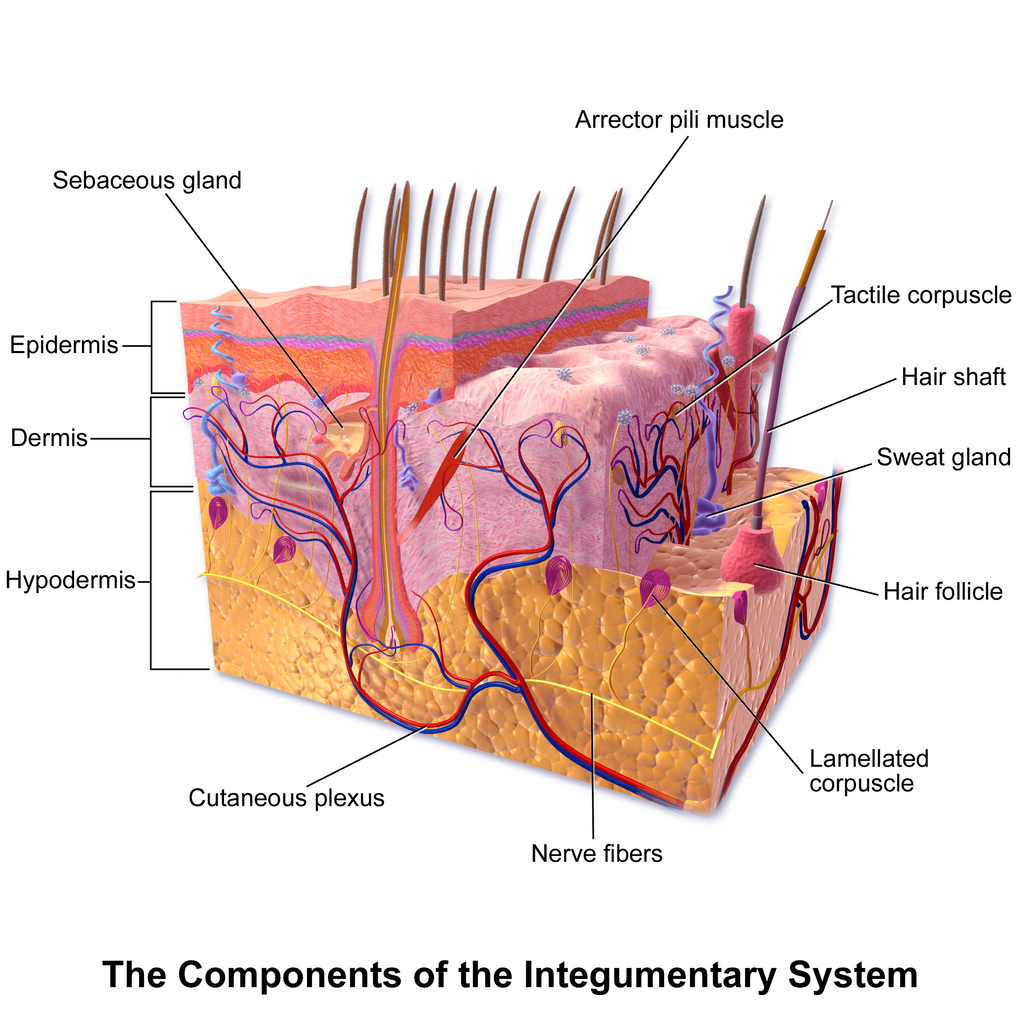
Each layer has a distinct job, and they all work together to keep everything running smoothly.
The Epidermis: The Outer Shield
The epidermis is the outermost layer of your scalp, the part you can touch. Its main role is to act as a protective barrier against the outside world. It keeps moisture in and harmful things like bacteria and UV radiation out.
This layer is constantly renewing itself. New skin cells are born at the bottom of the epidermis and gradually move up to the surface. By the time they reach the top, they are dead, flattened cells that eventually flake off. This continuous cycle of renewal helps repair minor damage and keeps the barrier strong.
The epidermis is your scalp's first line of defense, a waterproof shield that protects everything underneath.
The Dermis: The Living Engine
Beneath the epidermis lies the dermis, a much thicker and more complex layer. Think of it as the scalp's command center and support structure. It's packed with blood vessels, nerves, sweat glands, oil glands (sebaceous glands), and, crucially, the roots of your hair follicles.
This is where the action happens. The dermis provides the structural integrity and elasticity of the skin, thanks to proteins like collagen and elastin. It's also where you'll find the tiny muscles that can make your hair stand on end.
dermis
noun
The layer of skin beneath the epidermis that contains nerve endings, blood vessels, hair follicles, and glands. It provides strength and nourishment to the skin.
Subcutaneous Tissue and Circulation
The deepest of the three main layers is the subcutaneous tissue, also known as the hypodermis. It's primarily made of fat and connective tissue. This layer has two important jobs: it acts as a shock absorber, cushioning the skull from impacts, and it helps insulate your head, regulating temperature.
This fatty layer also houses the larger blood vessels and nerves that branch up into the dermis. The scalp has an incredibly rich blood supply, which is essential for delivering the oxygen and nutrients that hair follicles need to grow healthy hair. Good circulation is directly linked to scalp and hair health. These vessels are part of a complex network that ensures every part of the scalp is well-nourished.
The Dermal Papilla: A critical component for hair growth, this area connects the follicle to blood vessels and plays a role in the hair growth cycle.
This intricate system of layers and its robust blood supply work together, creating the ideal environment for hair to thrive.
Let's check your understanding of the scalp's anatomy.
Which layer of the scalp acts as the primary protective barrier against bacteria and UV radiation?
The dermis is considered the scalp's 'command center' because it contains all of the following EXCEPT:
Understanding these layers is the first step in learning how to care for your scalp and, by extension, your hair.