Scaling Success in Digital Health and Wellness Apps
Health App Compliance
Regulatory Foundations for Health Tech
When you build a health or wellness app, you're not just creating software. You're handling some of the most sensitive information a person has. Navigating the regulatory landscape isn't just a legal chore; it's a core part of your product's design and a prerequisite for user trust. Two major frameworks govern this space: HIPAA in the United States and GDPR in the European Union.
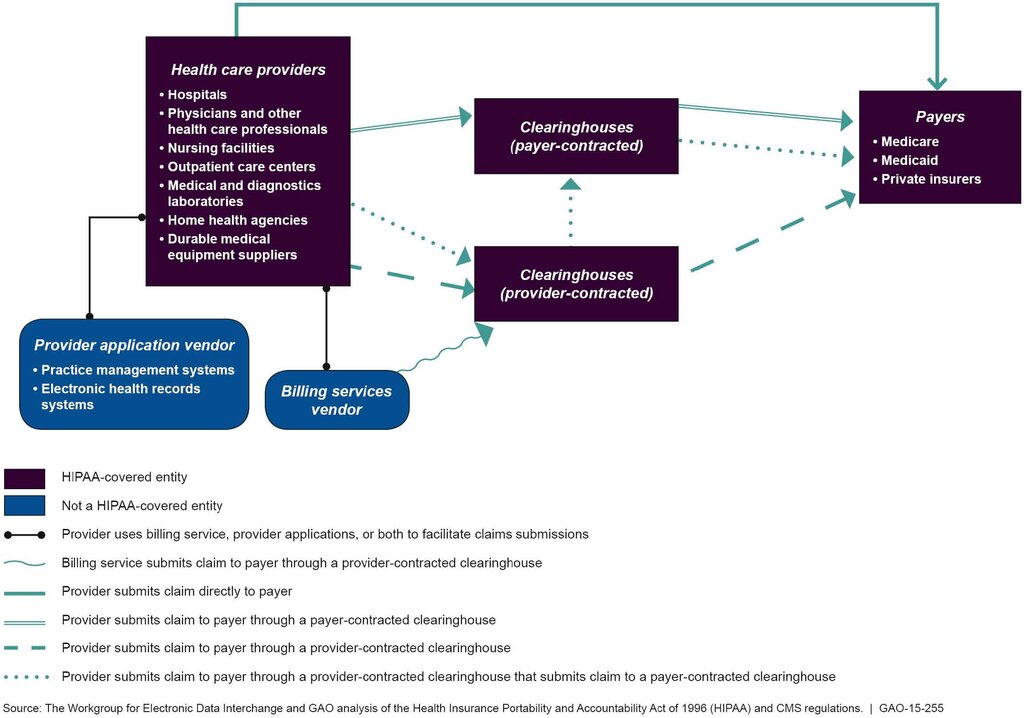
In the U.S., the Health Insurance Portability and Accountability Act (HIPAA), particularly its Security Rule, sets the standard for protecting electronic personal health information (ePHI). This isn't just about having a privacy policy. It demands concrete safeguards to control who can access data and how it's protected from threats. While many wellness apps may not be 'covered entities' under HIPAA, operating as if you are is the gold standard for building user trust and can protect you from other data privacy laws.
Healthcare is a heavily regulated industry, with laws such as HIPAA (Health Insurance Portability and Accountability Act) in the U.S. or GDPR (General Data Protection Regulation) in Europe.
Across the Atlantic, the General Data Protection Regulation (GDPR) treats health data as a 'special category' of personal data, which means it requires explicit consent and has much stricter processing rules. If your app is available to users in the EU, GDPR applies to you, regardless of where your company is based. The penalties for non-compliance are severe, making it essential to understand its principles from day one.
Building Privacy by Design
The best way to approach compliance is with a 'Privacy by Design' mindset. This means integrating data protection into your app's architecture from the very beginning, not bolting it on as an afterthought. Two key strategies here are data minimization and robust consent management.
Data minimization is the principle of collecting only the data that is strictly necessary to provide a service. If you don't need to know a user's exact date of birth for your calorie tracker to function, ask for their age range instead. Less data collected means less risk in the event of a breach.
Consent management is how you handle user permissions. This can't be a single checkbox buried in your terms of service. For GDPR compliance, consent must be granular. Users should be able to opt in or out of specific data uses, such as sharing data with third-party researchers or using it for marketing. Your app needs a clear, accessible interface for managing these preferences at any time.
Data Security and Liability
Protecting data isn't just about who can see it; it's about making sure it's secure from unauthorized access. The HIPAA Security Rule is prescriptive about this, breaking safeguards into three categories.
| Safeguard Type | Description | Example Implementation |
|---|---|---|
| Administrative | Policies and procedures to manage security measures. | Conducting regular risk assessments and providing security training for all employees. |
| Physical | Physical protection of electronic systems and data. | Securing servers in a locked room with restricted access. |
| Technical | The technology used to protect and control access to ePHI. | Using end-to-end encryption for data in transit and at rest. |
Encryption is non-negotiable. All health data, whether it's stored on your servers ('at rest') or being sent between the app and the server ('in transit'), must be encrypted. This is a fundamental technical requirement under both HIPAA and GDPR.
Finally, consider your liability. Health and wellness apps often give suggestions or guidance. It's vital to have clear disclaimers that your app does not provide medical advice and that users should consult with a healthcare professional. Building a compliant, trustworthy health app is a complex process, but by prioritizing privacy and security from the start, you create a foundation for a successful and ethical product.
Time to check your understanding of these critical compliance topics.
A health app company is based in the United States but has users in Germany. Which data protection regulation(s) must it comply with for its German users?
Under GDPR, health data is considered a 'special category' of personal data. What does this primarily require from app developers?