Scaling Premium Floriculture in Romania
Fiscal Optimization and CAP
Navigating the New Fiscal Landscape
The fiscal environment for Romanian floriculture is undergoing a significant transformation. Ordonanța de Urgență (OUG) 156/2024 has recalibrated the micro-enterprise taxation regime, creating a critical inflection point for businesses scaling their operations. As of 1 January 2025, the revenue ceiling for micro-enterprise status is reduced to €250,000. A further reduction to €100,000 is anticipated for 2026.
Enterprises exceeding this threshold will transition from the 1% or 3% tax on revenue to the standard 16% corporate profit tax. This shift fundamentally alters tax planning, moving the focus from top-line revenue management to meticulous optimisation of deductible expenses. The simultaneous removal of previous income tax exemptions for the agri-food sector amplifies the fiscal pressure, rendering cost structure analysis more critical than ever.
| Metric | Micro-enterprise (1%) | Profit Tax (16%) |
|---|---|---|
| Applicable Base | Total Revenue | Gross Profit (Revenue - Deductible Expenses) |
| Tax Rate | 1% | 16% |
| Scenario: €300k Revenue, 25% Profit Margin | Tax: €3,000 | Profit: €75,000 Tax: €12,000 |
| Scenario: €300k Revenue, 5% Profit Margin | Tax: €3,000 | Profit: €15,000 Tax: €2,400 |
The arbitrage between the two systems is now a function of profitability. For high-margin floriculture operations, the transition to the 16% profit tax represents a substantial increase in the effective tax rate. Conversely, businesses with lower margins but high revenue might find the profit tax system more favourable, assuming diligent expense tracking and maximisation of deductions.
Capital Distribution and Compliance
Alongside the corporate tax changes, the dividend tax has been increased to 10%. This necessitates a strategic review of profit distribution policies. For businesses with accumulated profits, scheduling interim dividend distributions before the fiscal year-end can be an effective cash management strategy. This allows shareholders to access liquidity while planning for the upcoming tax liability under the new rate.
Digitalisation of fiscal reporting is now non-negotiable. The mandatory implementation of the RO e-Factura system for all B2B transactions requires seamless integration with existing ERP and accounting software. For larger agricultural enterprises, this is compounded by the requirement to file the Standard Audit File for Tax (SAF-T), known locally as Declarația 406 (D406). This provides tax authorities with granular, transactional-level data, demanding a high degree of accuracy and consistency in financial records.
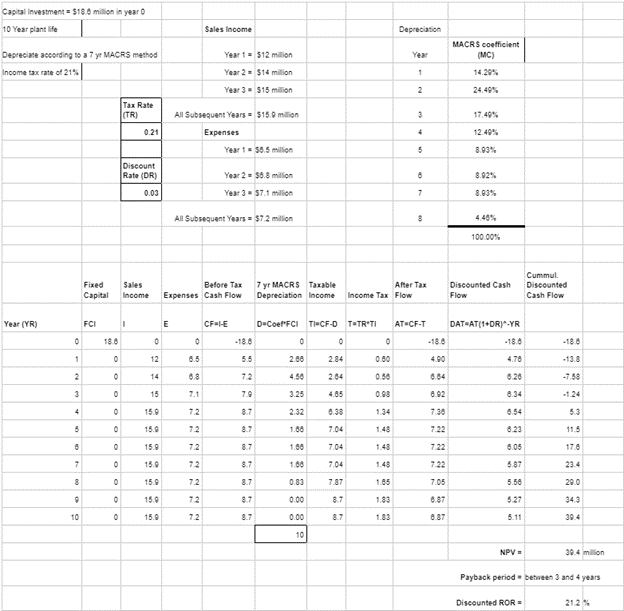
Finally, the increase of the minimum gross salary in the agri-food sector to RON 4,050 directly impacts the cost base. This adjustment must be factored into financial projections, pricing strategies, and profitability analyses, particularly for labour-intensive greenhouse operations.
CAP Strategic Funding
While the fiscal environment tightens, significant opportunities exist within the CAP Strategic Plan 2023-2027. Pillar II interventions, managed by the Agency for the Financing of Rural Investments (AFIR), are particularly relevant for floriculture enterprises aiming to invest in technology and infrastructure.
Two key interventions stand out:
DR-15 - Investments in Agricultural Holdings: This intervention supports modernisation and efficiency improvements at the farm level.
DR-22 - Investments in Conditioning, Storage, and Processing: This is targeted at post-harvest infrastructure, enhancing product value and market access.
Under these schemes, businesses can secure non-reimbursable funding of up to €2 million for projects involving high-tech greenhouse construction, automated irrigation systems, climate control technology, and post-harvest facilities. The funding intensity can reach up to 65% of eligible costs.
Special provisions are available for young farmers (under 45 years of age), who often benefit from a higher funding intensity, providing a significant advantage for the next generation of agricultural entrepreneurs. A meticulously prepared business plan and a clear understanding of the AFIR evaluation criteria are paramount for a successful funding application.
Effective 1 January 2025, what is the new revenue ceiling for a Romanian floriculture business to maintain its micro-enterprise tax status under OUG 156/2024?
For which type of floriculture business might the transition from the micro-enterprise tax to the 16% corporate profit tax be fiscally advantageous?
The confluence of these fiscal and funding changes demands a proactive and strategic approach. Floriculture businesses that successfully navigate this new terrain will be those that pair operational excellence with sophisticated financial management.