Scaling Excellence in Title and Escrow Operations
Optimizing Digital Operations
Moving Beyond Legacy Systems
For years, the title and escrow industry ran on desktop service provider (DSO) software. These systems were workhorses, but they often created data silos. Information was locked on local servers, making real-time collaboration with lenders, agents, and clients difficult. Manual data entry was the norm, leading to redundant work and a higher chance of errors.
The industry is now shifting to modern, cloud-based platforms. Systems like Qualia, SoftPro, and ResWare act as a central hub for the entire closing process. They integrate communication, document management, and accounting into a single workflow. This transition isn't just about new software; it's about creating a foundation for speed and reliability. With everyone working from the same data set, the entire process becomes more transparent and efficient.
Having a single source of truth eliminates the endless back-and-forth emails and phone calls to confirm statuses or track down documents. It sets the stage for meaningful automation.
Automating the Core Workflow
The key to a faster closing is automating the small, repetitive tasks that consume hours each day. Think about opening a new file. Instead of manually typing in buyer, seller, and property details from a contract, an integrated system can parse the document and populate the fields automatically.
Payoff requests are another classic time-sink. The traditional process involves faxes, phone calls, and waiting. Modern platforms use API integrations to connect directly with lenders. Your system can send a digital request, receive the payoff statement electronically, and flag it for review without a person needing to follow up. The same principle applies to managing vendors. Scheduling a mobile notary or submitting documents for e-recording can be done directly from your workflow software, reducing turnaround times from days to minutes.
Replace paperwork and manual processes with automated workflows, real-time notifications, and stakeholder task assignments that help you guide LPs to a faster close.
This level of automation relies on what are often called 'Smart Actions'—configurable rules that trigger tasks based on specific events. For example, when a title commitment is generated, a Smart Action can automatically email it to the lender and real estate agents. When a document is e-signed, another action can notify your team that it's ready for the next step. Each automated action removes a potential delay.
Mapping and Solving Bottlenecks
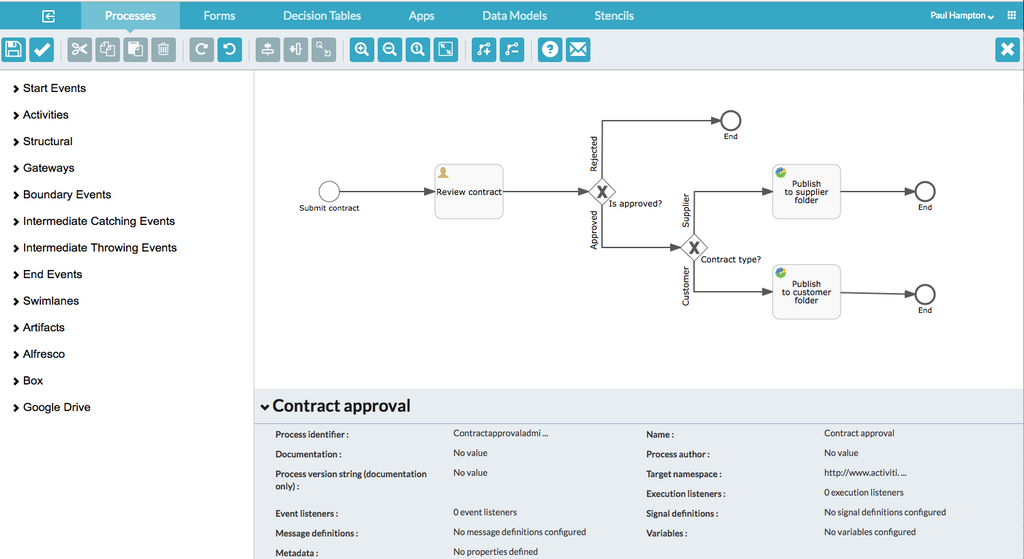
To effectively automate, you first need to understand your current process in detail. Process mapping is the exercise of visualizing every single step in your closing workflow, from opening the order to disbursing funds. The goal is to identify bottlenecks—the specific stages where work piles up and delays occur.
Once you've mapped your process, you can see exactly where the friction is. Is your team spending too much time chasing down homeowner's association documents? Is there a consistent delay in getting clearance from the tax department? These are the areas ripe for automation.
For instance, if waiting for HOA letters is a common bottleneck, you can integrate with a vendor that specializes in retrieving them. A task in your system could automatically place the order, and the completed documents would flow back into your file without manual intervention. This targeted approach ensures you're applying technology where it will have the greatest impact.
More advanced systems are now incorporating automated document routing. Using AI, the software can recognize incoming documents—like a payoff statement or a signed disclosure—and automatically file them in the correct digital folder and update the file's status. This eliminates the manual work of downloading, renaming, and uploading attachments, further reducing the chance of human error and saving valuable time.
By 2025, market leadership won't just be about customer service; it will be defined by speed and reliability. Leveraging smart actions, API integrations, and eventually, more advanced AI, is how you meet that standard.
What was a primary limitation of traditional Desktop Service Provider (DSO) software in the title and escrow industry?
According to the text, what is the main purpose of process mapping in a title agency?
Ultimately, optimizing your digital operations is about removing friction from the closing process. By transitioning to modern platforms and strategically automating tasks, you free up your team to focus on complex problem-solving and delivering a better client experience.