Scaling Biologic Exosome Marketing
Introduction to Biologic Exosomes
What Are Exosomes?
Cells, like people, need to communicate. They send signals to coordinate activities, respond to changes, and maintain the body's overall health. One of the most fascinating ways they do this is by sending tiny packages called exosomes.
Exosomes are small vesicles—essentially tiny bubbles—released by cells that transport molecules like proteins, lipids, and RNA to other cells.
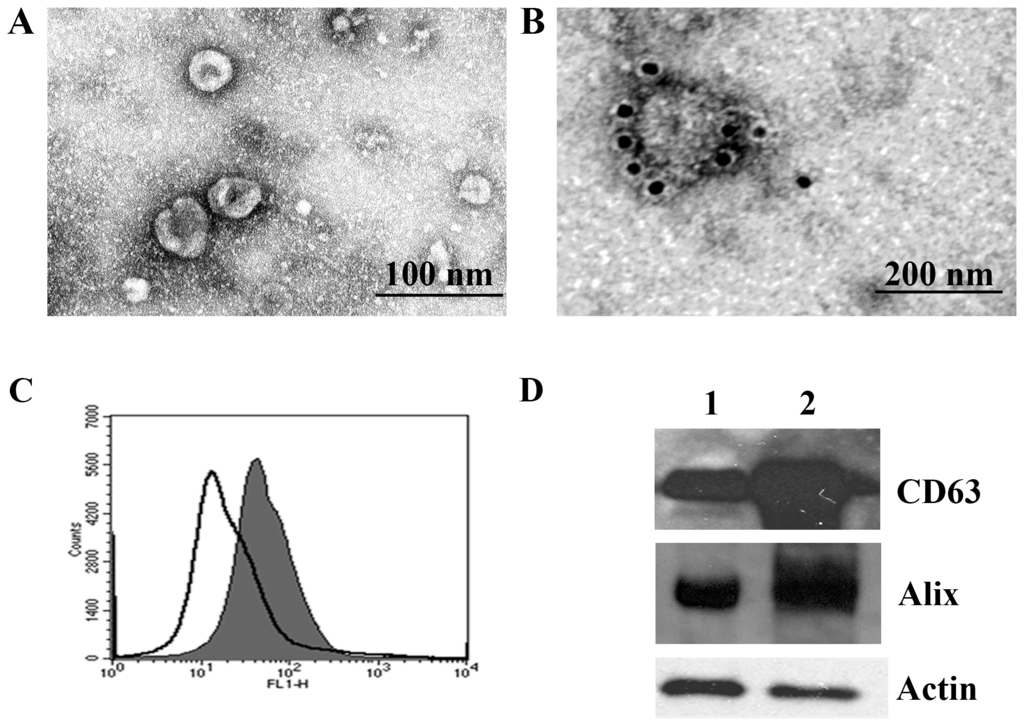
Think of them as microscopic mail carriers. Each exosome is wrapped in a lipid bilayer, the same kind of membrane that encloses the cell itself. Tucked inside this protective layer is a specific cargo of instructions and materials intended for a recipient cell. Their size is incredibly small, typically ranging from 30 to 150 nanometers in diameter, far too small to be seen with a standard microscope.
How Cells Send Messages
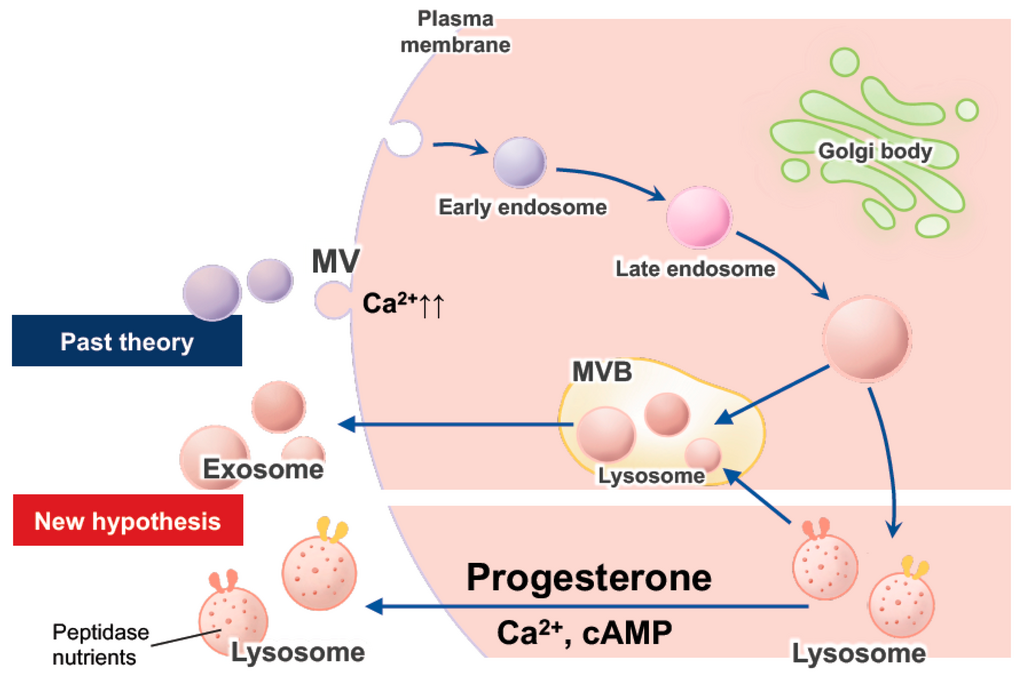
The creation and sending of an exosome is a deliberate, multi-step process. It starts inside the cell within a compartment called an endosome. As the endosome matures, its own membrane buds inward, forming smaller vesicles that get trapped inside. This structure, now filled with tiny vesicles, is called a multivesicular body (MVB).
Instead of being broken down, the MVB can travel to the cell's outer edge and fuse with the plasma membrane. When this happens, it releases its internal vesicles into the space outside the cell. These newly freed vesicles are now exosomes, ready to travel to their destination.
Once released, exosomes can travel through bodily fluids like blood, saliva, and urine. When an exosome reaches its target cell, it can fuse with the cell's membrane, delivering its cargo directly into the cell's interior. This cargo can then alter the recipient cell's behavior. For instance, an exosome carrying specific microRNAs could switch certain genes off, while one carrying a particular protein could trigger a new cellular process. This precise delivery system allows for complex communication across different parts of the body.
Tiny Shuttles with Big Potential
Because exosomes are natural transporters, scientists are incredibly excited about their therapeutic potential. They represent a natural, biocompatible way to deliver treatments directly to where they are needed.
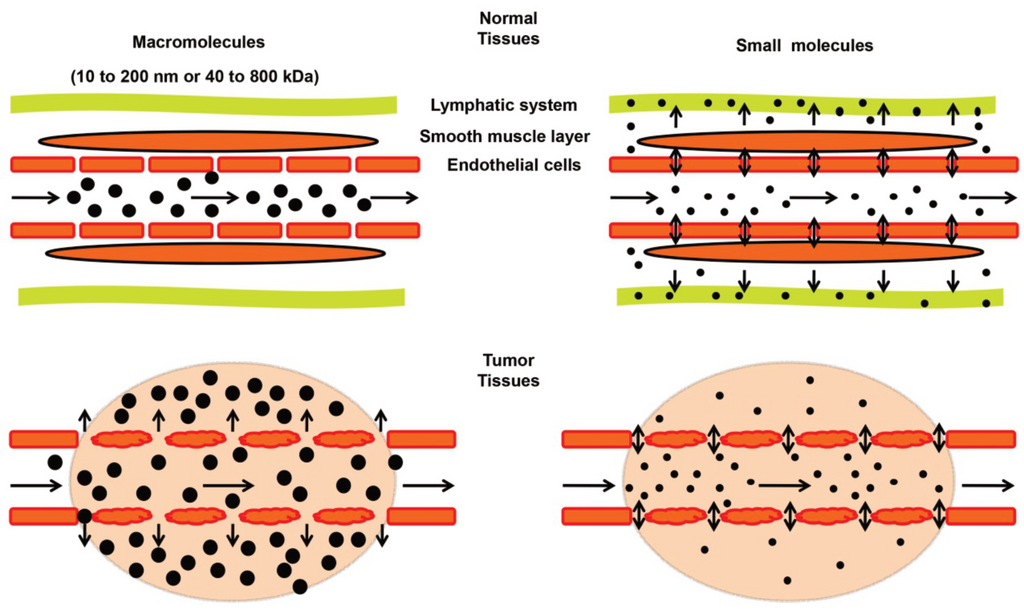
One of the most promising areas of research is using exosomes for drug delivery. Scientists can engineer cells to produce exosomes loaded with a specific therapeutic cargo, such as a cancer-fighting drug or a piece of genetic material like mRNA. These loaded exosomes could then be administered to a patient, where they would travel to target cells—like tumor cells—and deliver their payload. This targeted approach could make treatments more effective while minimizing side effects on healthy tissues.
Exosomes are also being explored in regenerative medicine. Stem cells are known to release exosomes that encourage tissue repair and reduce inflammation. Researchers are investigating whether administering these specific exosomes could help heal damaged tissues, such as in heart disease or spinal cord injuries, without needing to transplant whole cells.
Furthermore, because exosomes circulate in our bodies and carry molecular information from their cell of origin, they are valuable for diagnostics. By analyzing the contents of exosomes found in a blood sample, doctors might one day be able to detect diseases like cancer at a very early stage. This concept, known as a "liquid biopsy," could revolutionize how we screen for and monitor various conditions.
Now, let's test your understanding of these cellular messengers.
What is the name of the structure that fuses with the cell's outer membrane to release exosomes?
Exosomes are typically between 30 and 150 nanometers in diameter, making them visible with a standard light microscope.
Exosomes are at the forefront of biological research. Their role as natural communicators and transporters opens up exciting possibilities for new therapies and diagnostic tools, promising a future where medicine works in greater harmony with the body's own systems.