Scala Spark Jobs in Synapse Notebooks
Introduction to Distributed Data Processing
The Power of Many
Imagine you have a single, massive dictionary and your job is to find the definition of every word that starts with the letter 'Q'. Working alone, you'd start at the beginning of the Q section and read through each entry, one by one. It would take a while.
Now, imagine you have 25 friends. You could tear out the 'Q' section, give one page to each friend, and have everyone search their page simultaneously. The job would get done in a fraction of the time. This is the core idea behind distributed data processing.
Distributed Data Processing
noun
The method of splitting a large data processing task into smaller pieces and running those pieces on multiple computers connected over a network.
In our modern world, we generate enormous amounts of data every second. A single computer, no matter how powerful, eventually hits a wall. It can't store all the data or process it fast enough. Distributed systems solve this by creating a team of computers that work together as a single, powerful unit.
Why Go Distributed?
The most obvious advantage is speed, which comes from parallel processing. Instead of handling tasks sequentially (one after another), a distributed system handles them in parallel (all at the same time). It's the difference between a single cashier at a supermarket and twenty cashiers all serving customers at once.
Another key benefit is scalability. If your data load doubles, you don't need to buy a new supercomputer. You can simply add more standard, less expensive computers to your network. This makes it much more flexible and cost-effective to grow.
Finally, distributed systems are built for resilience. This is known as fault tolerance.
Fault tolerance is the ability of a system to continue operating even if some of its components fail. If one computer in the network crashes, the system doesn't grind to a halt. The work is simply shifted to other healthy computers.
The Core Challenges
Spreading work across many machines sounds great, but it introduces some unique and tricky problems that engineers have to solve.
Data Distribution: First, you have to decide how to break up the data and the task. Do you give each computer a random chunk of data? Or do you group related data together on the same machine? Smart distribution is crucial for efficiency. A bad split can lead to some machines being overworked while others sit idle.
Consistency: When data is stored in multiple places, you have to ensure it's consistent. Imagine two people updating a shared spreadsheet at the exact same time. One person changes a cell to "Yes," while the other changes it to "No." Which one is correct? Distributed systems need strict rules to prevent these conflicts and ensure that everyone sees the same, correct version of the data.
Fault Tolerance: While a major benefit, achieving fault tolerance is complex. The system needs to constantly monitor the health of all its computers. When one fails, it must detect the failure, reassign that computer's task to another machine, and make sure no data was lost in the crash. This happens automatically, without any human intervention.
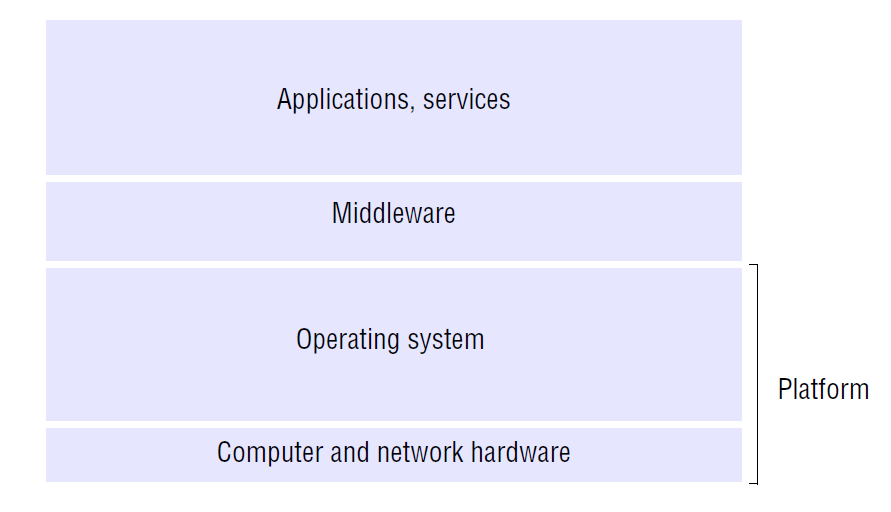
A common way to organize these systems is with a central coordinator. This is often called a master-worker architecture. One computer, the "master," is responsible for breaking up the task, distributing it to the other "worker" computers, and gathering the results. The master doesn't do the heavy lifting itself; it acts as a project manager, ensuring the workers are all doing their part correctly and efficiently.
What is the primary advantage of the parallel processing used in distributed systems?
If a company's data processing needs double, how would a scalable distributed system typically handle the new load?
Understanding these basic ideas of splitting up work, managing challenges, and organizing the system is the first step to mastering the powerful tools that handle the world's biggest data.