SBI Financials Technology and Products
SBI's Financial Decision-Making
The Bank's Blueprint
For a bank the size of the State Bank of India (SBI), managing money is a monumental task. It's not just about taking deposits and making loans. It involves a complex, continuous process of planning, investing, and protecting its resources to ensure stability and growth. This entire system is known as financial resource management.
Think of it like planning a cross-country road trip. You start with a budget for gas, food, and lodging. You choose your route based on efficiency and sights you want to see, which is your investment strategy. And you check the weather and car's engine, which is your risk assessment. SBI does this every day, but with billions of dollars and for the entire Indian economy.
Budgeting and Allocation
The foundation of SBI's financial management is its budgeting process. This isn't just about controlling costs. It's about allocating capital to the areas that will generate the most value while supporting the bank's long-term goals. For example, the budget determines how much money is available for new business loans versus upgrading technology or opening new branches.
Effective budgeting aligns every dollar spent with a strategic objective, ensuring resources are not just used, but invested wisely.
This involves a detailed review of past performance and future economic forecasts. Departments submit their needs, which are then weighed against the bank's overall strategic priorities. The final budget is a detailed roadmap that guides spending for the entire fiscal year, with mechanisms for review and adjustment if conditions change.
Investment and Risk
Once the budget is set, SBI must decide how to use its funds to make more money. This is where its investment strategy comes in. A bank's investments are not just in stocks and bonds. Its primary investments are the loans it makes to individuals and businesses. The goal is to build a diversified portfolio that balances risk and return.
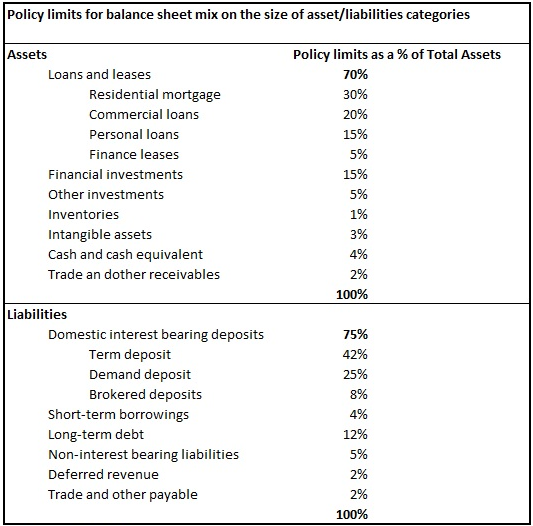
Hand-in-hand with investment is risk assessment. Every loan and investment carries some level of risk. SBI employs sophisticated methodologies to identify, measure, and mitigate these risks. The main types include:
- Credit Risk: The risk that a borrower will default on a loan.
- Market Risk: The risk of losses from changes in market prices, such as interest rates or currency exchange rates.
- Operational Risk: The risk of loss from failed internal processes, people, and systems or from external events.
- Liquidity Risk: The risk that the bank won't be able to meet its short-term financial obligations.
SBI uses a combination of statistical models, stress testing, and expert judgment to manage these risks. Stress testing, for example, simulates how the bank's portfolio would perform under severe economic crises. This framework of budgeting, investing, and risk management allows SBI to navigate the complexities of the financial world, ensuring its stability and continued service to millions.
What is the primary purpose of financial resource management at a large bank like the State Bank of India (SBI)?
At SBI, the bank's investment strategy is mainly focused on trading stocks and bonds.